

Kia EV3: The Phantom Range and Hidden Flaws Nobody Tells You About 👻🔋
Originally published by Criteria Motor. A comprehensive and structured analysis for in-depth reading.
This Kia EV3 promises up to 600 kilometers of range. An astonishing figure on paper, but one that conceals an uncomfortable truth on the road. If you’re about to sign a contract, pause your pen, because what the brand isn’t telling you could change everything.
The Unfulfilled Promise: Range and Reality Behind the Wheel
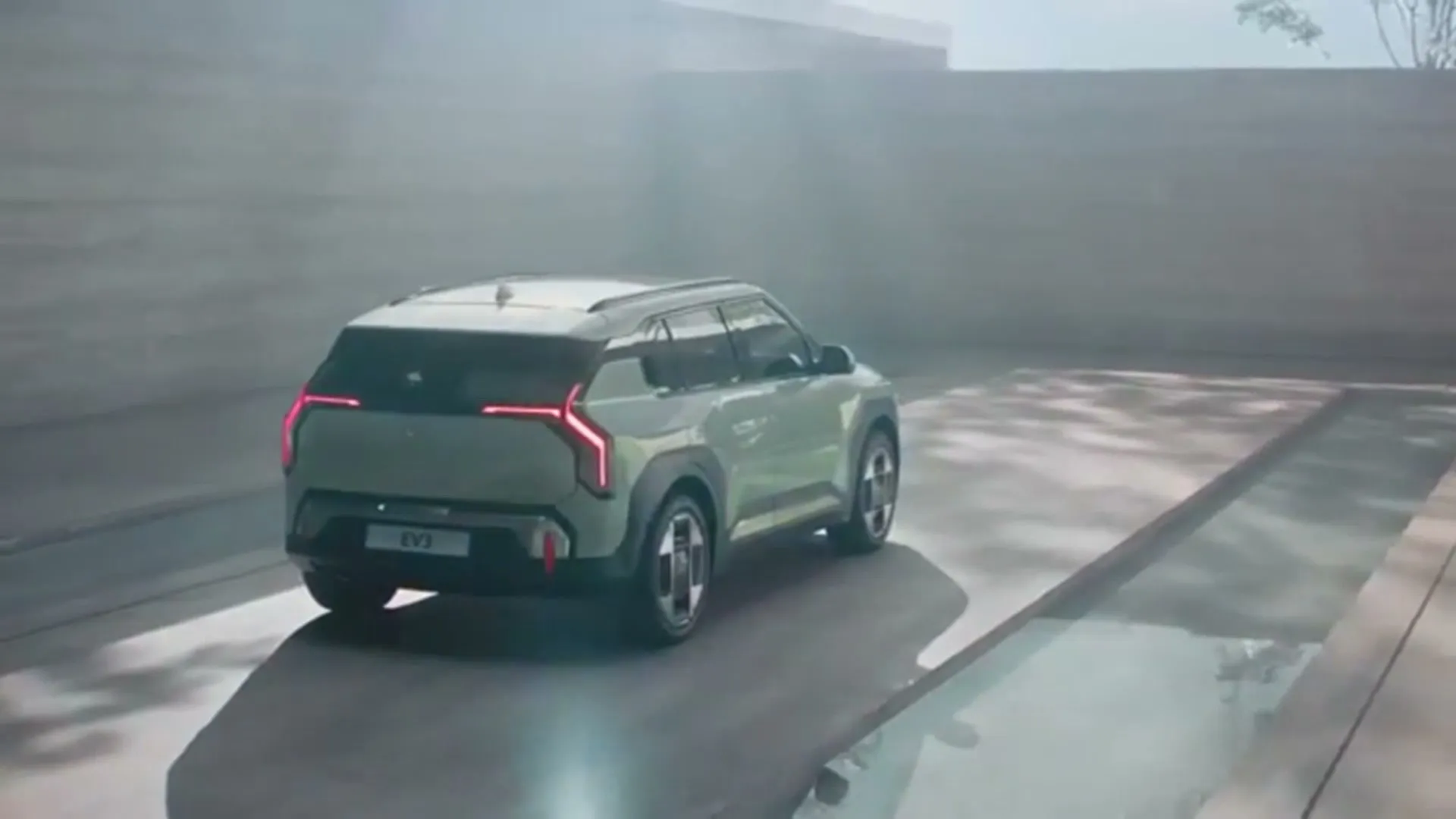 Figure 1: Visual detail and technical analysis corresponding to The Unfulfilled Promise: Range and Reality Behind the Wheel.
WLTP cycle figures are a fairy tale for many electric vehicles, and the Kia EV3 is no exception. Its declared 600 kilometers for the extended-range version, with the 81.4 kWh battery, are a mirage under real highway conditions, where consumption skyrockets and aerodynamic efficiency is mercilessly put to the test.
On a constant speed journey at 120 kilometers per hour, the EV3’s real-world range drops drastically. Independent tests reveal that it barely exceeds 380 to 400 kilometers, a fall of over 30% compared to the homologation. This means long trips require much more meticulous charging planning than marketing suggests.
This discrepancy is not just an inconvenience; it’s a critical factor for the user experience. Range anxiety becomes a tangible reality when the navigation system recalculates routes with unexpected stops, extending travel times and eroding confidence in the vehicle.
Part of this inefficiency is attributed to aerodynamics that, while modern, are not as refined as in direct competitors with lower profiles or superior drag coefficients. At high speeds, every point of Cd (drag coefficient) counts, and the EV3’s more SUV-like design takes its toll.
The E-GMP Lite platform, though versatile, doesn’t always optimize battery space for the highest possible energy density in this segment, impacting weight and thermal management. This translates into a need for more energy to move the vehicle, especially when power is demanded.
The energy management of auxiliary systems also plays a role. From climate control to infotainment systems, every watt consumed subtracts from the range. And while Kia has made efforts, there is still room to optimize consumption in extreme weather conditions.
The fast-charging speed, while acceptable (up to 128 kW), is not class-leading. This means recovering those lost kilometers on a long trip takes longer than desired, adding frustration to the real-world range experience. But what happens when the road becomes winding and the asphalt demands more than just efficiency?
Driving Dynamics: Beyond the Numbers
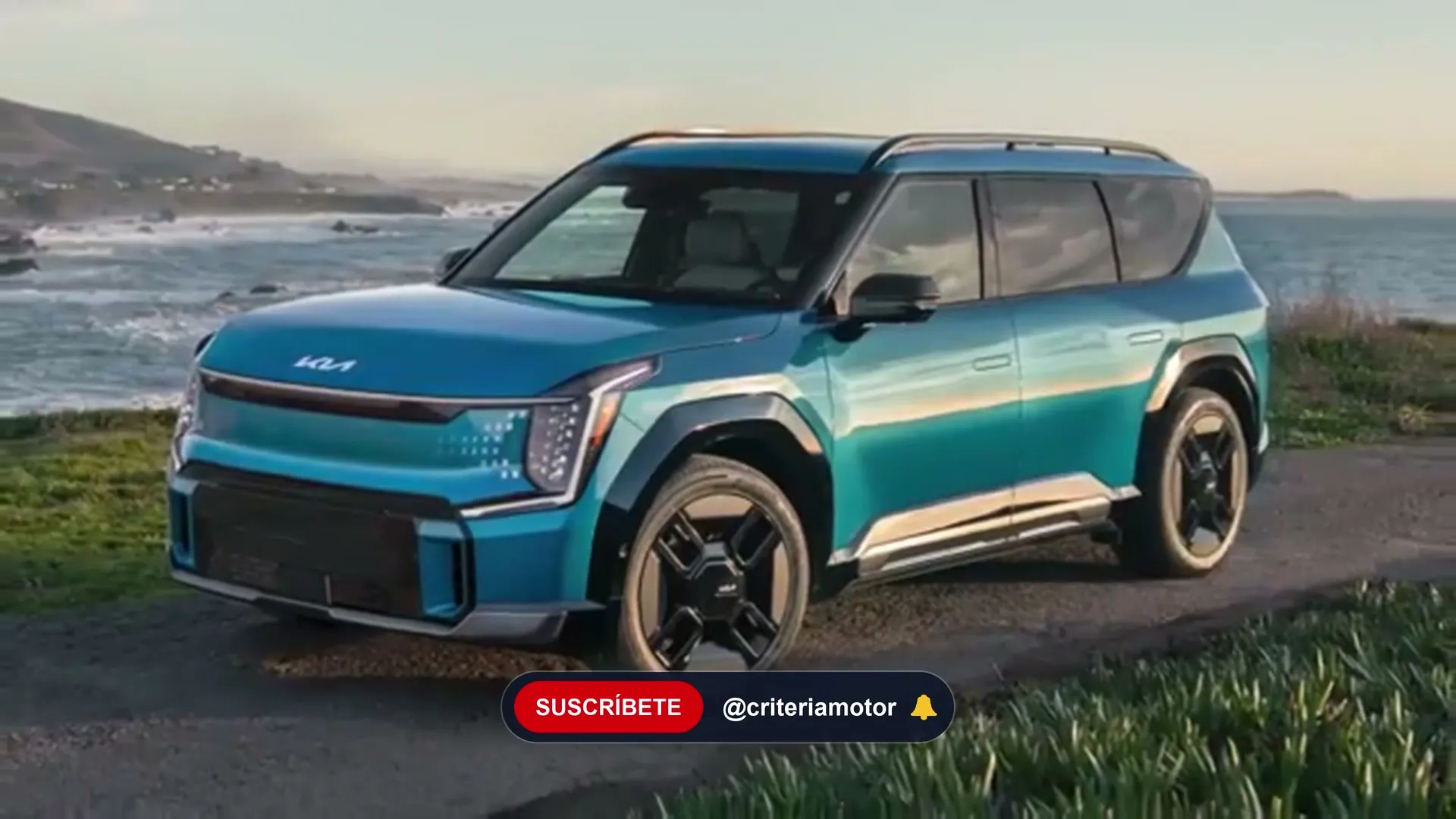 Figure 2: Visual detail and technical analysis corresponding to Driving Dynamics: Beyond the Numbers.
If this analysis is helping you protect your engine and your wallet, subscribe to the channel: every week we uncover the engineering and costs that brands don’t tell you about.
The Kia EV3’s driving dynamics are a compromise. The suspension, oriented towards comfort, absorbs irregularities well, but on winding roads, body roll is noticeable. It’s not a car designed for sportiness, and that’s evident in every abrupt change of direction, where the vehicle’s mass becomes apparent.
The steering, though precise in the city, lacks the direct feedback sought by more enthusiastic drivers. It’s light, which facilitates maneuvers, but filters too much information from the road, reducing the connection between the driver and the asphalt, a key factor in the vehicle experience.
The power delivery from the 150 kW electric motor (equivalent to 204 hp) is instantaneous, as is typical for EVs, allowing for 0 to 100 km/h acceleration in 7.5 seconds. However, this immediacy doesn’t translate into a constant feeling of thrust beyond the first few meters, diluting at medium speeds.
The brakes perform their function, but the transition between regenerative and mechanical braking is not always fluid, which can create a feeling of inconsistency in the pedal. This is an area where many EVs still have room for improvement to offer a more natural and linear braking experience.
Ride comfort is its strong suit. The seats are comfortable, and acoustic insulation is well-executed, reducing road and aerodynamic noise. This makes it a pleasant companion for daily use and long journeys, as long as range isn’t a constant concern.
However, for those seeking a touch of excitement behind the wheel, the EV3 can feel somewhat uninspiring. It doesn’t offer driving modes that radically transform its character, nor the agility one would expect from a compact SUV with modern pretensions. But how does this translate into the quality of life on board, beyond dynamics?
Ergonomics and Quality of Life On Board: The Overlooked Details
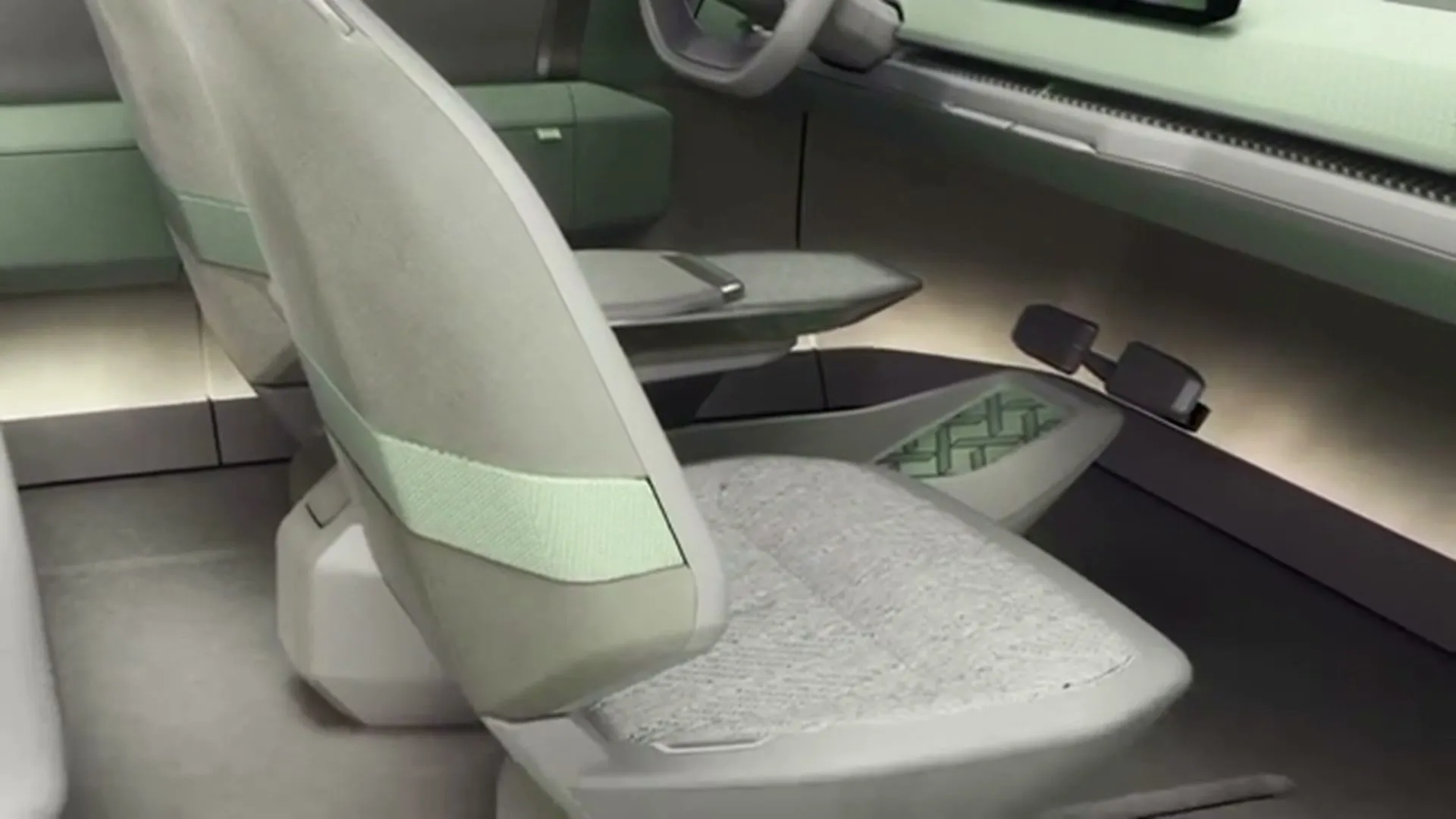 Figure 3: Visual detail and technical analysis corresponding to Ergonomics and Quality of Life On Board: The Overlooked Details.
The Kia EV3’s cabin is a modern and functional space, dominated by a dual 12.3-inch screen setup. However, the quality of some lower dashboard plastics and door panels is not up to what would be expected in a vehicle of its price and segment, with finishes that can feel somewhat rigid to the touch.
Ergonomics are generally good, with physical buttons for the most important functions like climate control, a wise choice that avoids distractions. Nevertheless, the infotainment system, though visually appealing, can be slow in some transitions, and touch response is not always instantaneous, leading to minor delays.
The gear selector, a rotary stalk on the steering column, frees up space on the center console, which is positive. However, some users report that its placement can lead to initial confusion and requires an adaptation period, especially for those coming from vehicles with more traditional selectors.
Interior space is generous for its size, especially in the rear seats, where two adults will travel comfortably. But the rear bench seat is somewhat flat and lacks the lateral support found in other models, which can be an inconvenience on longer trips or with sharp turns.
The trunk offers 460 liters of capacity, a competitive figure. However, the absence of a “frunk” or front trunk is a missed opportunity, especially in an EV, where that extra space is ideal for storing charging cables or small items, and which some of its direct rivals do offer.
Connectivity is complete, with wireless Apple CarPlay and Android Auto, USB-C ports, and wireless charging. But some users have reported stability issues with the wireless connection of the projection systems, which can be frustrating in daily use. Are these small details just annoyances, or do they reveal deeper problems in the EV3’s electrical engineering?
The Electrical Architecture: Where Does the Inefficiency Lie?
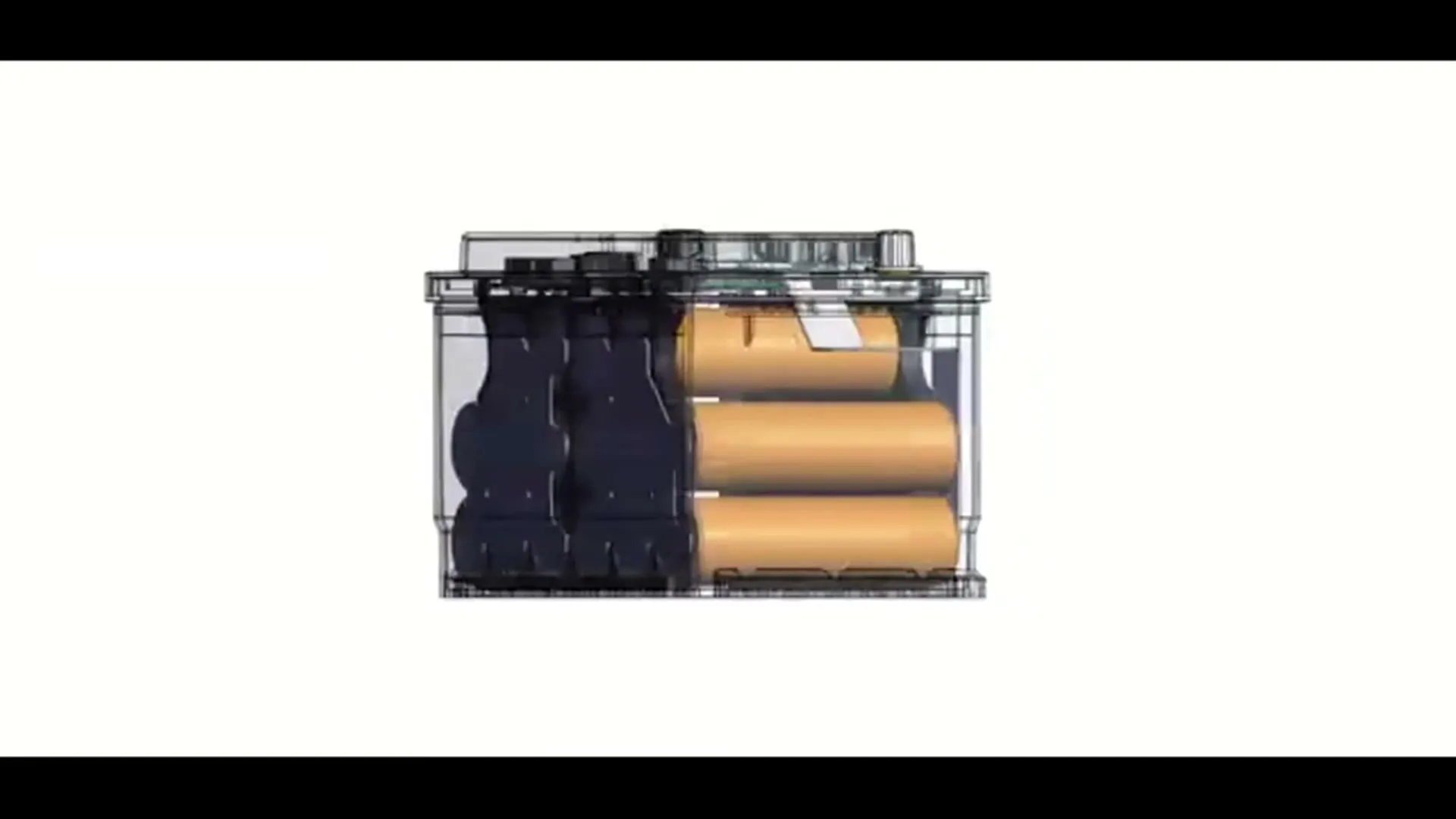 Figure 4: Visual detail and technical analysis corresponding to The Electrical Architecture: Where Does the Inefficiency Lie?.
The 81.4 kWh battery, though large for the segment, uses NCM (Nickel, Cobalt, Manganese) chemistry, which is robust but not always the most efficient in terms of energy density compared to other more advanced technologies. Thermal management is crucial, and here the EV3 shows areas for improvement.
Under high demand conditions, such as repeated fast charging or spirited driving, the thermal management system may not be as effective as in other competing models. This can lead to a reduction in charging power or an increase in consumption to maintain optimal temperature, directly impacting range and charging times.
The electric motor, a permanent magnet synchronous motor, is powerful and efficient at moderate speed ranges. However, its performance at high revolutions, such as on the highway, is not always the most optimized, contributing to the higher consumption observed under those conditions, a critical factor for the European driver.
The 400-volt electrical architecture is standard but doesn’t offer the advantages of 800-volt platforms that allow for ultra-fast charging and greater overall efficiency. While this reduces costs, it limits charging potential and sustained performance on very long journeys, compared to rivals that are already adopting this technology.
The infotainment system’s range prediction algorithms, though improved, can still be inconsistent. Variations in terrain, driving style, or climate control usage can generate significant deviations from the initial estimate, creating uncertainty for the driver.
Kia has incorporated a heat pump, an essential element for efficiency in cold climates. However, its performance and integration with the rest of the thermal system do not always achieve the efficiencies seen in higher-end vehicles, where heat recovery is even more sophisticated and effective. This raises a fundamental question: how does the EV3 position itself against its direct rivals in this highly competitive market?
The Silent Rival: Positioning and Real Competition
The Kia EV3 enters an increasingly crowded compact electric SUV segment. Its price, not yet confirmed for all markets but estimated around 35,000 to 40,000 euros for entry-level versions, places it against heavyweights like the Volvo EX30, which offers a more premium proposition and an 800-volt platform in some versions.
Another direct competitor is the BYD Atto 3, which offers excellent value for money, a very safe LFP Blade battery, and competitive real-world range, often with more generous standard equipment. The Atto 3, though with a less avant-garde design, presents a very solid proposition in efficiency.
The Hyundai Kona Electric, its platform sibling, also offers very similar range and technology, but with a more conventional design. The choice between them often comes down to aesthetic preferences and minor equipment differences, but the Kona already has a more established track record and usage data.
Even models like the MG ZS EV, with a more economical proposition, pose a challenge. While perhaps not as dynamically refined, its more accessible price and practicality make it an attractive option for many, forcing the EV3 to justify its price with tangible attributes.
The battle for efficiency and real-world range is not only fought in specifications but in daily experience. While the EV3 struggles with its highway consumption, other rivals have managed to better optimize their powertrains to maintain more consistent performance across diverse usage conditions.
Kia’s strategy with the EV3 is clear: to democratize electric technology. But on this path, some compromises in real-world range and efficiency can be significant hurdles. The EV market no longer forgives half-hearted promises, and competition is fierce. So, is the Kia EV3 a smart purchase or a programmed disappointment?
Verdict and Strategic Lesson
The Kia EV3 is a vehicle with a bold design and a technological interior that will undoubtedly turn heads. Its ride comfort and interior space are undeniable strengths, positioning it as an attractive option for daily and family use. However, its real-world highway range is the Achilles’ heel that the brand doesn’t emphasize.
The discrepancy between the WLTP figure and real-world conditions, coupled with a charging speed that, while good, is not class-leading, makes it an option that demands more careful planning for long journeys. Minor flaws in the quality of some interior materials and infotainment response, though not critical, detract from the perceived value.
For those who prioritize design, space, and comfort in urban and suburban environments, and do not undertake constant long-distance, high-speed trips, the EV3 can be a reasonable purchase. However, they must be aware of active range management and charging stops.
The strategic lesson here is clear: brands must be more transparent with range figures across different usage scenarios. The electric vehicle consumer is now mature and seeks honesty and contextualized data, not just homologation numbers. “Range shame” can be more damaging than a realistic figure from the outset.
Before buying the Kia EV3, or any other EV, thoroughly research its performance under real-world conditions. Test the car on the highway, not just in the city. Because the hidden truth of real-world range is the factor that will most impact your long-term experience, and the one brands least want you to discover for yourself.
🚗 Legal Notice & Automotive Technical Disclosure (Automotive Disclaimer):
The content presented in this article is for strictly informational, educational, and automotive technical analysis purposes. Data on range, energy consumption, power, charging times, and mechanical specifications correspond to official homologation sheets and tests under standardized conditions. Actual performance may vary depending on driving habits, topography, ambient temperature, and vehicle condition. Always consult the manufacturer’s manual and the homologated technical specifications for your market.
📺 Watch the Video Analysis
If you prefer to consume this content in audiovisual format with dynamic tests, telemetry, and technical analysis, we invite you to watch our video on YouTube:
-> ▶️ Watch the full video on YouTube
¿Prefieres el análisis en formato audiovisual?
Pruebas a fondo, análisis técnico de ingeniería automotriz y comparativas sin concesiones cada semana.

About Julian Torres
Julian es un entusiasta de la movilidad y de la tecnología, vive la pasión por el campo y disfruta de la paz y la tranquilidad. Antes de ésto, fue Senior Engineer en IBM.
Artículos Relacionados
Ver todos ↗
Kia EV3: The €35,000 EV Set to Retire the Diesel SUV? 🤯🔌
The automotive market is at a critical juncture. For decades, diesel SUVs reigned supreme, lauded for their range and torque, with models like the Nissan Qashqai and Hyundai Tucson dominating sales. Yet, escalating regulatory pressure and the inherent uncertainty surrounding diesel...

Renault 5 E-Tech: Real-World Highway Range? 🔋 The Hard Truth 🛣️
The Renault 5 E-Tech has burst onto the scene as a retro-futuristic icon, heralding a new era of electric mobility. But what happens when its urban charm confronts the relentless test of real-world highway range? This technical analysis by Criteria