

E-fuels: Savior or Ruin? The REAL Cost and Technical Deception 💸
Originally published by Criteria Motor. A comprehensive and structured analysis for in-depth reading.
E-fuels: The Lifeline for the Internal Combustion Engine, or an Ecological Utopia That Will Cost You a Fortune?
Fifty euros per liter. That’s the figure threatening to turn e-fuels not into the savior of the internal combustion engine, but its ultimate executioner. If you saw this number on the cover, it’s no coincidence: the promise of guilt-free gasoline engines clashes head-on with an economic and technical reality few dare to reveal. What’s being sold to us as the fuel of the future could, in fact, be the last and most expensive gasp of an era, with direct implications for your vehicle’s mechanics and your wallet.
Synthetic Alchemy: What Are E-fuels and How Much Do They Cost to Produce?
 Figure 1: Visual detail and technical analysis corresponding to Synthetic Alchemy: What Are E-fuels and How Much Do They Cost to Produce?
E-fuels, or synthetic fuels, represent the pinnacle of complex industrial alchemy. Their foundation is green hydrogen, obtained through water electrolysis using renewable energy, and carbon dioxide captured from the atmosphere or industrial processes. This combination, under processes like Fischer-Tropsch, rearranges atoms to create hydrocarbons that are, in theory, identical to gasoline or diesel, but with a neutral carbon footprint over their lifecycle.
The fundamental problem lies in the energy efficiency of this entire process. Each transformation involves losses: electrolysis to obtain hydrogen, CO2 capture, and the final synthesis. It’s estimated that, from the original renewable energy to the liquid fuel in the tank, between 70% and 80% of the energy is lost. This means that producing one liter of e-fuel requires a massive amount of clean electricity.
This inefficiency directly translates into cost. The infrastructure required to produce green hydrogen at an industrial scale is colossal, and direct air capture technology is still nascent and very expensive. Synthesis reactors demand high pressure and temperature conditions, requiring even more energy. We are talking about a process that consumes several times more energy than conventional gasoline production or the direct charging of an electric vehicle.
Current estimates, even optimistic ones, place the production cost of e-fuels at several euros per liter, before taxes and distribution. This isn’t just an initial quirk; it’s a physical and economic barrier inherent to the thermodynamics of the process. Promising a mass alternative at these prices is, at the very least, a pipe dream that ignores the reality of the necessary investment and global energy demand.
The question is whether this technology can ever scale sufficiently and reduce its costs to become a viable alternative for the global automotive fleet. The challenges are monumental, not only in production but also in the logistics of an entirely new supply chain. But beyond the initial cost, how will your car’s mechanical heart react to this new elixir?
E-fuels and Engine Integrity: Are They Truly “Drop-in”?
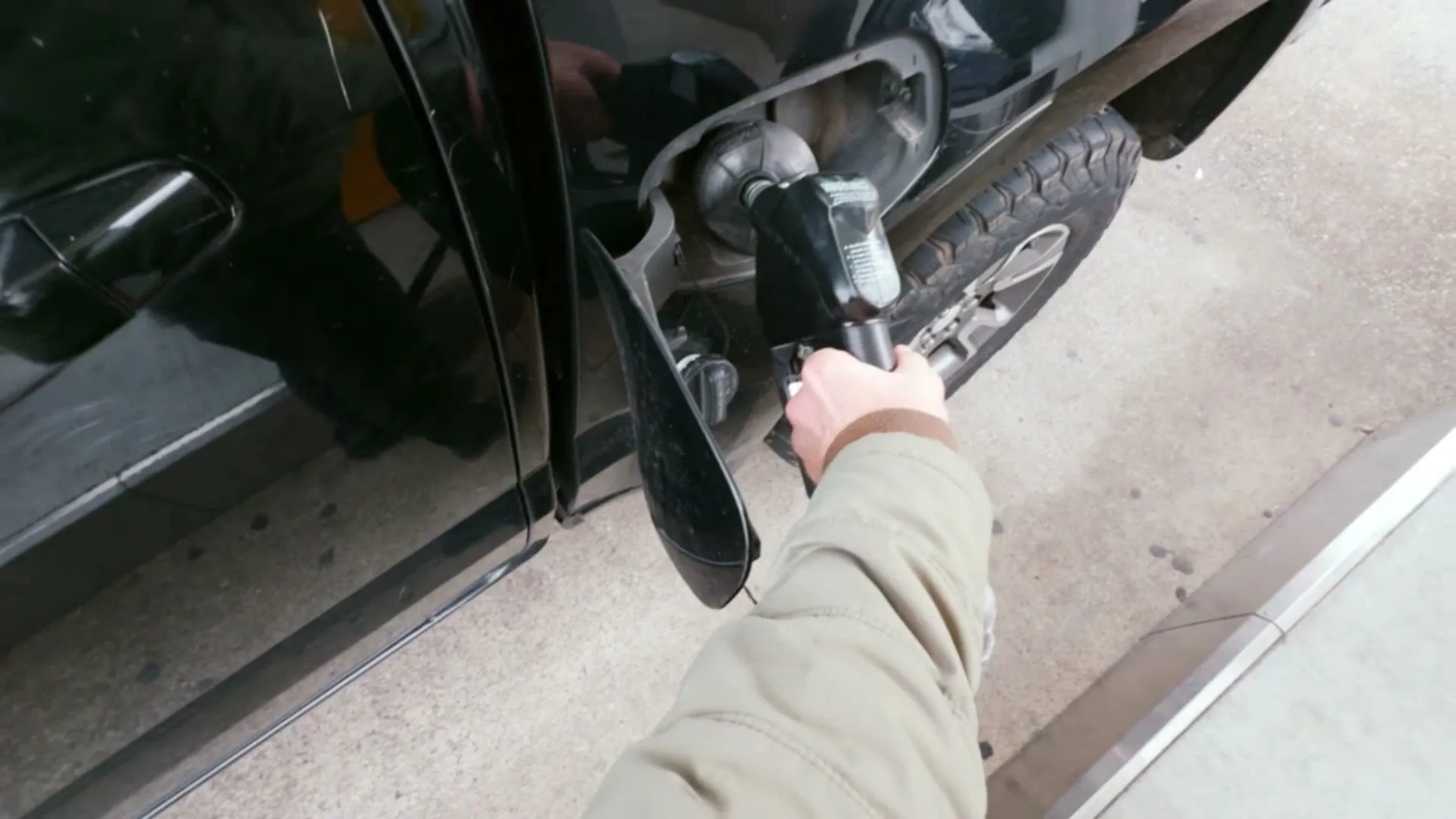 Figure 2: Visual detail and technical analysis corresponding to E-fuels and Engine Integrity: Are They Truly “Drop-in”?
The grand promise of e-fuels is their “drop-in” compatibility: they can be used in existing internal combustion engines without modifications. However, the mechanical reality is more nuanced. While chemically similar to fossil fuels, small variations in composition can have significant long-term effects on critical components. Octane rating, for instance, can be optimized, but lubricity and volatility are key parameters.
A critical point is deposit formation. Although e-fuels are promoted as cleaner, the combustion of any hydrocarbon will generate byproducts. The specific composition of e-fuels can alter the quantity and nature of these deposits on intake valves, injectors, and in the combustion chamber. This could lead to different carbon buildup, affecting engine efficiency and requiring distinct maintenance intervals.
The exhaust gas treatment system, especially the catalytic converter and particulate filters (GPF/DPF), could also be affected. E-fuels, being theoretically “sulfur-free” and with fewer aromatics, should reduce the load on these systems. However, any specific residue or impurity could alter the catalyst’s chemistry or the filters’ regeneration capacity, impacting their lifespan and effectiveness.
Gaskets, hoses, and seals in the fuel system are also a concern. These components are designed to withstand the specific chemistry of current gasoline or diesel. If e-fuels exhibit slightly different properties in terms of solvents or additives, they could accelerate the degradation of these materials, leading to leaks or premature failures. This isn’t an immediate risk, but it is a consideration for vehicle longevity.
If this analysis is helping you protect your engine and your wallet, subscribe to the channel: every week we uncover the engineering and costs that brands don’t tell you about.
In summary, the “drop-in” label does not mean “without impact.” It requires extensive long-term validation across a wide range of engines and fuel systems. Automotive manufacturers would need to recalibrate engine control units and perhaps adjust materials, which contradicts the idea of a universal and immediate solution for existing vehicles. The real question is: who is this technology intended for, and at what true cost?
The Scale and Price Dilemma: Luxury or Necessity?
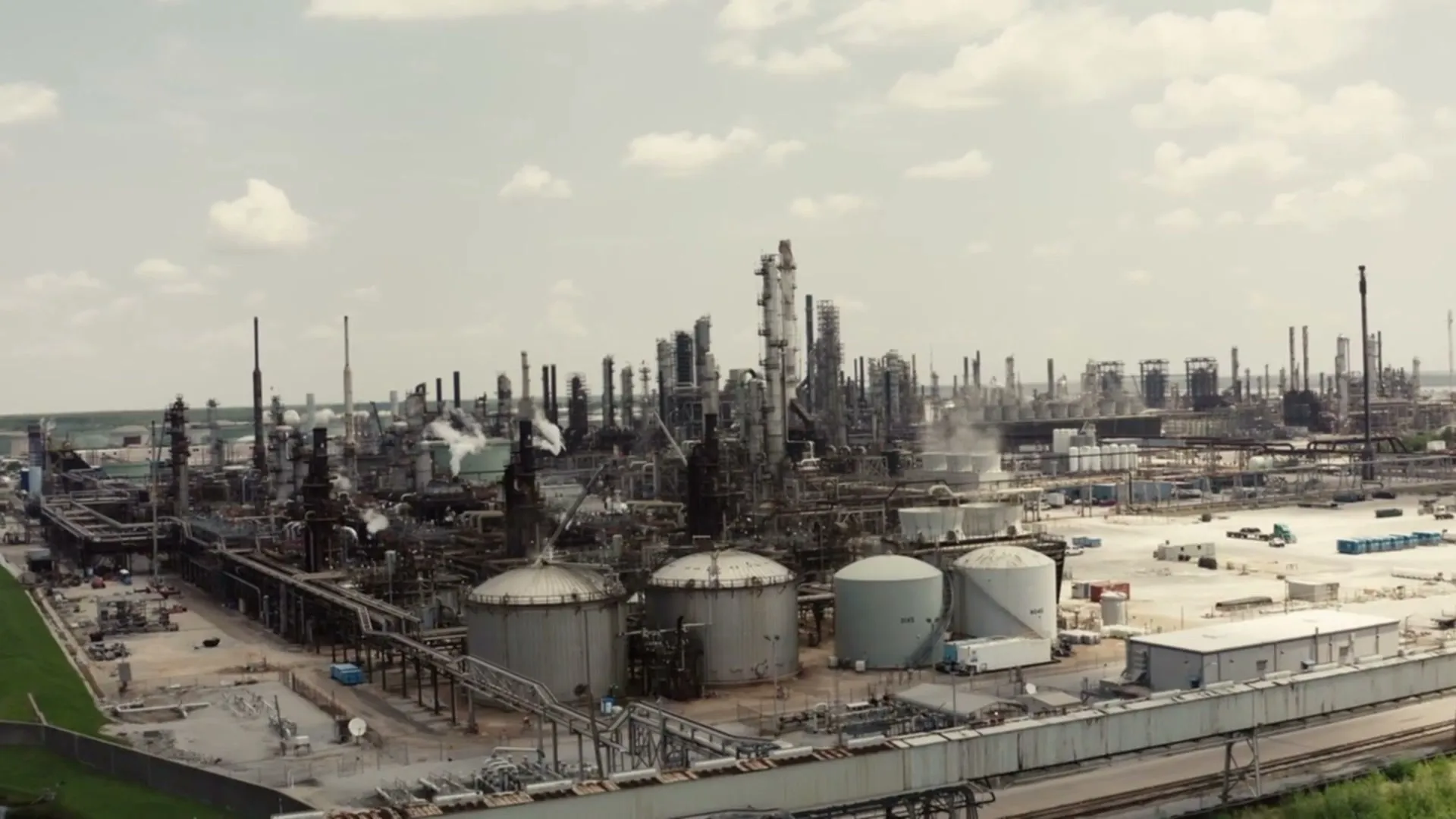 Figure 3: Visual detail and technical analysis corresponding to The Scale and Price Dilemma: Luxury or Necessity?
The current production capacity of e-fuels is minuscule compared to global fuel demand. To replace a significant fraction of worldwide consumption, thousands of gigantic plants would be needed, each consuming immense quantities of renewable energy and water. The investment required for this global infrastructure would be astronomical, directly competing with the expansion of electrification.
The transport and distribution of e-fuels also present challenges. While they can utilize existing pipeline and gas station infrastructure, the logistics of bringing hydrogen and CO2 to synthesis plants, and then distributing the final fuel, adds layers of complexity and cost. Furthermore, production will be concentrated in areas with abundant renewable energy (deserts, windy regions), far from major consumption centers.
The final consumer price will be the determining factor. With already high production costs, and adding taxes, transport, and profit margins, e-fuel could easily cost between 3 and 5 euros per liter, or even more, for decades. This positions it as a niche fuel, reserved for luxury vehicles, sports cars, classic cars, or very specific fleets that cannot be electrified.
Imagine an average driver trying to fill a 50-liter tank at 4 euros/liter: 200 euros per fill-up. This is unsustainable for daily commuting or household budgets. The promise of “saving” the internal combustion engine for everyone clashes with an insurmountable economic barrier, relegating e-fuels to a luxury or hobby market, far from a climate solution for mass transportation.
The question is whether massive investment in research and development, and infrastructure, for e-fuels wouldn’t be better directed towards accelerating the transition to electrification and other sustainable mobility solutions. Resource allocation is finite, and the large-scale economic viability of e-fuels remains the elephant in the room.
The Verdict: Lifeline or Costly Distraction?
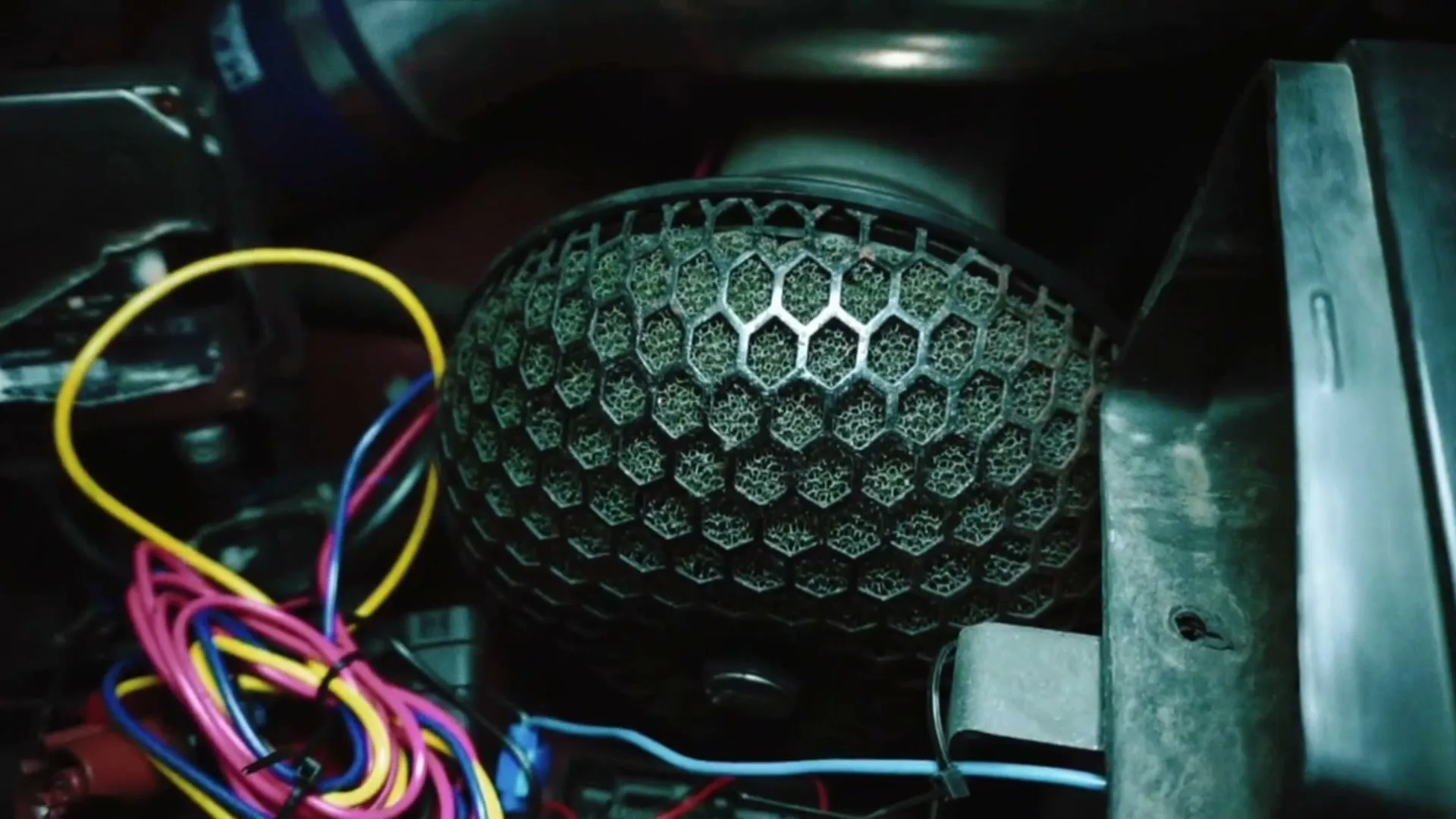 Figure 4: Visual detail and technical analysis corresponding to The Verdict: Lifeline or Costly Distraction?
E-fuels represent an engineering feat and a theoretically elegant solution for decarbonizing transport. However, the reality of physics, chemistry, and economics is stubborn. Their production is extremely energy-inefficient, which raises their cost to prohibitive levels for mass consumption. This is not a problem of technological “maturation,” but rather of its thermodynamic fundamentals.
For the vast majority of drivers, electrification offers a much more efficient, economical route with a lower overall carbon footprint, considering the complete lifecycle. The cost per kilometer of an electric vehicle is a fraction of what e-fuels would offer, and charging infrastructure is advancing by leaps and bounds. The battle for energy efficiency has already been won by electricity.
So, where do e-fuels fit in? Their most promising niche is in sectors where electrification is unfeasible or extremely complex: aviation, long-distance maritime transport, and perhaps, as fuel for classic or racing vehicles, where volume is low and cost is not the primary factor. For the daily-use car, they are an ecological utopia that will cost you a fortune, and that won’t reach your usual gas station at a reasonable price.
The longevity of your engine, if it were to use e-fuels, would likely not be catastrophically compromised, but neither would it substantially improve. The benefits of “cleaner” combustion would be overshadowed by cost and availability. It’s a laboratory solution, not a mass-market road solution.
Verdict and Strategic Lesson
The verdict is clear: e-fuels are not the universal savior for the internal combustion engine. They are a niche solution, another tool in the box for decarbonizing specific sectors where electrification is not practical. But to pretend they will replace gasoline or diesel on a large scale in our cars is a costly and inefficient fantasy. Physics does not negotiate with aspirations.
The strategic lesson for any motor enthusiast or pragmatic driver is that the era of the internal combustion engine, as we know it, is coming to an end for mass personal transportation. Investments and advancements are focused on electrification. E-fuels will not change that fundamental trajectory; they will merely offer a luxury reprieve for a select few, at a price the vast majority cannot afford. It’s time to look towards the future of mobility with a realistic perspective, understanding that efficiency and economics always win the long-term race.
🚗 Legal Notice & Automotive Technical Disclosure (Automotive Disclaimer):
The content presented in this article is for strictly informational, educational, and automotive technical analysis purposes. Data on range, energy consumption, power, charging times, and mechanical specifications correspond to official homologation sheets and tests under standardized conditions. Actual performance may vary depending on driving habits, topography, ambient temperature, and vehicle condition. Always consult the manufacturer’s manual and the homologated technical specifications for your market.
📺 Watch the video analysis
If you prefer to consume this content in audiovisual format with dynamic tests, telemetry, and technical analysis, we invite you to watch our video on YouTube:
-> ▶️ Watch the full video on YouTube
¿Prefieres el análisis en formato audiovisual?
Pruebas a fondo, análisis técnico de ingeniería automotriz y comparativas sin concesiones cada semana.

About Julian Torres
Julian es un entusiasta de la movilidad y de la tecnología, vive la pasión por el campo y disfruta de la paz y la tranquilidad. Antes de ésto, fue Senior Engineer en IBM.
Artículos Relacionados
Ver todos ↗
Kia EV3: The Phantom Range and Hidden Flaws Nobody Tells You About 👻🔋
The Kia EV3 promises an astonishing 600-kilometer WLTP range, but this video uncovers the uncomfortable truth on the road. We dive deep into why its real-world range often falls short, revealing a significant drop of over 30% at highway speeds.

Your Battery is Stealing €1,000: The Hidden Depreciation Secret 💸🔋
Under your vehicle's hood, a silent enemy is destroying its value: the battery. In this Criteria Motor technical analysis, we unveil the harsh reality of hidden depreciation caused by a poorly maintained battery. We compare robust LFP...