

Volvo EX30: Swedish Stronghold or Chinese Giant? 🇨🇳🛡️
Originally published by Criteria Motor. Comprehensive and structured analysis for in-depth reading.
Volvo EX30: The Safest, Most Tech-Advanced Electric SUV, or a Chinese Giant with Feet of Clay?
The Volvo EX30 bursts onto the scene as a major promise in electric mobility, a compact SUV inheriting Swedish safety and technological ambition. But beneath its minimalist skin lies a more complex reality: its DNA is intertwined with a global architecture, but at what cost to its essence and reputation?
The Nordic Promise and Geopolitical Reality
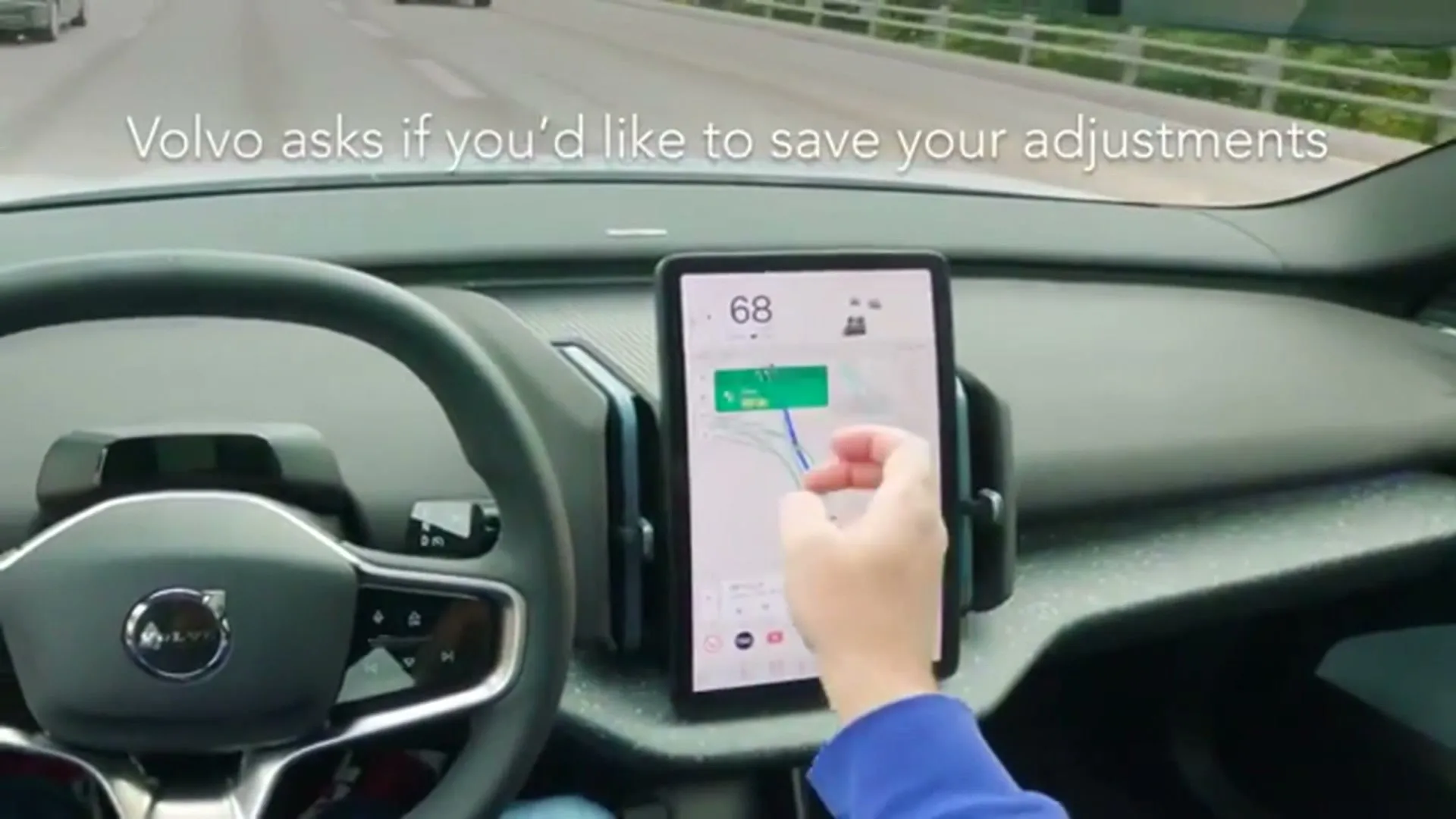 Figure 1: Visual detail and technical analysis corresponding to The Nordic Promise and Geopolitical Reality.
Volvo has positioned the EX30 as its smallest and most accessible electric SUV, a vehicle designed to attract a new generation of urban buyers. Its aesthetic is unmistakably Scandinavian: clean lines, uncluttered surfaces, and functionality that prioritizes ergonomics. The promise is clear: Volvo’s safety and design, now in a compact, 100% electric format, with an entry price around 37,000 euros.
Upon entry, the sense of modernity is palpable. The absence of a traditional instrument cluster, with all information concentrated on the central screen, redefines the driver’s experience. The materials, though largely recycled, maintain a high perceived quality, and attention to detail is evident. However, this extreme simplicity raises questions about long-term ergonomics and the saturation of functions within a single digital interface.
The strategy is bold: democratize access to the brand without compromising its fundamental values. But this ambition rests on a foundation many might not expect. The EX30 is not an entirely Swedish development; it shares its SEA (Sustainable Experience Architecture) platform with other Geely group models, such as the Smart #1 and the Zeekr X. While this platform integration optimizes costs, it introduces a critical variable: to what extent is Volvo’s intrinsic engineering and character maintained?
The challenge for Volvo is immense. It must convince a public that values its heritage of safety and durability that this new direction, with strong influence from its Chinese parent company, does not dilute the brand’s essence. The key question is not just whether it’s a good electric car, but whether it’s a genuine Volvo. Can the promise of safety and technology overcome the implications of its globalized origin?
Architecture and Powertrain: Volvo Engineering or Rebadged Geely?
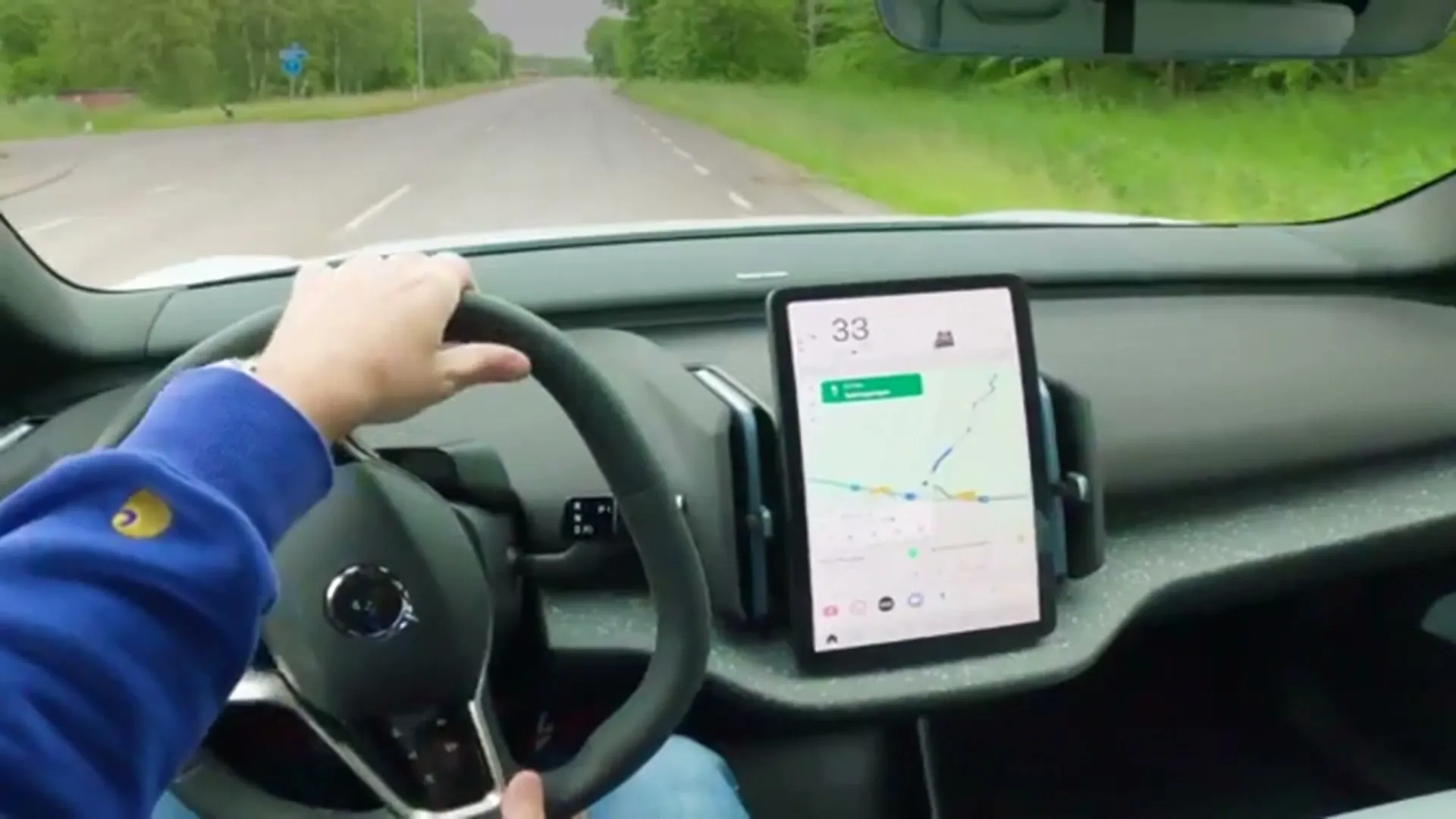 Figure 2: Visual detail and technical analysis corresponding to Architecture and Powertrain: Volvo Engineering or Rebadged Geely?.
The SEA platform is the heart of the EX30, an electric architecture designed to be versatile and efficient. This modular base allows Geely to develop multiple vehicles with different battery, motor, and body configurations, optimizing investment. In the EX30, this translates into two battery options: a 51 kWh gross lithium iron phosphate (LFP) for the standard range version, and a 69 kWh gross nickel-manganese-cobalt (NMC) for the extended range, offering WLTP ranges of 344 km and 476 km respectively.
Regarding propulsion, the EX30 offers two configurations. The rear-wheel-drive Single Motor version delivers 272 hp (200 kW) and 343 Nm of torque, allowing for 0 to 100 km/h acceleration in 5.7 seconds (with LFP battery) or 5.3 seconds (with NMC battery). This is an impressive figure for an SUV in its segment, outperforming many direct rivals in pure performance. Power delivery is instantaneous and linear, characteristic of electric vehicles.
For performance enthusiasts, the all-wheel-drive Twin Motor Performance variant combines two electric motors for a total of 428 hp (315 kW) and 543 Nm. This configuration propels the EX30 from 0 to 100 km/h in just 3.6 seconds, making it the fastest Volvo in history. These figures are worthy of a sports car, but they raise the question of whether such power is truly necessary or usable in an urban SUV of this size.
Fast charging capability is also a key point. The NMC battery version can accept up to 153 kW DC, allowing for a 10% to 80% recharge in approximately 26 minutes. The LFP battery is slightly slower, with a peak of 134 kW. These speeds are competitive within the segment but not groundbreaking. The system’s efficiency in real-world use will be the true test of this shared architecture.
If this analysis is helping you protect your engine and your wallet, subscribe to the channel: every week we uncover the engineering and costs that brands don’t tell you.
The front suspension is McPherson and the rear is multi-link, a configuration that promises a good balance between comfort and dynamism. However, the final tuning and specific components will define the driving feel. Has Volvo managed to imprint its hallmark of quality and comfort on a platform it shares with brands with a more sporty or youthful focus? Geely’s engineering is robust, but the “Volvo feel” is an intangible that goes beyond technical specifications.
Safety and Technology: Volvo’s DNA Under Scrutiny
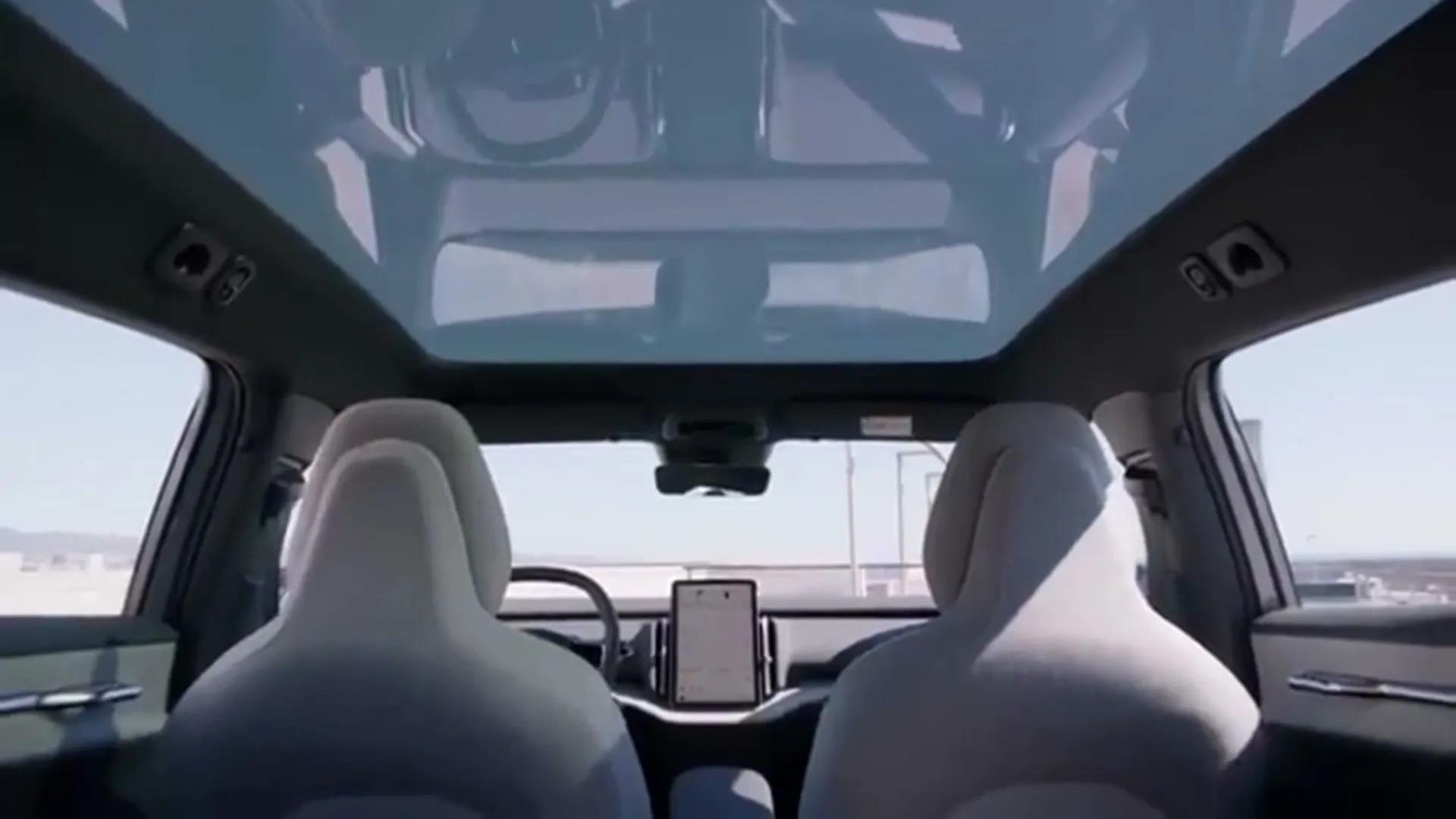 Figure 3: Visual detail and technical analysis corresponding to Safety and Technology: Volvo’s DNA Under Scrutiny.
Onboard technology is one of the EX30’s pillars. The infotainment system, based on Google Built-in, offers native integration with Google Maps, Google Assistant, and access to the Google Play Store. This provides a fluid and familiar user experience for many, with over-the-air updates promising to keep the system current. However, centralizing almost all functions on this single screen, including speed and driving information, may require an adaptation period and divert attention from the road more than desired.
In the realm of safety, Volvo does not lag. The EX30 incorporates a wide range of advanced driver-assistance systems (ADAS) as standard. This includes the Safe Space Technology system, which groups functions such as door opening alert (to prevent collisions with cyclists), front and rear collision mitigation systems, lane-keeping assist, and adaptive cruise control. These systems aim to maintain Volvo’s reputation as a leader in active safety.
A significant new feature is the driver alert system, which monitors the driver’s attention state, detecting drowsiness or distractions. This system, along with a body structure designed to efficiently absorb impact energy and a robust safety cage, aims to protect occupants in the event of a collision. Volvo has placed special emphasis on occupant protection, as is tradition.
Despite the shared platform, Volvo insists that it has applied its own safety standards and crash tests, which are usually more demanding than regulatory requirements. The EX30 is expected to achieve top ratings in Euro NCAP tests, a hallmark of the brand. However, integrating so many systems into a single screen, and the potential learning curve to interact with them intuitively and safely, could be a point of friction. Is this digital concentration an advancement or a step backward in ease of use and, consequently, in passive safety due to distraction?
Driving Dynamics and Real-World Range: The Asphalt Test
 Figure 4: Visual detail and technical analysis corresponding to Driving Dynamics and Real-World Range: The Asphalt Test.
Behind the wheel, the Volvo EX30 seeks a balance between comfort and agility. The steering is light yet precise, especially suitable for urban environments. On the open road, it offers adequate stability, though without the planted feel of its larger siblings. The suspension, despite its theoretically advanced configuration, tends to be firm, absorbing irregularities well but transmitting a stiffer sensation than expected for a Volvo, especially in the version with larger diameter wheels.
Acoustic insulation is notable. The cabin is quiet, with very little aerodynamic or road noise filtering in, contributing to a relaxed driving experience. The linear power delivery of the electric motors makes overtakes quick and safe, even in single-motor versions. However, the high weight of the batteries (around 1,830 kg for the Single Motor Extended Range version) is noticeable in rapid direction changes, where inertia is palpable.
Real-world range is always a concern in electric vehicles. While WLTP data is a guide, in mixed-use conditions (city and highway) and moderate temperatures, the Extended Range version with the 69 kWh NMC battery can approach 380-420 km. On the highway at constant speeds of 120 km/h, this figure could reduce to about 300-330 km, which is competitive but not exceptional. Energy consumption varies significantly with driving style and environmental conditions.
Energy regeneration is adjustable and works effectively, allowing for “one-pedal” driving in most urban situations. The brakes are powerful and easy to modulate, a crucial aspect in a vehicle with these performance capabilities. However, the overall chassis tuning, while competent, lacks that distinctive touch of refinement traditionally associated with Volvo. It’s a solid and predictable driving experience, but perhaps less “Scandinavian” than some might expect, leaning more towards the neutral and efficient dynamics of other SEA platform-based models.
Verdict and Strategic Lesson
The Volvo EX30 is, without a doubt, an ambitious product. It offers an attractive design, a technological interior, robust electric performance, and Volvo’s traditional emphasis on safety. Its entry price positions it very competitively in the growing compact electric SUV segment, directly threatening rivals like the Hyundai Kona Electric, Jeep Avenger EV, or even the Tesla Model Y in its entry-level versions due to its price/performance ratio.
However, the initial question persists: is it a Chinese giant with feet of clay? The answer is nuanced. Geely’s SEA platform provides a solid and efficient foundation, allowing Volvo access to technologies and economies of scale that would otherwise be unattainable. This is not necessarily “feet of clay,” but a modern industrial reality. The challenge lies in differentiation. While Volvo has managed to imprint its aesthetic and safety hallmark, the driving dynamics and overall experience do not always achieve the uniqueness or premium refinement some expect from the brand, leaning towards a more “globalized” experience.
The verdict is that the Volvo EX30 is a very competent, safe, and technologically advanced electric SUV that offers considerable value for its price. For many, it will be the perfect gateway to electric mobility with a premium touch. But for brand purists, those seeking the quintessence of Swedish engineering in every detail, this model represents a pragmatic evolution, where the efficiency of the global platform has taken precedence over some of the idiosyncrasies and distinctive character that defined Volvo in the past. It is a Volvo for the new era, but one that forces us to redefine what “being a Volvo” means in an increasingly interconnected and globalized automotive world.
🚗 Legal Notice & Automotive Technical Disclosure (Automotive Disclaimer):
The content presented in this article is for strictly informational, educational, and automotive technical analysis purposes. Data on range, energy consumption, power, charging times, and mechanical specifications correspond to official homologation sheets and tests under standardized conditions. Actual performance may vary depending on driving habits, topography, ambient temperature, and vehicle condition. Always consult the manufacturer’s manual and the homologated technical specifications for your market.
📺 Watch the video analysis
If you prefer to consume this content in audiovisual format with dynamic tests, telemetry, and technical analysis, we invite you to watch our video on YouTube:
-> ▶️ Watch the full video on YouTube
¿Prefieres el análisis en formato audiovisual?
Pruebas a fondo, análisis técnico de ingeniería automotriz y comparativas sin concesiones cada semana.

About Julian Torres
Julian es un entusiasta de la movilidad y de la tecnología, vive la pasión por el campo y disfruta de la paz y la tranquilidad. Antes de ésto, fue Senior Engineer en IBM.
Artículos Relacionados
Ver todos ↗
Kia EV3: The €35,000 EV Set to Retire the Diesel SUV? 🤯🔌
The automotive market is at a critical juncture. For decades, diesel SUVs reigned supreme, lauded for their range and torque, with models like the Nissan Qashqai and Hyundai Tucson dominating sales. Yet, escalating regulatory pressure and the inherent uncertainty surrounding diesel...

Kia EV3: The Phantom Range and Hidden Flaws Nobody Tells You About 👻🔋
The Kia EV3 promises an astonishing 600-kilometer WLTP range, but this video uncovers the uncomfortable truth on the road. We dive deep into why its real-world range often falls short, revealing a significant drop of over 30% at highway speeds.