

Tesla LFP Batteries: The Ultimate Smart Buy or Silent Degradation?
Originally published by Criteria Motor. A comprehensive and structured analysis for in-depth reading.
The Tesla Model 3 with an LFP battery is promoted as the indestructible and affordable electric vehicle, but its technology hides engineering secrets that can turn your experience into a range nightmare if you don’t understand its rules. Is this car the ultimate master purchase in the electric market, or a technical compromise that will ruin you in winter? Today, we dissect the truth.
The Affordable Promise: What LFP Chemistry Is and Why Tesla Adopted It
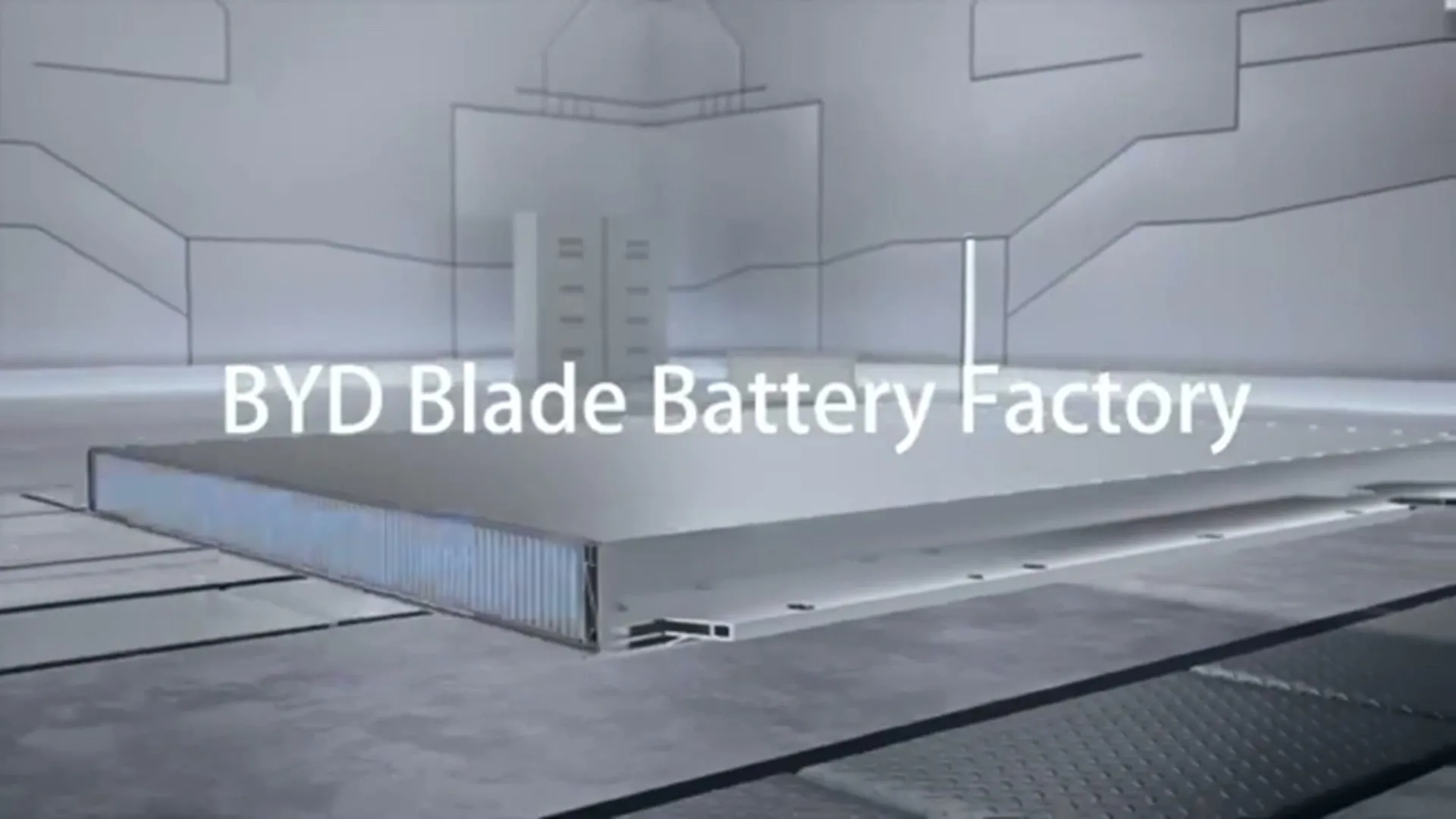 Figure 1: Visual detail and technical analysis corresponding to The Affordable Promise: What LFP Chemistry Is and Why Tesla Adopted It.
The introduction of lithium iron phosphate (LFP) batteries into Tesla’s lineup has marked a historical turning point in the electric vehicle industry. For years, the brand relied exclusively on nickel, manganese, and cobalt-based cells—chemistries with outstanding energy density but burdened by complex supply chains and a high cost per kilowatt-hour. The decision to introduce LFP chemistry in the Model 3 Standard Range aimed to democratize access to electric vehicles, completely eliminating expensive and controversial metals like cobalt.
At a molecular level, lithium iron phosphate chemistry exhibits formidable structural stability. Its olivine-type structure forms extremely strong covalent bonds between phosphorus and oxygen atoms, preventing the release of gaseous oxygen even under extreme temperatures or mechanical failures. This particularity makes LFP cells virtually immune to catastrophic thermal runaway, offering significantly superior passive safety compared to any traditional nickel chemistry.
In addition to safety, the economic advantage is compelling. The large-scale production cost of an LFP pack is significantly lower than high-density chemistries, allowing Tesla to adjust its commercial prices without compromising its gross margins. This formula has propelled Model 3 sales worldwide, making it the gateway to zero-emission mobility for hundreds of thousands of drivers.
The initial promise sounds impeccable: lower cost, greater fire resistance, and theoretical durability that triples the cycle life of conventional chemistries. However, no electrochemical advancement comes without notable sacrifices. To achieve this low cost and high resistance, engineers had to accept severe physical compromises that every driver should be aware of before making a purchase decision.
The Achilles’ Heel: Cold Climates, Internal Resistance, and Range Loss
 Figure 2: Visual detail and technical analysis corresponding to The Achilles’ Heel: Cold Climates, Internal Resistance, and Range Loss.
The first major obstacle faced by LFP chemistry appears as soon as the thermometer drops. The energy density of these cells is inherently lower, ranging between 160 and 170 watt-hours per kilogram compared to over 250 watt-hours per kilogram for NMC cells. To offer a usable capacity of 60 kilowatt-hours, Tesla’s LFP pack must incorporate much more active material, penalizing the vehicle with an overweight of up to 150 kilograms in the chassis.
But the true Achilles’ heel is the drop in performance at low temperatures. At sub-zero temperatures, the viscosity of the liquid electrolyte in LFP cells drastically increases, hindering the transport of lithium ions between the graphite anode and the phosphate cathode. The internal resistance of the pack skyrockets, causing instantaneous voltage drops under acceleration demand and reducing the net dischargeable capacity by up to 30 percent on winter journeys.
This loss of ionic mobility also directly affects regenerative braking. When the battery is cold, the management system cannot accept high regeneration currents without the risk of degrading the electrodes, forcing the driver to use conventional mechanical brakes more frequently. For those who do not understand electrochemical operation, the feeling of getting a new car and seeing its winter range diminished can be disconcerting.
If an adequate thermal routine is not adopted, winter transforms the user experience into more frequent charging stops and unexpected route calculations. The physics are unavoidable: LFP chemistry is one of the most robust ever conceived, but it requires the user to understand its thermal limits to avoid unpleasant surprises in harsh climates.
The Charging Dilemma: 80% Miscalibration vs. 100% Necessity
 Figure 3: Visual detail and technical analysis corresponding to The Charging Dilemma: 80% Miscalibration vs. 100% Necessity.
This is where the biggest operational controversy arises among electric vehicle users: what percentage should an LFP battery be charged to daily? Many drivers accustomed to vehicles with NMC chemistries automatically apply the rule of limiting daily charging to 80 or 90 percent, fearing that reaching 100 percent will prematurely degrade the cells. In a car with an LFP battery, this conventional practice turns out to be a critical error.
The reason lies in the peculiar open-circuit voltage curve that characterizes lithium iron phosphate. Unlike ternary batteries, whose voltage rises linearly and uniformly as energy accumulates, an LFP cell maintains a practically flat voltage between 15 and 90 percent of its state of charge. In this wide interval, the potential difference barely varies by a few hundredths of a volt, making voltage measurement a useless tool for determining the actual energy stored.
The battery management system then relies on the mathematical integration of current to estimate the available charge. If the owner does not regularly charge to 100 percent, the algorithm accumulates small deviations that end up miscalibrating the vehicle’s indicator. Over time, the car may show 10 percent battery on screen when in reality the physical energy is on the verge of depletion, causing unexpected stops mid-journey.
If this technical analysis is helping you understand the real engineering of your car and protect your wallet, subscribe to the channel: every week we dissect telemetry, maintenance costs, and data that manufacturers hide in commercial catalogs.
For this reason, Tesla expressly recommends charging LFP batteries to 100 percent routinely. Only when exceeding 95 percent charge does the pronounced upper voltage elbow manifest, reaching 3.65 volts per cell. It is at this exact threshold that the system can synchronize its calculations and mathematically recalibrate the state of health of each module.
Rapid Supercharging and Thermal Stress: The Truth About the SEI Layer
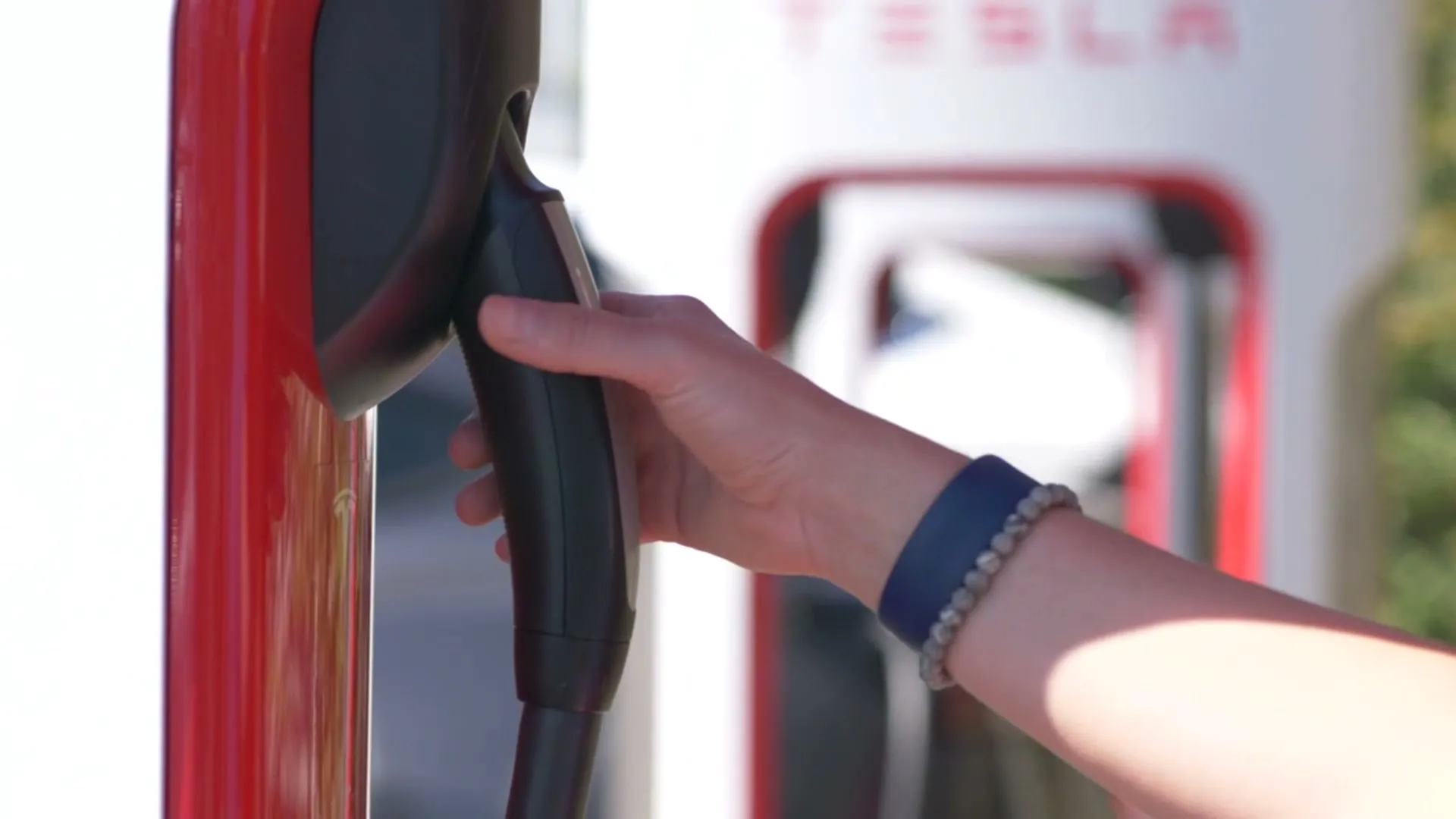 Figure 4: Visual detail and technical analysis corresponding to Rapid Supercharging and Thermal Stress: The Truth About the SEI Layer.
DC fast charging is one of the biggest advantages of the Tesla ecosystem, allowing hundreds of kilometers to be recovered in a matter of minutes. However, when it comes to LFP batteries, subjecting the pack to consecutive rapid recharges on long-distance trips requires careful management to avoid compromising its long-term longevity.
Although LFP chemistry is intrinsically stable against heat, the internal ohmic resistance at current intensities above 150 kilowatts generates considerable thermal dissipation at the connection terminals. When several supercharging stops are chained together on the same day in warm climates, the accumulated heat subjects internal components to sustained thermal stress that active cooling must dissipate at maximum power.
The most direct consequence of this high-temperature regime is the accelerated degradation of the solid electrolyte interphase, technically known as the SEI layer. This protective film on the anode irreversibly thickens with extreme thermal stress, consuming active lithium ions and increasing the permanent internal resistance of the pack. As a result, future peak charging power progressively decreases, and waiting times at the charger lengthen.
Rapid supercharging should be considered an occasional tool for travel, not a daily refueling routine. Exclusively and constantly using ultra-fast chargers eventually erodes the power curve and shortens the lifespan of any pack, debunking the popular myth that LFP batteries are immune to all types of electrical abuse.
Smart Preconditioning and Balancing: How to Exceed 500,000 Kilometers
Achieving record mileage figures with a Tesla Model 3 LFP is not a marketing chimera, but a technical reality within reach of any owner who applies two fundamental engineering strategies: grid-based thermal preconditioning and periodic cell balancing.
Scheduled preconditioning via the mobile app before starting a journey is the definitive solution to the cold-weather Achilles’ heel. By heating the coolant using direct energy from the domestic power outlet, Tesla’s sophisticated Octovalve raises the internal temperature of the cells to their optimal operating window without expending a single kilowatt-hour of the vehicle’s range.
Starting the journey with the pack at ideal temperature completely eradicates the risk of lithium metal electrodeposition, a destructive phenomenon that occurs when high acceleration or regeneration power is demanded from frozen cells. With the pack warmed, internal resistance drops to its minimum, acceleration responds immediately with its nominal power, and regenerative braking operates at 100 percent from the first intersection.
The second pillar is cell balancing, which occurs upon completion of 100 percent AC charging. During the low-amperage absorption phase, the system activates passive drain resistors to equalize the voltages of all modules. This process prevents individual cells from becoming imbalanced, ensuring that the inverter can utilize the pack’s full physical capacity without prematurely cutting off power delivery.
Verdict and Strategic Lesson
The Tesla Model 3 with an LFP battery represents one of the greatest victories of pragmatic engineering applied to sustainable mobility. By adopting lithium iron phosphate chemistry, Tesla not only lowered the entry barriers to electric vehicles but also endowed its most popular model with electrochemical robustness capable of easily exceeding half a million kilometers under normal use conditions.
However, this exceptional durability demands a pact with the driver. Treating an LFP battery as if it were nickel chemistry—limiting its daily charge to 80 percent or abusing rapid supercharging in extreme climates without prior conditioning—is the fastest way to generate miscalibrations and frustration. The technology is not imperfect, but it responds to very specific physical laws.
Is it, then, the ultimate smart purchase? Our technical verdict is clear: yes, provided you have a slow charging point at home or work that allows you to complete 100 percent recharges regularly and schedule preheating in winter. If you meet this operational requirement, you will obtain the lowest cost per kilometer in the automotive market with a mechanical peace of mind that very few vehicles in the world can match.
The strategic lesson for the contemporary buyer is compelling: in the era of electromobility, a car’s value is no longer measured solely by horsepower or interior finishes, but by the discipline with which you manage its electrochemistry. Understanding the technology beneath your feet is the definitive difference between enjoying a profitable investment and falling victim to technical ignorance.
The LFP battery has shown that you don’t have to pay exorbitant surcharges to enjoy a durable, efficient, and safe electric vehicle. Understand its principles, optimize your charging routines, and you will have in your hands one of the most reliable and cost-effective machines ever built by the modern automotive industry.
🚗 Legal Notice & Automotive Technical Disclosure:
The content presented in this article is for strictly informational, educational, and automotive technical analysis purposes. Data on range, energy consumption, power, charging times, and mechanical specifications correspond to official homologation sheets and tests under standardized conditions. Actual performance may vary depending on driving habits, topography, ambient temperature, and vehicle condition. Always consult the manufacturer’s manual and approved technical specifications for your market.
📺 Watch the video analysis
If you prefer to consume this content in audiovisual format with dynamic tests, telemetry, and technical analysis, we invite you to watch our video on YouTube:
-> ▶️ Watch full video on YouTube
¿Prefieres el análisis en formato audiovisual?
Pruebas a fondo, análisis técnico de ingeniería automotriz y comparativas sin concesiones cada semana.

About Julian Torres
Julian es un entusiasta de la movilidad y de la tecnología, vive la pasión por el campo y disfruta de la paz y la tranquilidad. Antes de ésto, fue Senior Engineer en IBM.
Artículos Relacionados
Ver todos ↗
Xiaomi SU7 Autopsy: Why You'll NEVER See It in Europe? 💸
The Xiaomi SU7 burst onto the automotive scene as a bold statement of intent, promising to revolutionize the electric sedan segment with a value proposition built on cutting-edge technology and competitive pricing. Its Modena platform

Xiaomi SU7 Ultra: Porsche Performance at 1/3 the Price? 🤯 Technical Analysis
The automotive industry is at a turning point with the emergence of the Xiaomi SU7 Ultra, an electric sedan directly challenging the Porsche Taycan. This technical analysis deconstructs Xiaomi's audacious proposition, investigating whether its engineering, propulsion, and digital integration truly deliver on its promise.