

Your Battery is Stealing €1,000: The Hidden Depreciation Secret 💸🔋
Originally published by Criteria Motor. Comprehensive and structured analysis for in-depth reading.
LFP vs. AGM Batteries: Which DESTROYS Your Car’s Value Faster? The Silent War of Degradation.
Your car loses value every day, but there’s a silent component accelerating that decline by thousands of euros: the battery. Is it the traditional AGM or the modern LFP that’s truly costing you more? Today, we unveil the hidden war of degradation and how it directly impacts your wallet.
The Silent Battle: LFP vs. AGM at the Heart of the Car
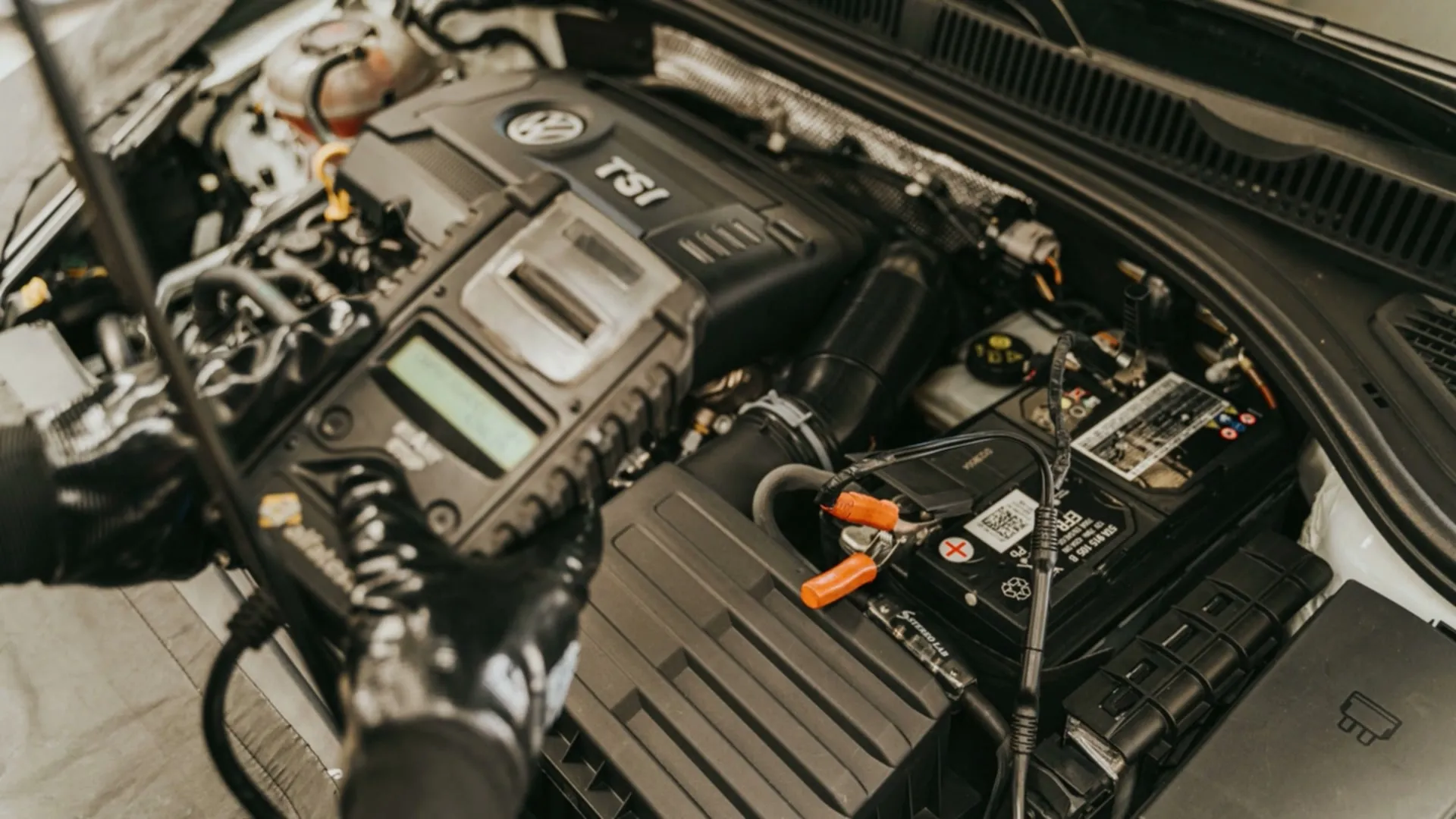 Figure 1: Visual detail and technical analysis corresponding to The Silent Battle: LFP vs. AGM at the Heart of the Car.
In today’s automotive ecosystem, two battery architectures dominate the market, each with a distinct role and impact on your vehicle’s residual value. On one side, we have the venerable AGM, the advanced lead-acid battery that powers auxiliary systems and starting in most combustion cars and some hybrids. Its function is critical, but its limited lifespan is a recurring cost.
On the other, the Lithium Iron Phosphate (LFP) battery has become the energy backbone of many modern electric vehicles, especially volume models. Its promise is greater longevity and safety, but its degradation, though slower, can have much more drastic financial consequences when it comes time to sell.
The battle isn’t just technological; it’s a silent war over depreciation. While a faulty AGM can leave you stranded and cost around €200 to €400 every few years, a degraded LFP battery in an electric vehicle can critically reduce its range and affect its resale value by thousands, even tens of thousands of euros, without prior warning.
Understanding how and why these batteries degrade is crucial for any owner looking to protect their investment and avoid unpleasant surprises. It’s not just about whether the car starts or not, but about the long-term financial health of your automotive asset.
The choice or maintenance of one over the other directly impacts the Total Cost of Ownership (TCO) and the daily experience. A car with a failing AGM can generate intermittent electronic faults, while an EV with a diminished LFP can cause “range anxiety” and more frequent recharges. Both scenarios compromise value.
In this analysis, we will break down the internal mechanics of each type, their weaknesses and strengths, and, most importantly, how their inevitable degradation translates into a direct loss of capital. Prepare for a deep dive into the engineering that defines your vehicle’s economic life cycle.
AGM: The Discreet Thief of Your Wallet (and Start-up)
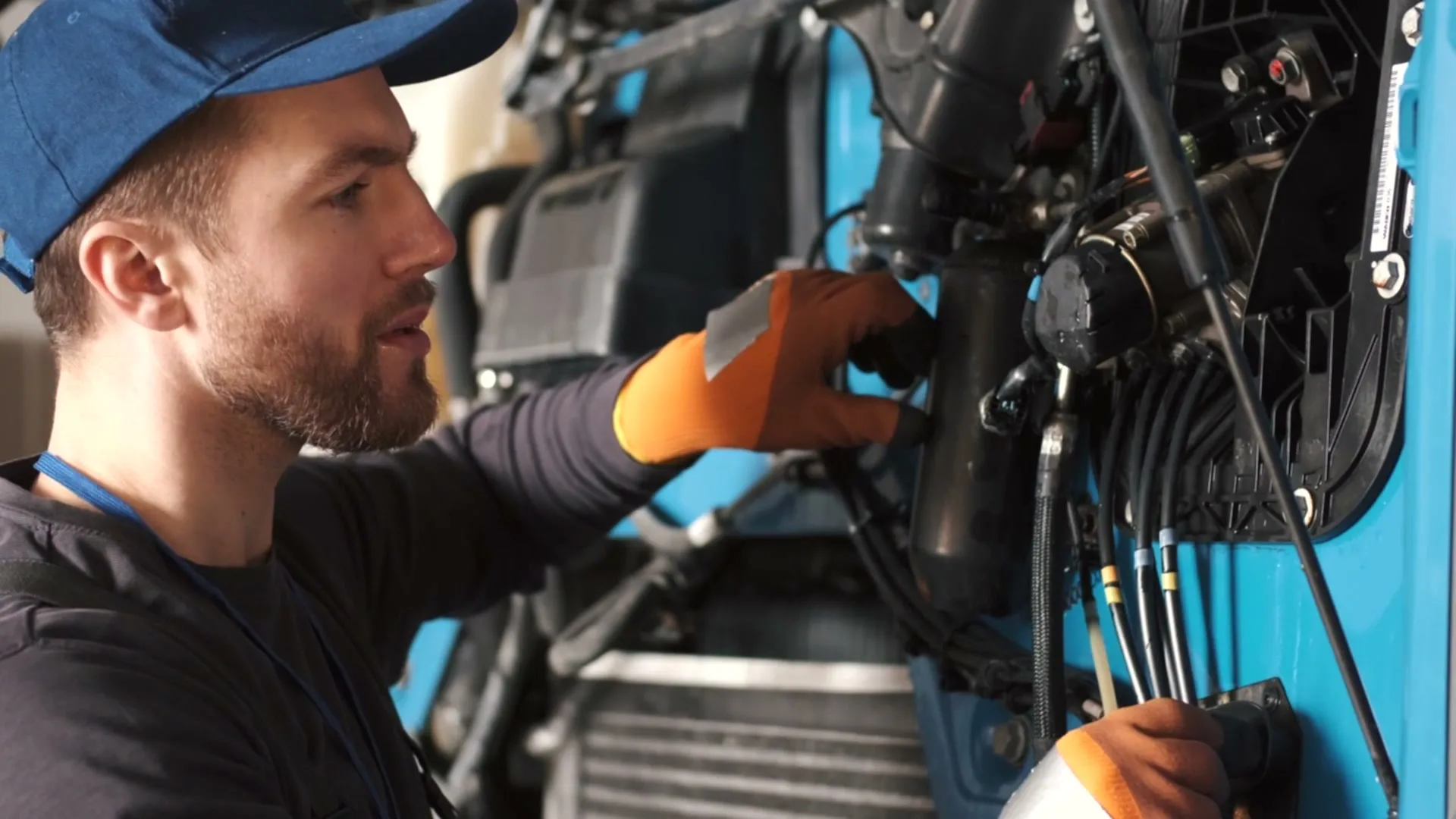 Figure 2: Visual detail and technical analysis corresponding to AGM: The Discreet Thief of Your Wallet (and Start-up).
AGM (Absorbent Glass Mat) batteries are an evolution of traditional lead-acid batteries, designed to withstand more intense charge and discharge cycles, vital for Start-Stop systems and vehicles with high electrical demand. Internally, the electrolyte is absorbed into thin fiberglass mats, making them more resistant to vibrations and allowing for higher energy density.
Their Achilles’ heel is sulfation. When a battery discharges and is not fully recharged, lead sulfate crystals form on the plates. Over time, these crystals harden, preventing the battery from efficiently accepting and delivering charge. This process is the main culprit for its degradation and eventual failure.
The average lifespan of an AGM ranges from 3 to 5 years, although factors like extreme temperatures, short trips that prevent full recharging, and intensive use of onboard electronics can significantly shorten it. Replacing an AGM can cost between €200 and €400, a figure that recurs every few years, adding up to a considerable expense over the vehicle’s lifetime.
An AGM failure doesn’t just prevent starting. It can cause a myriad of electronic problems: Start-Stop system malfunctions, error messages on the instrument cluster, poor performance of electric power steering, or even the deactivation of advanced safety systems. A misdiagnosis could lead to costly repairs of other components.
If this analysis is helping you protect your engine and your wallet, subscribe to the channel: every week we uncover the engineering and costs that brands don’t tell you about.
AGM degradation is a discreet thief, stealing small amounts of money recurrently and potentially generating a cascade of functional problems that, while not catastrophic, diminish reliability and comfort. Its direct impact on resale value is less than that of an LFP, but the need to replace it before sale can be a negotiation point for the buyer.
Understanding that the AGM is not just a simple component but the electrical heart of the vehicle is key. Preventive maintenance, such as using trickle chargers if the car is parked for long periods, and periodic checks of its condition, can extend its lifespan and save you hundreds of euros and many headaches.
LFP: The Promise of Longevity… and Its Hidden Trap?
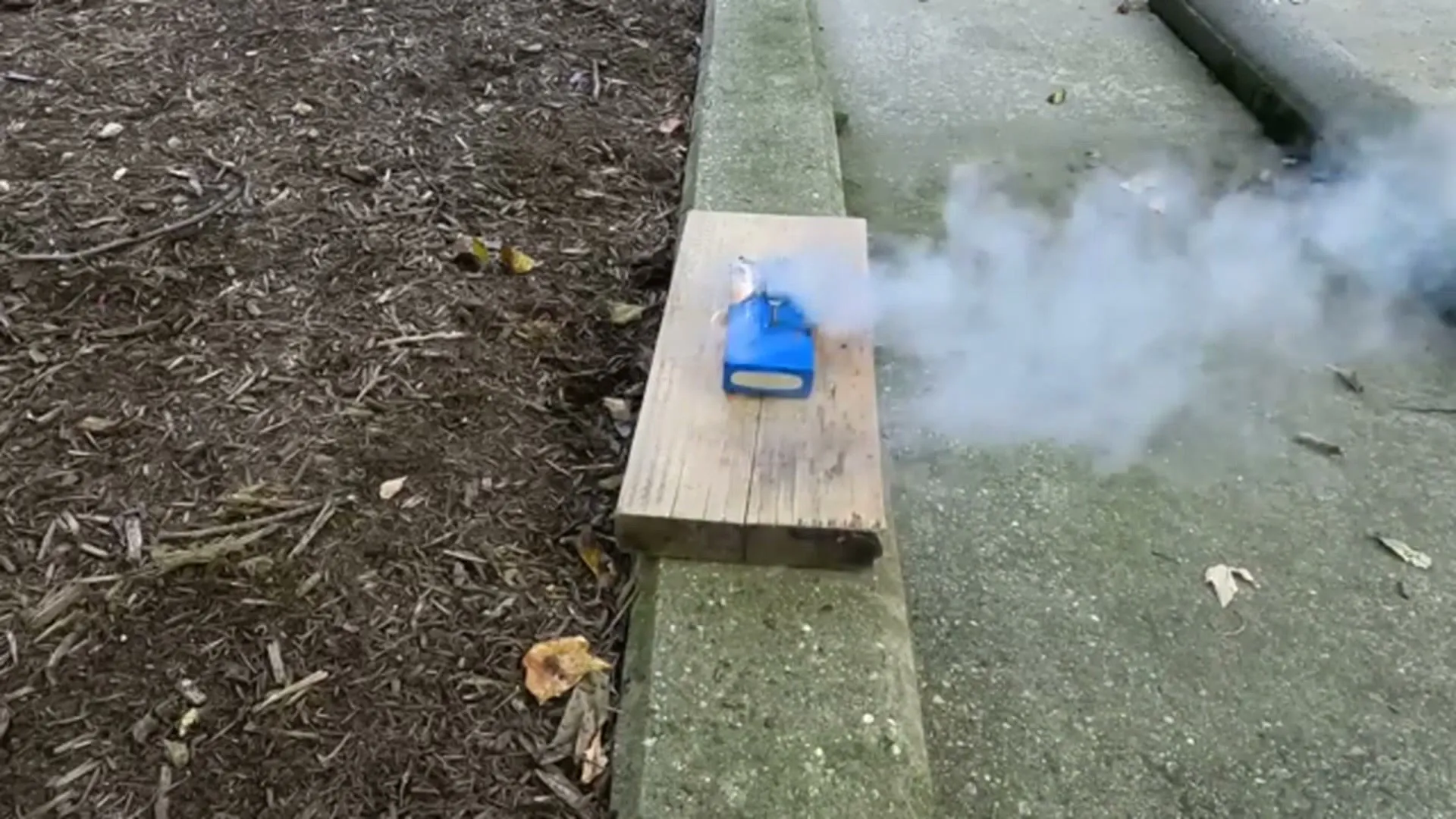 Figure 3: Visual detail and technical analysis corresponding to LFP: The Promise of Longevity… and Its Hidden Trap?.
LFP (Lithium Iron Phosphate) batteries have revolutionized the electric vehicle market thanks to their thermal stability, lower cost per kilowatt-hour, and impressive lifespan in charge and discharge cycles. Their chemistry offers greater resistance to overheating and thermal runaway, making them inherently safer than other lithium chemistries.
Degradation in LFPs primarily manifests as a loss of capacity, which directly translates into a reduction in the vehicle’s range. This phenomenon results from several factors: calendar aging (the simple passage of time), cycle aging (number of charges and discharges), and exposure to extreme temperatures.
Although their lifespan is estimated in thousands of cycles (2,000 to 3,000 cycles down to 80% capacity), which could mean 10 to 15 years of use, the “hidden trap” lies in the linearity of their voltage. Unlike other lithium batteries, LFPs maintain an almost constant voltage for most of their discharge, making it difficult to accurately estimate the remaining charge, a challenge for the Battery Management System (BMS).
A poorly calibrated BMS or an incorrect interpretation of the “usage window” (keeping the charge between 20% and 80%) can accelerate degradation. Prolonged exposure to 100% charges or deep discharges, although LFPs are more tolerant, is still detrimental in the long term, compromising lifespan.
Thermal management is another critical factor. Although LFPs are robust, operating them constantly at very low or very high temperatures accelerates degradation. An efficient thermal management system is vital to keep the battery within its optimal operating range and maximize its longevity.
LFP degradation is a double-edged sword for residual value. While a 10% to 15% capacity loss may be imperceptible for daily use in the short term, when selling the vehicle, a battery with a low “State of Health” (SoH) becomes a massive depreciation factor, as replacing an LFP battery pack can cost between €8,000 and €20,000.
This potential replacement cost is the biggest hidden trap, making a car with a significantly degraded LFP battery much less attractive, or worth considerably less, in the used car market. The promise of longevity turns into a threat if not managed properly.
Degradation in Figures: The Real Cost Per Kilometer
 Figure 4: Visual detail and technical analysis corresponding to Degradation in Figures: The Real Cost Per Kilometer.
To quantify the impact, let’s look at figures. An AGM battery, with a lifespan of 3 to 5 years and a replacement cost of €300 (average), represents an annual expense of €60 to €100. Over 10 years, this totals between €600 and €1,000, not counting potential collateral damage to electronics from voltage spikes or drops.
AGM degradation is a constant and predictable drain. It impacts TCO with recurring expenses and vehicle reliability. Its direct depreciation on resale value is limited, as it’s a relatively inexpensive component for a used car buyer to replace, but the need to do so can be a downward negotiation point.
LFP batteries, on the other hand, present a different dynamic. Assuming a lifespan of 8 to 10 years or 160,000 to 200,000 kilometers before significant degradation (below 80% SoH), the cost per kilometer initially seems low. However, a 15% to 20% degradation in an electric car with 400 km of range means losing 60 to 80 km of range, a direct blow to its utility and, therefore, its value.
In the used car market, an EV with an LFP battery that has lost 20% of its capacity can see its resale value reduced by 10% to 30% of the car’s total price, depending on the model and age. For an EV that cost €40,000, this could be a loss of €4,000 to €12,000, a much more severe impact than that of an AGM.
LFP degradation is a financial time bomb. It’s not the recurring expense, but the possibility of a massive replacement cost or brutal depreciation at sale. The 8-year or 160,000 km warranty offered by many manufacturers is a cushion, but what happens after that?
The key to protecting your investment is proactivity. For AGM, regular voltage monitoring and charging. For LFP, optimal charging practices (avoiding constant 100% and 0%), minimizing exposure to extreme temperatures, and staying attentive to BMS software updates.
The real cost per kilometer not only includes fuel or electricity but also the hidden depreciation in the health of these vital components. Ignoring it is signing a blank check to degradation.
Mitigation Strategies: Protecting Your Automotive Investment
To mitigate AGM battery degradation, the strategy is simple: keep it charged and clean. If your car sits for long periods, use a smart trickle charger. This prevents sulfation. Perform annual voltage checks and terminal cleaning to prevent corrosion, which increases resistance and further stresses the battery.
Avoid deep discharges, such as leaving the lights on all night. If your car has Start-Stop and you notice it doesn’t always work, it’s a sign that your AGM is losing capacity, and it’s time to check it before it leaves you stranded. Investing €50 in a trickle charger can save you €300 on a premature replacement.
With LFP batteries, the strategy is more about usage habits. Avoid routinely charging to 100% and discharging below 20%. The optimal range for LFP longevity is between 20% and 80% charge. While LFPs are more robust than other lithium chemistries to full charge, prolonged exposure at the extremes is still detrimental.
Minimize exposure to extreme temperatures. If you live in a very cold climate, try to pre-condition the battery before driving or charging. In very hot climates, park in the shade. These practices help keep the battery in its ideal thermal window, reducing stress and degradation.
Stay up-to-date with vehicle software updates. Manufacturers are constantly optimizing the BMS to improve battery management and longevity. An update can refine charging and discharging algorithms, or improve thermal management.
When buying or selling, the LFP battery’s condition is a crucial factor. As a buyer, demand a “State of Health” (SoH) report for the battery. As a seller, having a history of good maintenance and a healthy SoH will justify a higher selling price. A healthy battery can increase resale value by thousands of euros.
Protecting your automotive investment means understanding that the battery, whether AGM or LFP, is not merely an accessory but a central component whose care directly impacts your vehicle’s life cycle and economic value.
Verdict and Strategic Lesson
We have broken down the silent war of degradation between AGM and LFP batteries. The verdict is clear, but with nuances: the AGM battery is a “discreet thief” that recurrently steals small amounts of money from you, affecting reliability and generating a predictable expense every few years. Its impact on residual value is smaller, but its failure is an immediate nuisance.
The LFP battery, on the other hand, is a “financial time bomb.” It offers superior cycle longevity, but its degradation, though slower, can have a catastrophic impact on resale value, reducing it by thousands of euros if its state of health is poor. Its replacement cost is prohibitive for most users.
So, which destroys your car’s value faster? In the short to medium term, the AGM is a constant nuisance. In the long term, and especially in the used car market, a degraded LFP battery can annihilate a much larger portion of your vehicle’s value in one go.
The strategic lesson is the same for both: proactivity is your best defense. Understanding how they work, how they degrade, and how to maintain them is not just a matter of mechanics, but of personal finance. Every euro invested in a good trickle charger for your AGM, or every optimized charging habit for your LFP, is a euro you protect from depreciation.
In today’s automotive era, where technology advances by leaps and bounds, knowledge is power. Don’t let the silent war of degradation catch you by surprise. Protect your investment, extend your vehicle’s lifespan, and keep your wallet safe.
🚗 Legal & Automotive Technical Disclosure (Automotive Disclaimer):
The content presented in this article is strictly for informational, educational, and automotive technical analysis purposes. Data regarding range, energy consumption, power, charging times, and mechanical specifications correspond to official homologation sheets and tests under standardized conditions. Actual performance may vary depending on driving habits, topography, ambient temperature, and vehicle condition. Always consult the manufacturer’s manual and homologated technical specifications for your market.
📺 Watch the video analysis
If you prefer to consume this content in audiovisual format with dynamic tests, telemetry, and technical analysis, we invite you to watch our video on YouTube:
-> ▶️ Watch the full video on YouTube
¿Prefieres el análisis en formato audiovisual?
Pruebas a fondo, análisis técnico de ingeniería automotriz y comparativas sin concesiones cada semana.

About Julian Torres
Julian es un entusiasta de la movilidad y de la tecnología, vive la pasión por el campo y disfruta de la paz y la tranquilidad. Antes de ésto, fue Senior Engineer en IBM.
Artículos Relacionados
Ver todos ↗
Solid-State Batteries: 1000km Range in 10 Minutes? Myth or Reality? ⚡🔋
This article delves into the alluring promise of solid-state batteries for electric vehicles, offering 1000 km of range and 10-minute charging. We question whether this vision is an imminent reality or a technological chimera, exploring the profound challenges and potential.

Kia EV3: The Phantom Range and Hidden Flaws Nobody Tells You About 👻🔋
The Kia EV3 promises an astonishing 600-kilometer WLTP range, but this video uncovers the uncomfortable truth on the road. We dive deep into why its real-world range often falls short, revealing a significant drop of over 30% at highway speeds.