

Xiaomi SU7 Autopsy: Why You’ll NEVER See It in Europe? 💸
Originally published by Criteria Motor. Comprehensive and structured analysis for in-depth reading.
The Xiaomi SU7: Why NO ONE is Buying It in Europe? The Autopsy of a Foretold Failure.
The Xiaomi SU7 promised to revolutionize Europe with a Chinese price tag. But with 38% tariffs and brutal competition, its ambition is disintegrating. We analyze why this technological marvel won’t be seen on our streets.
The Technological Promise vs. The European Tariff Wall
 Figure 1: Visual detail and technical analysis corresponding to The Technological Promise vs. The European Tariff Wall.
The Xiaomi SU7 burst onto the scene as a statement of intent: a high-performance electric sedan, with aesthetics that flirt with Porsche and deep technological integration, inherited from its parent company. We are talking about a vehicle designed to dazzle, with power and range figures that, on paper, place it in the big leagues. Its Modena platform and 800V architecture are a testament to Xiaomi’s ambitious leap into the automotive sector, betting on cutting-edge engineering to compete globally.
Its drag coefficient of 0.195 Cd is not just a number; it is the result of meticulous design that seeks maximum aerodynamic efficiency, comparable to and even superior to models like the Porsche Taycan or the Tesla Model S. This obsession with aerodynamics directly translates into greater range and lower energy consumption, critical factors in the electric vehicle market. Every curve, every air intake, is designed to optimize flow and reduce drag, an engineering detail that few brands manage to master with such precision on their first attempt.
Inside, the SU7 presents itself as an extension of Xiaomi’s digital ecosystem. The integration of the HyperOS operating system promises a seamless user experience, connecting the vehicle with other smart devices from the brand. This technological synergy is a strong point, especially for the millions of loyal Xiaomi users. However, this advantage is diluted in a European market where the preference for closed ecosystems and data privacy are constant concerns. Xiaomi’s value proposition in software is powerful, but its cultural adaptation is a challenge.
But all this engineering and technology collide with an undeniable reality: European tariffs. The European Commission’s decision to impose duties of up to 38% on Chinese electric vehicles radically changes the landscape. A car that sells for the equivalent of 27,000 euros in China could arrive in Europe with a price exceeding 40,000 euros. This artificial price increase nullifies any initial competitive advantage and places it directly in a market segment where competition is fierce and European and American brands already have a consolidated position.
The promise of sporty performance with 0 to 100 km/h acceleration in 2.78 seconds for the Max version is impressive. Its HyperEngine V6s and V8s motors, with powers reaching 673 hp and 838 Nm of torque, demonstrate considerable engineering muscle. The integrated steering system, active suspension, and balanced weight distribution suggest refined driving dynamics. But these features, which would justify a premium price in China, face a much more demanding European customer less inclined to pay a premium for an emerging automotive brand.
The problem is not the SU7’s technical capability, but its economic viability. Who would pay 40,000 or 50,000 euros for a Xiaomi when for a similar price they can access a Tesla Model 3, a BMW i4, or a Hyundai Ioniq 6, models with an established service network and a consolidated reputation? The impact of tariffs is an almost insurmountable barrier that condemns the SU7 to be a technological curiosity, but not a sales success in the Old Continent.
Platform and Battery Engineering: A Forensic Analysis
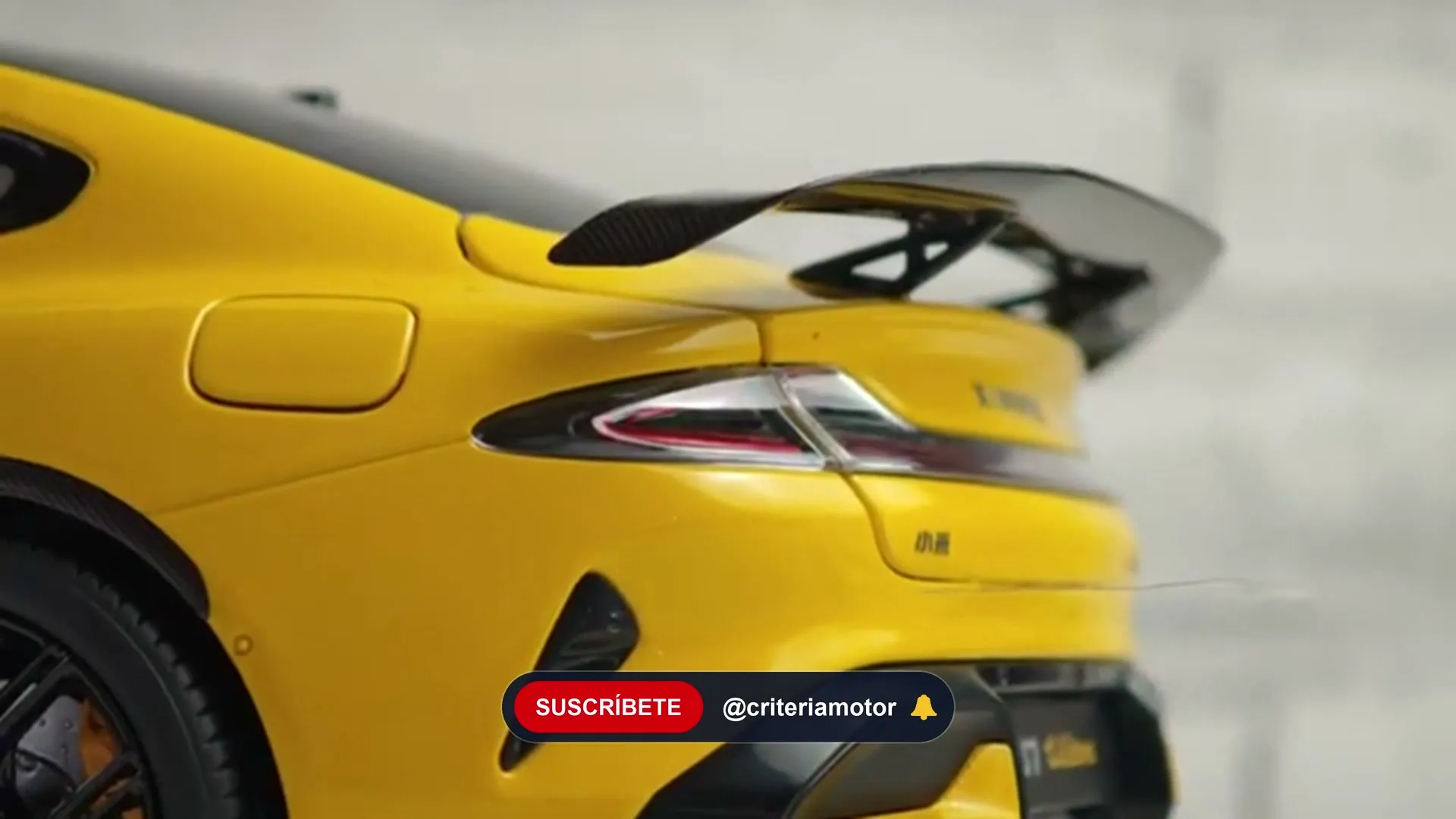 Figure 2: Visual detail and technical analysis corresponding to Platform and Battery Engineering: A Forensic Analysis.
If this analysis is helping you protect your engine and your wallet, subscribe to our channel: every week we uncover the engineering and costs that brands don’t tell you about.
The SU7’s Modena platform is the heart of its technical proposal. Designed from scratch for electric vehicles, it integrates the battery directly into the chassis structure (Cell-to-Body), a strategy that increases torsional rigidity and optimizes interior space. This 800V architecture not only allows for ultra-fast charging but also improves the overall efficiency of the propulsion system, reducing energy losses due to heat. It is a significant technical advantage over 400V platforms, which still dominate a large part of the market.
The battery pack, with capacities of 73.6 kWh and 101 kWh, offers ranges of up to 800 kilometers according to the Chinese CLTC cycle, although in the stricter European WLTP cycle, these figures would be lower, around 600-700 kilometers. The cell chemistry, supplied by CATL and BYD, is state-of-the-art, with high energy density that contributes to low weight and greater efficiency. The thermal management system is crucial for keeping these batteries within their optimal temperature range, ensuring both performance and longevity.
Xiaomi’s HyperEngine motors are another pillar of its engineering. Developed internally, they promise superior efficiency and linear power delivery. The V6s version, with 299 hp and 400 Nm, powers the rear axle in the entry-level model, while the Max version adds a second front motor for all-wheel drive and a combined output of 673 hp. The integration of power electronics directly into the motor housing minimizes losses and reduces the size of the propulsion unit, resulting in a compact and efficient design.
The front double-wishbone and rear multi-link suspension, combined with adaptive dampers, suggests a compromise between comfort and sportiness. The steering is variable-ratio, allowing for greater agility in the city and stability at high speeds. These elements are fundamental to the driving experience and for the vehicle to compete with European standards in dynamics. However, the tuning for the Chinese market, with preferences for softer suspension, might need adjustments for European tastes, which are more demanding regarding firmness and precision.
The braking system, with Brembo calipers in the higher versions, ensures adequate stopping power for its performance. Regenerative braking, integrated with the hydraulic braking system, optimizes energy recovery and reduces component wear. Intelligent energy management is key to maximizing range and efficiency in different driving scenarios, from urban traffic to the highway.
The nearly perfect weight distribution and an extremely low center of gravity, thanks to the battery’s placement, are inherent advantages of the Modena platform. These factors contribute to superior stability in corners and a planted feel on the road. In purely engineering terms, the Xiaomi SU7 is a very well-conceived and executed product, which is on par with many of its established competitors. The irony is that all this technical excellence is overshadowed by factors external to the car itself.
Aerodynamics and Design: The Pursuit of Absolute Efficiency
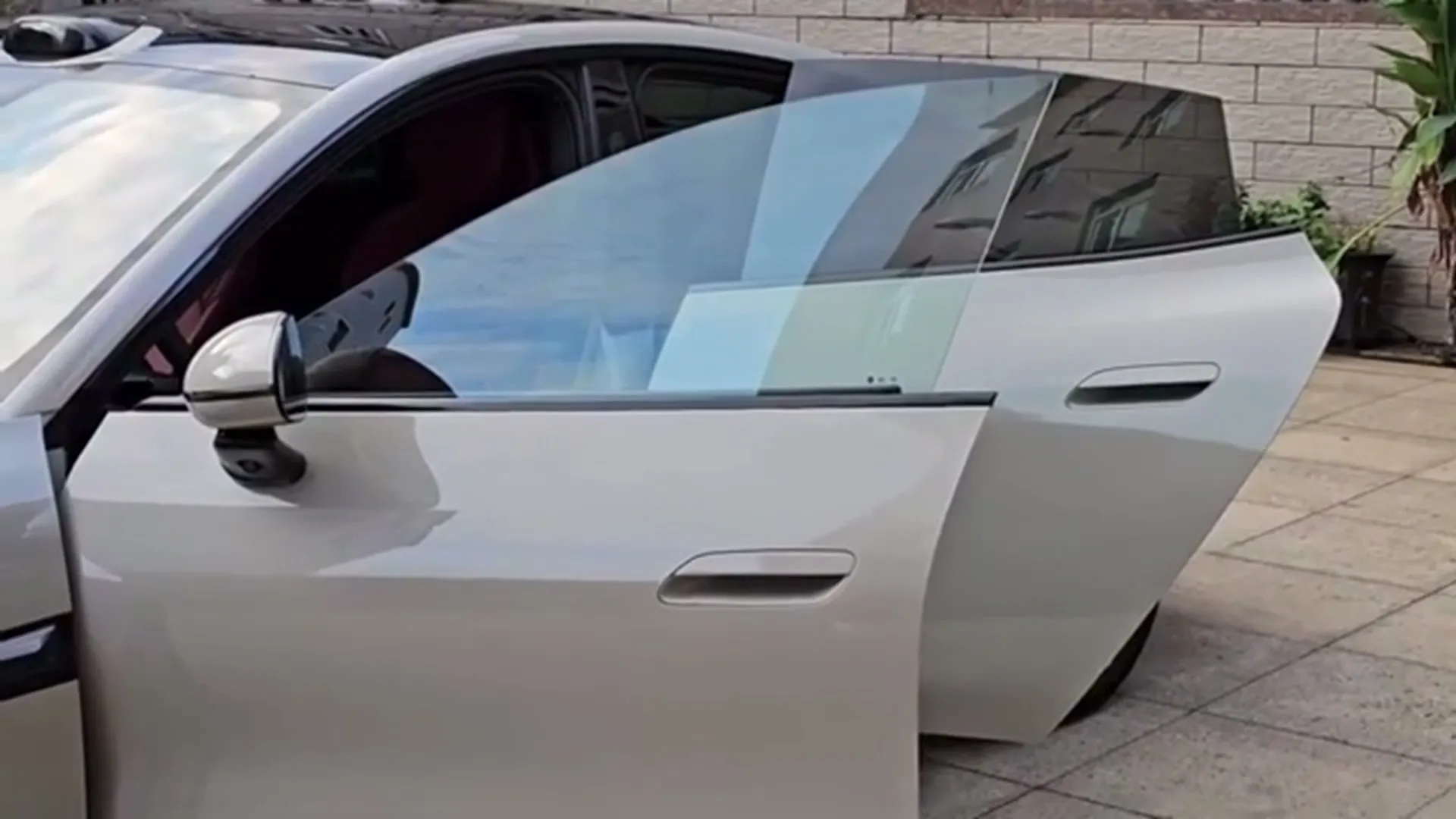 Figure 3: Visual detail and technical analysis corresponding to Aerodynamics and Design: The Pursuit of Absolute Efficiency.
The Xiaomi SU7’s aerodynamics is one of its strongest points, boasting a drag coefficient of 0.195 Cd. This value is not achieved solely with fluid lines; it is the result of complex engineering that includes active and passive elements. The design of the front, with carefully sculpted air intakes, guides the airflow around the wheels and through the vehicle’s underbody, minimizing turbulence.
Aerodynamic wheels, often underestimated, play a crucial role. Their design is not only aesthetic but also optimized to reduce drag and efficiently dissipate brake heat. Every millimeter counts in the pursuit of efficiency, and Xiaomi has paid attention to these details, which contribute to the final range and dynamic performance.
The active rear spoiler, which deploys at high speeds, is not just an ornament. It generates additional downforce, improving stability and traction in demanding driving conditions. This feature, common in high-performance sports cars, demonstrates Xiaomi’s ambition to offer a complete package of performance and safety. The integration of these active elements is a hallmark of sophisticated engineering.
The vehicle’s underbody is fully faired, creating a smooth surface that minimizes air resistance and protects battery and suspension components. Rear diffusers direct airflow to reduce turbulence and improve high-speed stability. These details, invisible to the naked eye, are fundamental to achieving such a low drag coefficient and optimizing energy efficiency.
The SU7’s design has drawn inevitable comparisons with the Porsche Taycan, and not by chance. Xiaomi has meticulously studied the benchmarks in the electric sports sedan segment, adopting proportions and aesthetic solutions that resonate with the public seeking this type of vehicle. However, the originality of the execution and the integration of Xiaomi’s identity are key to differentiation.
The convergence of design and aerodynamics is not an accident but the result of an exhaustive development process. From the first sketches and CAD models to wind tunnel tests and computational simulations, every aspect of the SU7’s bodywork has been optimized. This underscores the seriousness with which Xiaomi has approached automotive development, investing in talent and technology to create a competitive product.
The Xiaomi Ecosystem and the Brand Challenge in Automotive
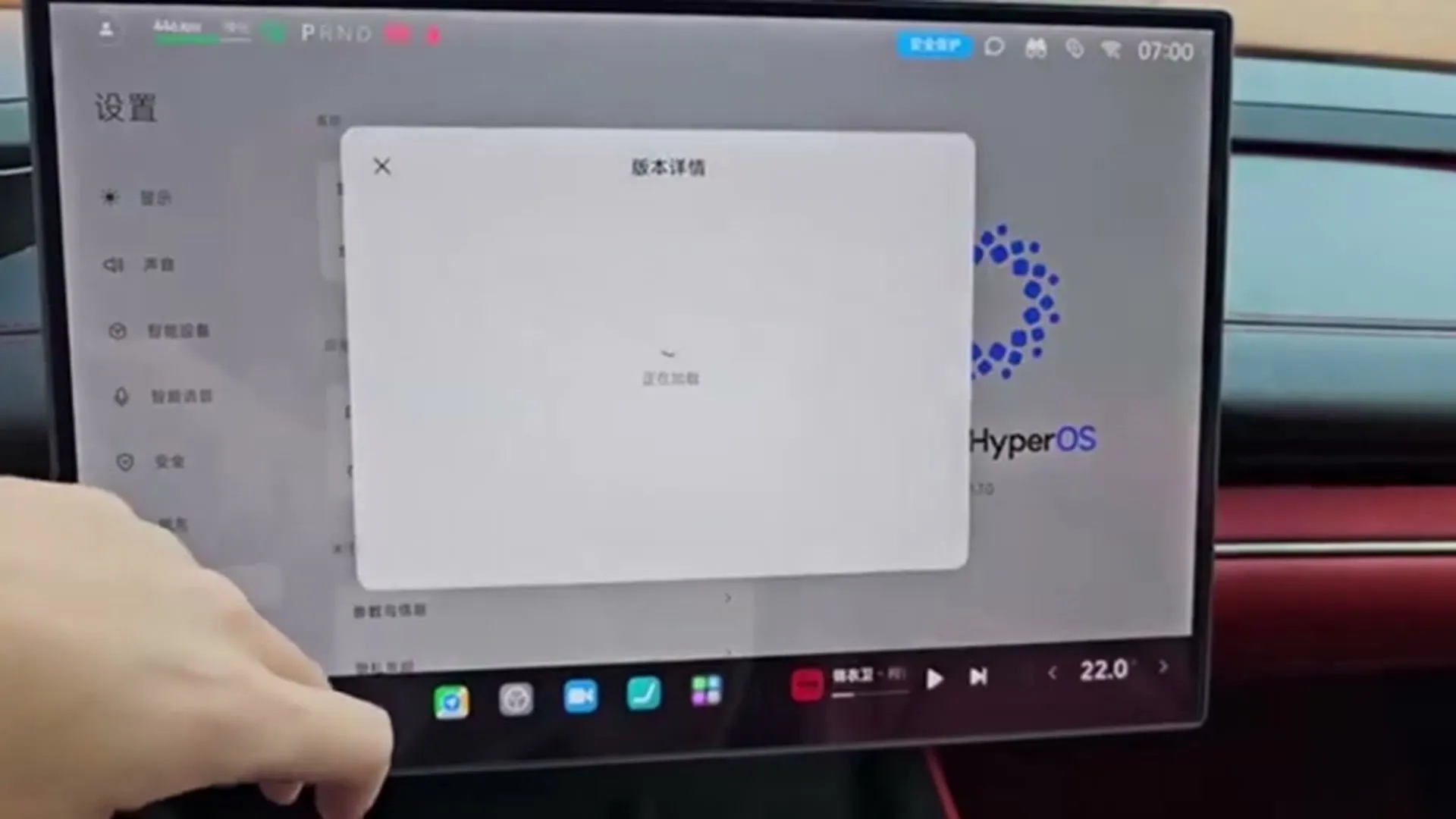 Figure 4: Visual detail and technical analysis corresponding to The Xiaomi Ecosystem and the Brand Challenge in Automotive.
Xiaomi’s main asset, beyond the SU7’s engineering, is its digital ecosystem. HyperOS, the operating system that unites smartphones, tablets, and the vehicle itself, promises a fluid and coherent user experience. The car becomes another device within Xiaomi’s connected home, allowing functions such as remote management of appliances or projecting multimedia content from the phone to the car’s screen. This integration is a powerful draw for millions of Xiaomi users.
Ease of use and connectivity are undeniable strengths. The voice assistant, integrated navigation with real-time data, and OTA (Over-The-Air) updates ensure that the vehicle stays up-to-date with the latest functionalities. However, the European market is skeptical of data collection by Chinese companies, and trust in privacy is a decisive factor for adoption.
The brand challenge in automotive in Europe is monumental. Xiaomi is a technological giant, but in the automotive sector, it is a newcomer. Building a sales and after-sales service network from scratch in such a diverse and regulated continent is a Herculean and extremely costly task. European customers value the proximity of an official workshop, the availability of spare parts, and the guarantee of a brand with years of experience in the sector.
Service infrastructure is not just a matter of sales points; it involves training specialized technicians, the availability of spare parts, and an efficient logistics chain. Establishing this in every European country requires massive investments and years of effort. Without a robust support network, the perceived risk for the consumer is high, which curbs sales even if the product is good.
The strength of the Xiaomi brand in consumer electronics does not automatically transfer to automotive. Buying a car is a much more complex and emotional decision than buying a smartphone. The reputation for reliability, safety, and resale value are crucial, and Xiaomi has not yet had the opportunity to build that trust in the European automotive sector.
Public perception is slow to change. Despite technological advances, there is still a stigma or at least caution towards Chinese car manufacturers in Europe. The narrative of “cheap, low-quality cars” is disappearing, but that of “cars without support and uncertain resale value” persists. Xiaomi, with its SU7, has to fight not only against competition but also against these ingrained preconceptions.
Verdict and Strategic Lesson
The Xiaomi SU7 is, from a purely engineering perspective, an exceptional electric vehicle. Its 800V platform, leading aerodynamics, powerful motors, and integrated digital ecosystem place it at the technological forefront. In the Chinese market, where tariffs do not exist and the Xiaomi brand is ubiquitous, the SU7 has undeniable potential to compete aggressively on price and performance. It is a testament to the innovation capability of the Chinese automotive industry.
However, the SU7’s European dream fades in the face of relentless economic and geopolitical reality. Tariffs of up to 38% act as an insurmountable wall, raising its price to a point where it loses all competitive advantage. A vehicle that is a disruptive offer in China becomes an inflated-price option without clear added value compared to established rivals with consolidated support infrastructure.
The strategic lesson here is twofold. For Chinese manufacturers, entry into the European market is no longer a matter of price or technology, but of localization strategy. Building factories in Europe, or at least acquiring European components, becomes indispensable to circumvent tariffs and gain consumer trust. The era of massive exports of finished vehicles from China to Europe is coming to an end.
For the European consumer, the verdict is clear: the Xiaomi SU7, despite its technical merits, will not be a viable option. Its absence from the market is not due to a lack of quality or innovation, but to political and economic decisions aimed at protecting the local automotive industry. The SU7 joins the list of “what could have been,” a brilliant engineering feat that, due to external circumstances, will not cross our borders.
The future of electric mobility in Europe will continue its course, but without what could have been one of its most interesting contenders. The autopsy of the Xiaomi SU7’s foretold failure in Europe is a stark reminder that, in the complex global arena, technical excellence is not always enough to guarantee commercial success.
🚗 Automotive Disclaimer & Technical Disclosure:
The content presented in this article is for strictly informational, educational, and automotive technical analysis purposes. Data on range, energy consumption, power, charging times, and mechanical specifications correspond to official homologation sheets and standardized test conditions. Actual performance may vary depending on driving habits, topography, ambient temperature, and vehicle condition. Always consult the manufacturer’s manual and homologated technical sheets for your market.
📺 Watch the video analysis
If you prefer to consume this content in audiovisual format with dynamic tests, telemetry, and technical analysis, we invite you to watch our video on YouTube:
-> ▶️ Watch full video on YouTube
¿Prefieres el análisis en formato audiovisual?
Pruebas a fondo, análisis técnico de ingeniería automotriz y comparativas sin concesiones cada semana.

About Julian Torres
Julian es un entusiasta de la movilidad y de la tecnología, vive la pasión por el campo y disfruta de la paz y la tranquilidad. Antes de ésto, fue Senior Engineer en IBM.
Artículos Relacionados
Ver todos ↗
Xiaomi SU7 Ultra: Porsche Performance at 1/3 the Price? 🤯 Technical Analysis
The automotive industry is at a turning point with the emergence of the Xiaomi SU7 Ultra, an electric sedan directly challenging the Porsche Taycan. This technical analysis deconstructs Xiaomi's audacious proposition, investigating whether its engineering, propulsion, and digital integration truly deliver on its promise.

Kia EV3: The Phantom Range and Hidden Flaws Nobody Tells You About 👻🔋
The Kia EV3 promises an astonishing 600-kilometer WLTP range, but this video uncovers the uncomfortable truth on the road. We dive deep into why its real-world range often falls short, revealing a significant drop of over 30% at highway speeds.