

Tesla: Minor Bump, $15,000 Bill 💸 Why Are EV Repairs So Expensive? 🔋
Originally published by Criteria Motor. Comprehensive and structured analysis for in-depth reading.
The Hidden Truth: Why Does Repairing a Minor EV Bump Cost Triple That of a Gasoline Car?
A minor bump on your electric car could cost you $15,000, easily three times more than on a combustion vehicle. This isn’t a myth; it’s an engineering and total cost of ownership reality that brands don’t detail. Today, we uncover why a simple scrape turns into an astronomical bill and how it impacts your wallet.
The Hidden Architecture: From Chassis to Electric Heart
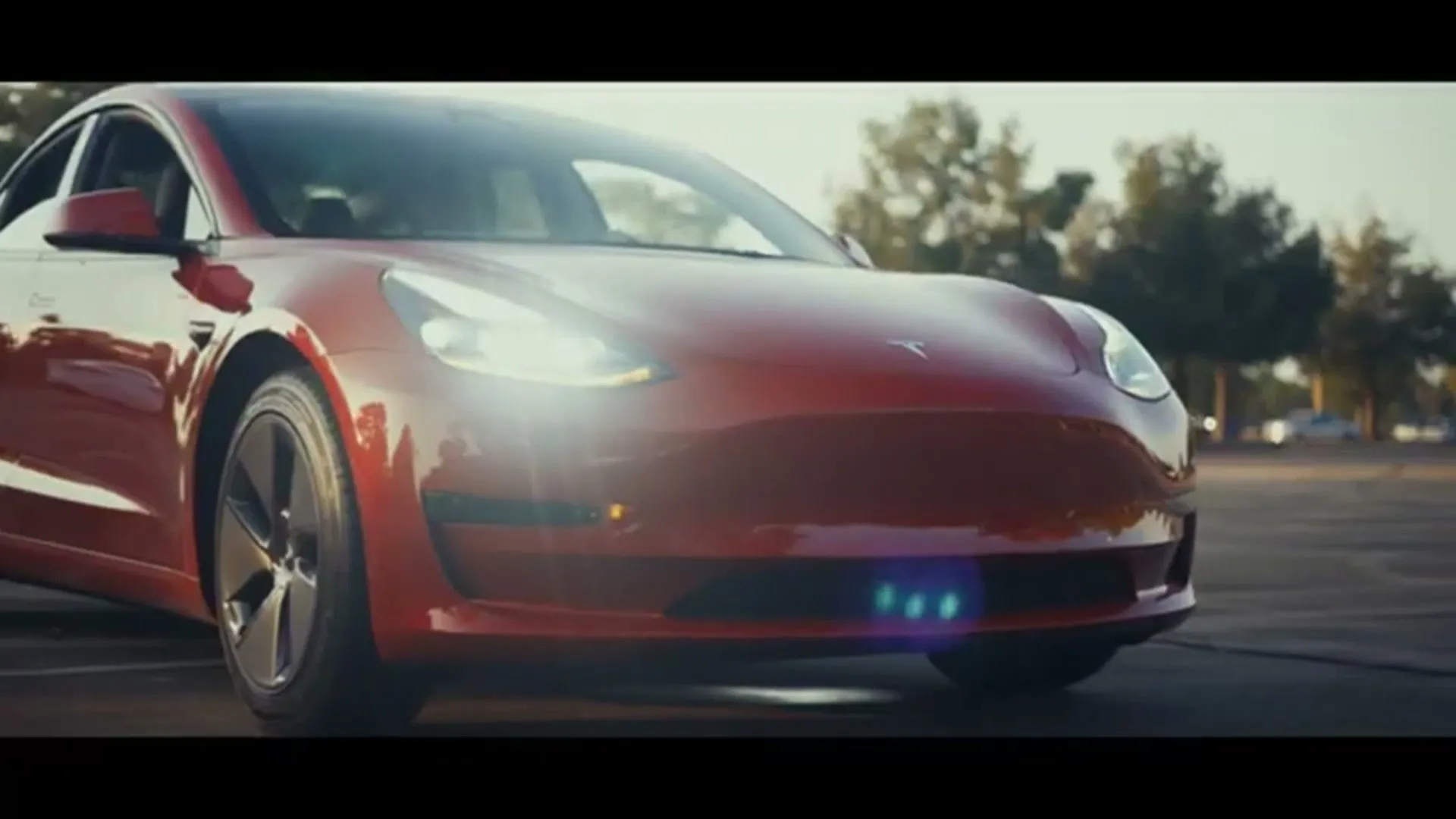 Figure 1: Visual detail and technical analysis corresponding to The Hidden Architecture: From Chassis to Electric Heart.
When we observe an electric car, its exterior design often conceals an internal architecture radically different from that of a combustion vehicle. A minor bump, which in a traditional car would only involve replacing a panel or a bumper, can compromise the integrity of vital structural components and high-voltage systems in an EV. The battery isn’t just an accessory; it’s an integral part of the chassis.
High-voltage battery packs are integrated directly into the vehicle’s floor, forming part of its structural rigidity and impact protection. This means that any body deformation in that area, however minimal, requires an exhaustive inspection of the battery pack. An apparently insignificant impact on the rear fender of a Tesla Model 3, for example, could have transferred forces directly to the battery’s anchor points or casing.
Engineers design these vehicles to protect the battery as the number one priority, but this comes at a repair cost. The battery casing, made of robust materials like extruded aluminum or high-strength steel, is not easily repairable. If this casing suffers a deformation that compromises its sealing or the internal stability of the cells, complete replacement of the pack is the only safe option, and we’re talking tens of thousands of dollars.
Impact sensors and battery management systems (BMS) are incredibly sophisticated. A seemingly minor bump can trigger internal safety alerts, demanding a thorough review. The safety protocol does not allow for shortcuts: if the BMS detects an anomaly or potential risk, the car could become inoperable until the system’s safety is certified, even if the battery appears externally intact.
Furthermore, the weight distribution and torsional rigidity of an electric car largely depend on the battery. A deficient repair could alter the vehicle’s dynamics, its passive safety, and its longevity. It’s not just a matter of functionality, but of how the car performs on the road and how it protects its occupants in future incidents.
High-voltage cables and connectors that power the motor and other subsystems are also vulnerable. An impact can damage the insulation or the connectors themselves, creating risks of short circuits or electrocution. The inspection and repair of these elements require not only specific tools but also highly qualified personnel with safety certifications to handle high-voltage systems.
The Modular vs. Integrated Design Dilemma: Unexpected Costs
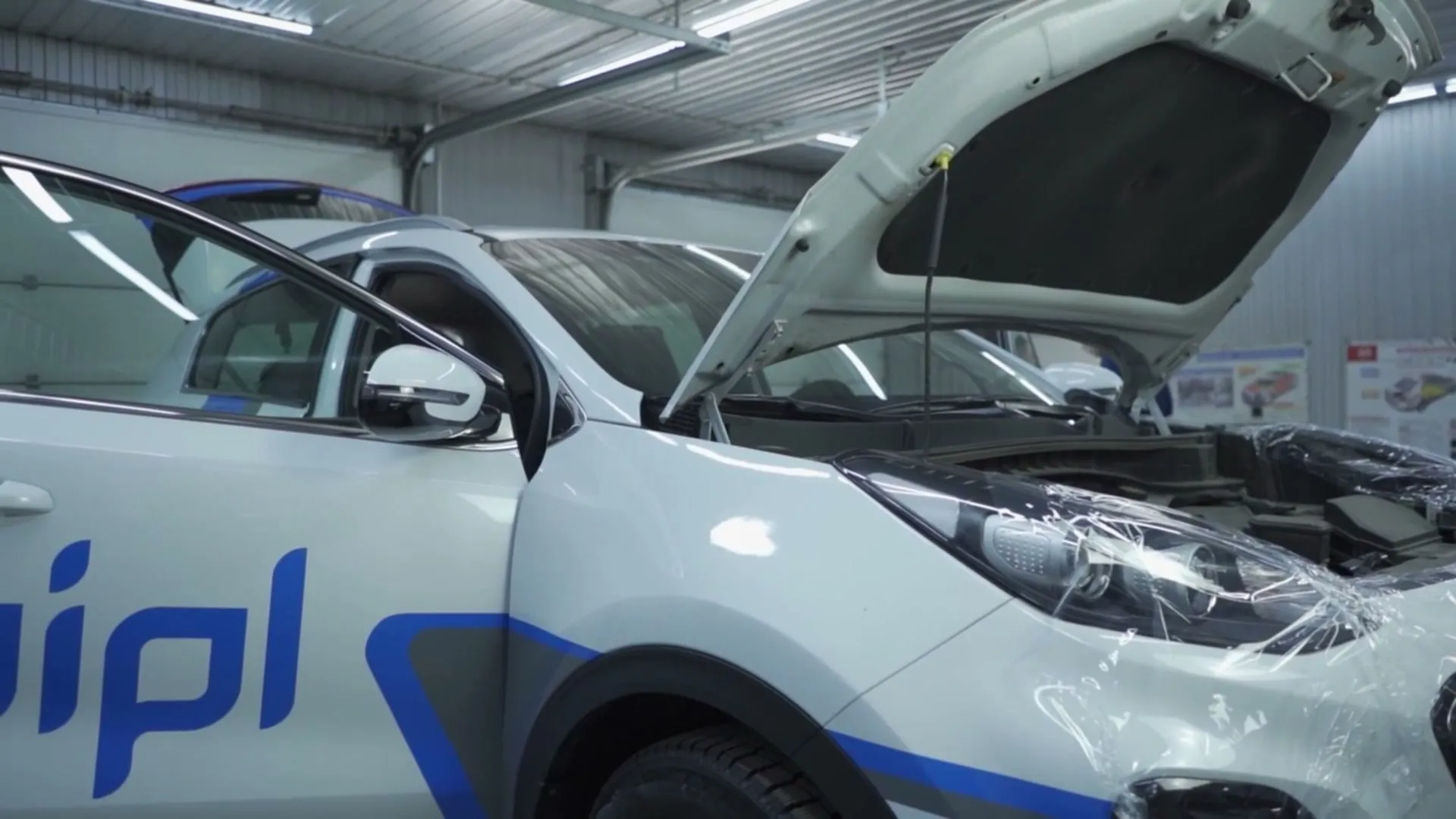 Figure 2: Visual detail and technical analysis corresponding to The Modular vs. Integrated Design Dilemma: Unexpected Costs.
The fundamental difference in repair costs lies in the design philosophy. Internal combustion cars, for decades, have evolved with a relatively modular structure. A bumper, a fender, or a door are parts that can be easily disassembled and replaced without affecting vital structural or mechanical components of the powertrain.
If this analysis is helping you protect your engine and your wallet, subscribe to the channel: every week we uncover the engineering and costs that brands don’t tell you about.
In an electric car, integration is the norm. The battery pack, for example, is not just energy; it’s a key structural component. In many models, its removal for a minor inspection or repair involves disassembling much of the suspension, cooling systems, and control electronics. A minor bump on the underside, which in a gasoline car would only damage a skid plate, can force the dismantling of the vehicle’s base in an EV.
The battery cooling systems, for instance, are complex circuits that run through the battery casing. Minor damage to that casing can compromise the sealing of the cooling system, leading to leaks of dielectric fluid or water/glycol. This, in turn, could cause cell overheating and an imminent risk of failure or fire, making pack replacement mandatory.
The manufacturing of electric cars benefits from this integration to achieve greater rigidity, lower weight, and better battery protection. However, this same integration becomes a nightmare for repair shops. Every component is interconnected in ways that didn’t exist before, exponentially increasing the complexity and time required to diagnose and repair, even seemingly trivial damages.
Handling these parts requires a level of specialization and safety that drives up labor costs. A traditional body shop technician is not qualified to work with high-voltage systems or to disassemble and reassemble a battery pack with its delicate thermal management and electronic systems. This leads us directly to the next point: the shortage of qualified personnel.
Battery Vulnerability and Inflexible Safety Protocols
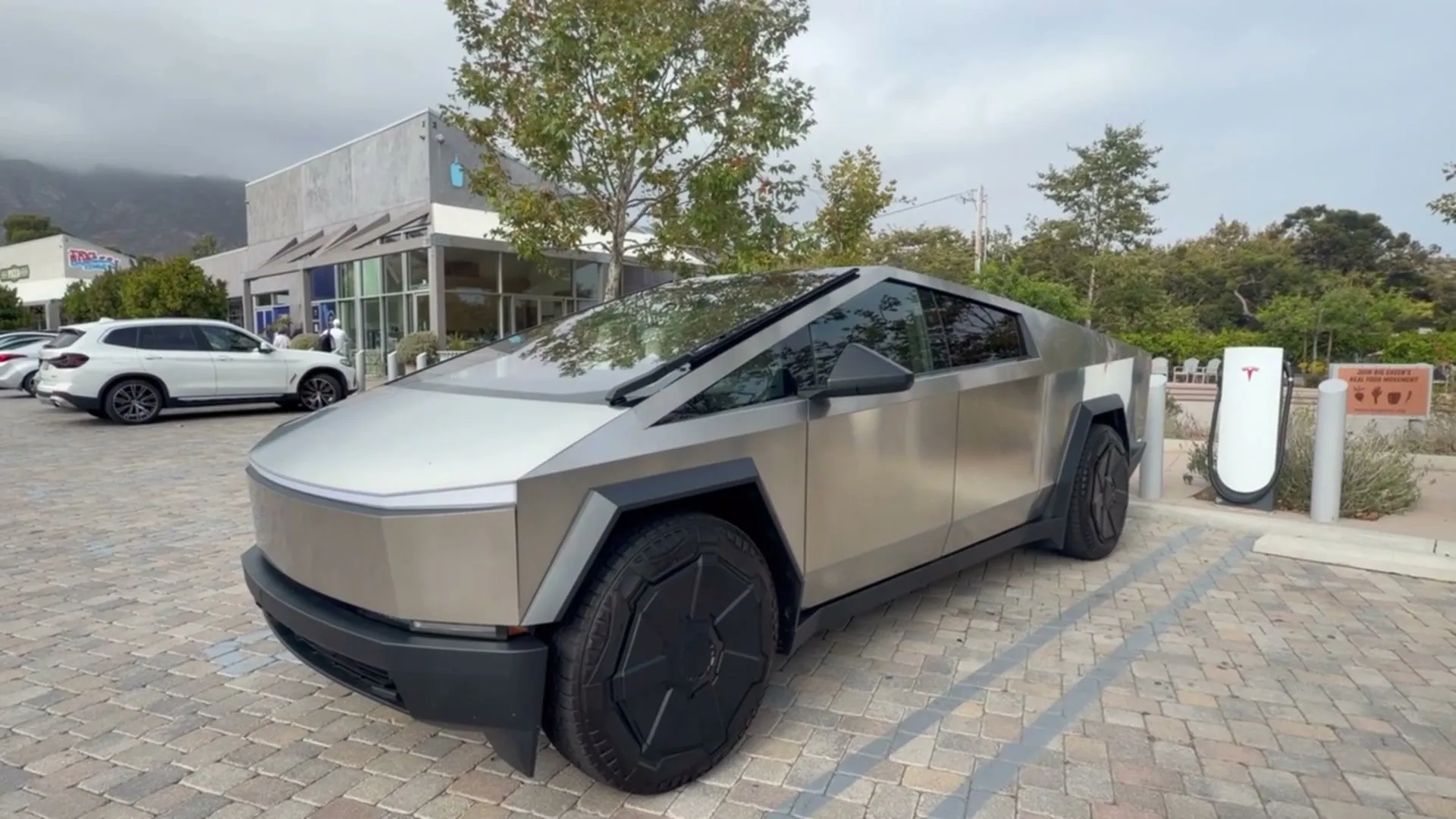 Figure 3: Visual detail and technical analysis corresponding to Battery Vulnerability and Inflexible Safety Protocols.
An electric car battery is not just a power source; it is the most expensive and critical component of the vehicle. Its vulnerability to impacts is a central concern for manufacturers, leading to extremely strict safety protocols for any damage, however minor it may seem.
A bump that barely scratches the paint on the exterior may have caused microfractures in the battery’s internal casing or, worse, slightly displaced some lithium-ion cells. These cells, if damaged, can enter a state of “thermal runaway,” an uncontrollable process that can lead to a fire. Therefore, a “zero tolerance” policy is the norm.
Even if the damage is invisible to the naked eye, brands require inspection with advanced diagnostic equipment, sometimes even the complete removal of the pack for a detailed internal review. This process is laborious, requires specialized tools, and a controlled environment, which directly translates into labor hours and workshop costs.
The weight and size of a battery pack also complicate its handling. It cannot simply be lifted with a conventional jack and workshop crane. Specific lifts, battery lifting platforms, and personal protective equipment for technicians are needed. A Tesla Model S battery pack, for example, can weigh over 500 kilograms and measure several meters long.
Safety protocols not only cover the risk of fire. They also include the risk of electrocution for technicians. Before any handling, it is mandatory to disconnect and isolate the high-voltage system, a process that requires specific training and time. There is no room for improvisation when working with hundreds of volts.
Furthermore, the storage and transport of damaged batteries are subject to strict regulations. A compromised battery is considered hazardous material and cannot simply be disposed of or transported like any other part. This adds a logistical and waste management cost that does not exist in the repair of a gasoline car.
Specialized Labor and State-of-the-Art Equipment
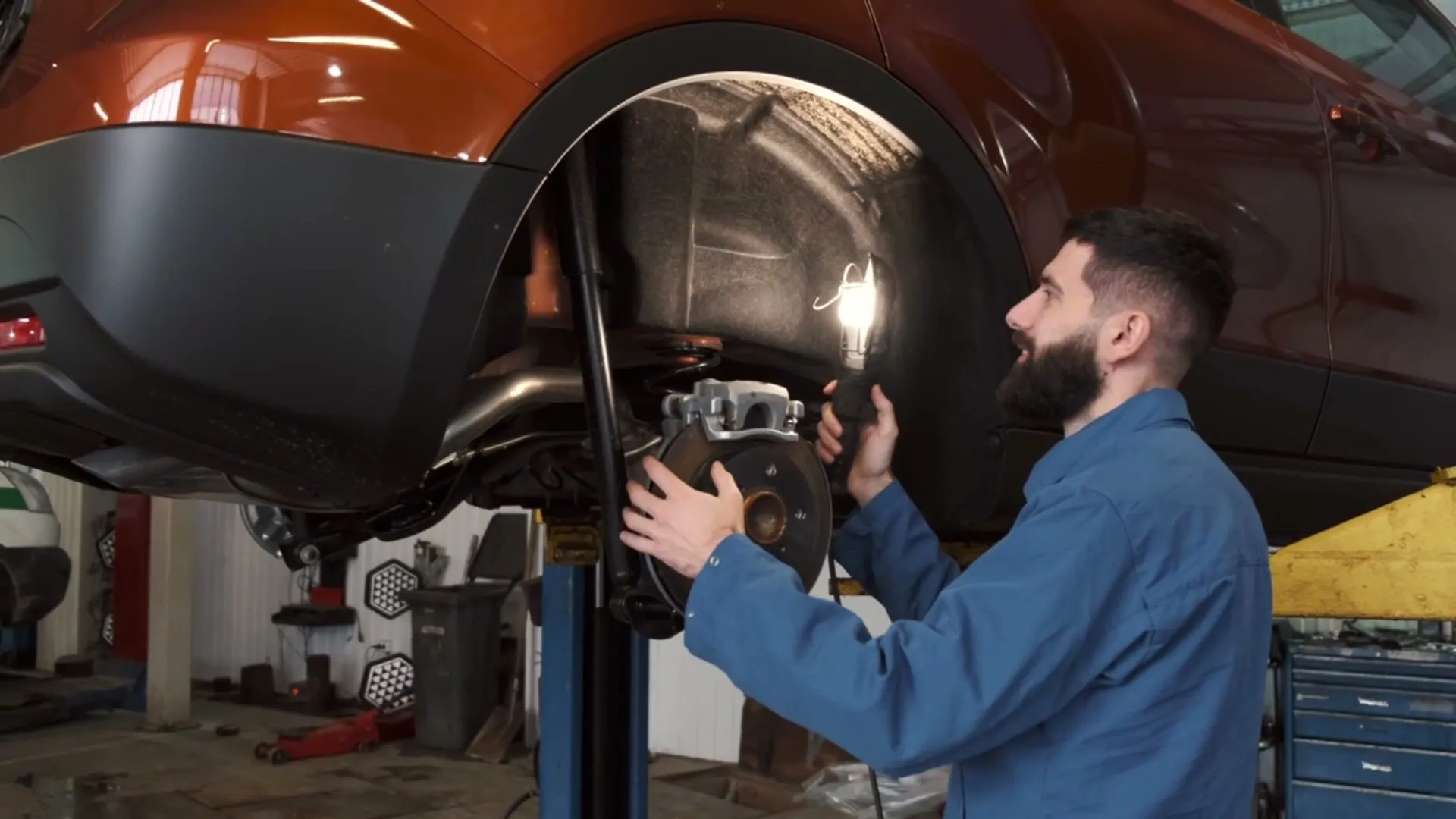 Figure 4: Visual detail and technical analysis corresponding to Specialized Labor and State-of-the-Art Equipment.
The shortage of qualified electric vehicle technicians is one of the main drivers of increased repair costs. Not every mechanic can work with a high-voltage system. Specific training in electrical safety, battery diagnostics, thermal management systems, and complex electronics is required.
Workshops that can repair electric cars must invest in state-of-the-art equipment. This includes multi-brand diagnostic scanners with specific licenses for each manufacturer, insulated tools for high-voltage work, lifts capable of supporting the weight of battery packs, and specialized charging stations. This investment is passed on to the final repair price.
Some battery repairs, if they don’t require complete pack replacement, may involve replacing individual modules or cells. This is precision work that must be performed in a controlled environment, often similar to a “clean room,” to prevent cell contamination and ensure safety. Very few workshops are equipped for this.
Service manuals for electric cars are extensive and complex. Procedures for disassembling and reassembling components, especially those related to the battery and high-voltage systems, must be followed to the letter. This requires more diagnostic and execution time, which, again, increases labor costs.
Many electric cars incorporate a large number of sensors and cameras for their advanced driver-assistance systems (ADAS). A minor bump on the bumper or a fender may require recalibration of these sensors, such as radars or ultrasonic sensors. This process needs specific calibration equipment and trained personnel to ensure that ADAS systems function correctly after repair.
Finally, repair validation. It’s not enough to replace a part; it’s necessary to verify that the entire electrical and safety system works as it should. This may involve battery charge and discharge tests, verification of insulation integrity, and functional tests of all systems. These additional steps are crucial but also contribute to the final bill.
The Impact on Total Cost of Ownership and Resale Value
The high repair costs of electric cars have a direct and significant impact on the Total Cost of Ownership (TCO) and resale value. Insurers, aware of these risks, adjust their premiums upwards. A minor bump that in a gasoline car might be a simple dent, in an EV can be an “economic total loss” if the cost of battery repair exceeds the vehicle’s value.
For the consumer, this translates into more expensive insurance premiums and, in many cases, faster depreciation if the vehicle’s history shows significant battery damage. An electric car that has suffered a significant impact on its battery pack, even if professionally repaired, might be perceived as higher risk in the used car market.
Resale value is a growing concern. Second-hand vehicle buyers are increasingly aware of the risks associated with damaged or repaired batteries. An inspection report showing a major battery repair could deter potential buyers or drastically reduce the selling price.
Transparency in maintenance history is crucial. Modern electric cars record every event, every system error, and every repair in detail. Any informed buyer will want to review this history. A record of a battery replacement or a major impact repair will be a determining factor in negotiation.
The availability of specialized workshops also plays a role. In rural areas or those with less infrastructure, repairing an electric car can involve transporting the vehicle over long distances, adding considerable logistical costs. This geographical limitation exacerbates the problem of costs and repair times.
Even the recycling or “second life” of damaged batteries is a costly and complex process. If a battery pack is declared irreparable, its dismantling and environmental management add another layer of cost, which often falls on the owner or the insurer.
Verdict and Strategic Lesson
The reality is that electric car technology, while fascinating and promising, comes with a learning curve and maintenance and repair costs that we are still assimilating. A minor bump in an electric car is not just an aesthetic problem; it’s an engineering, safety, and financial challenge. The integration of the battery into the vehicle’s structure, the complexity of its management systems, and the need for highly specialized labor and equipment are the true reasons behind bills that triple those of a gasoline car.
The strategic lesson for owners and future buyers is clear: the initial acquisition cost of an electric car is only part of the equation. The Total Cost of Ownership (TCO) must include serious consideration of insurance and potential repair costs. Brands are working on more modular battery designs and structures that allow for simpler repairs, but we are still far from the simplicity of a combustion car.
To mitigate risks, it is essential to consider comprehensive insurance with specific battery coverage, and to be extremely cautious when driving to avoid any type of impact, however minimal. Prevention is, more than ever, the best tool to protect your investment.
The future of electric mobility is bright, but it demands a deep understanding of its economic implications. It’s not just about zero emissions; it’s about a new era in automotive engineering that redefines the meaning of “repair” and “cost of ownership.” Know your vehicle, understand its vulnerabilities, and plan accordingly.
🚗 Legal Notice & Automotive Technical Disclosure (Automotive Disclaimer):
The content presented in this article is strictly for informational, educational, and automotive technical analysis purposes. Autonomy data, energy consumption, power, charging times, and mechanical specifications correspond to official homologation sheets and tests under standardized conditions. Actual performance may vary depending on driving habits, topography, ambient temperature, and vehicle condition. Always consult the manufacturer’s manual and homologated technical sheets for your market.
📺 Watch the Video Analysis
If you prefer to consume this content in audiovisual format with dynamic tests, telemetry, and technical analysis, we invite you to watch our video on YouTube:
-> ▶️ Watch the full video on YouTube
¿Prefieres el análisis en formato audiovisual?
Pruebas a fondo, análisis técnico de ingeniería automotriz y comparativas sin concesiones cada semana.

About Julian Torres
Julian es un entusiasta de la movilidad y de la tecnología, vive la pasión por el campo y disfruta de la paz y la tranquilidad. Antes de ésto, fue Senior Engineer en IBM.
Artículos Relacionados
Ver todos ↗
Kia EV3: The Phantom Range and Hidden Flaws Nobody Tells You About 👻🔋
The Kia EV3 promises an astonishing 600-kilometer WLTP range, but this video uncovers the uncomfortable truth on the road. We dive deep into why its real-world range often falls short, revealing a significant drop of over 30% at highway speeds.

E-fuels: Savior or Ruin? The REAL Cost and Technical Deception 💸
E-fuels are hailed as the ultimate solution to prolong the life of the internal combustion engine, promising a neutral carbon footprint. But is this ecological utopia an imminent reality or a costly economic and technical trap? In this deep dive, we unravel...