

Kia EV3: The €35,000 EV Set to Retire the Diesel SUV? 🤯🔌
Originally published by Criteria Motor. A comprehensive and structured analysis for in-depth reading.
Kia EV3: The Accessible Electric Car Finally Poised to Retire Mass-Market Diesel SUVs?
The accessible diesel SUV market is crumbling. With an estimated price of €35,000 and 600 kilometers of range, the Kia EV3 isn’t just another EV; it’s the silver bullet poised to retire mass-market diesels. We analyze whether its engineering lives up to the challenge.
The Silent Threat to the Classic Diesel
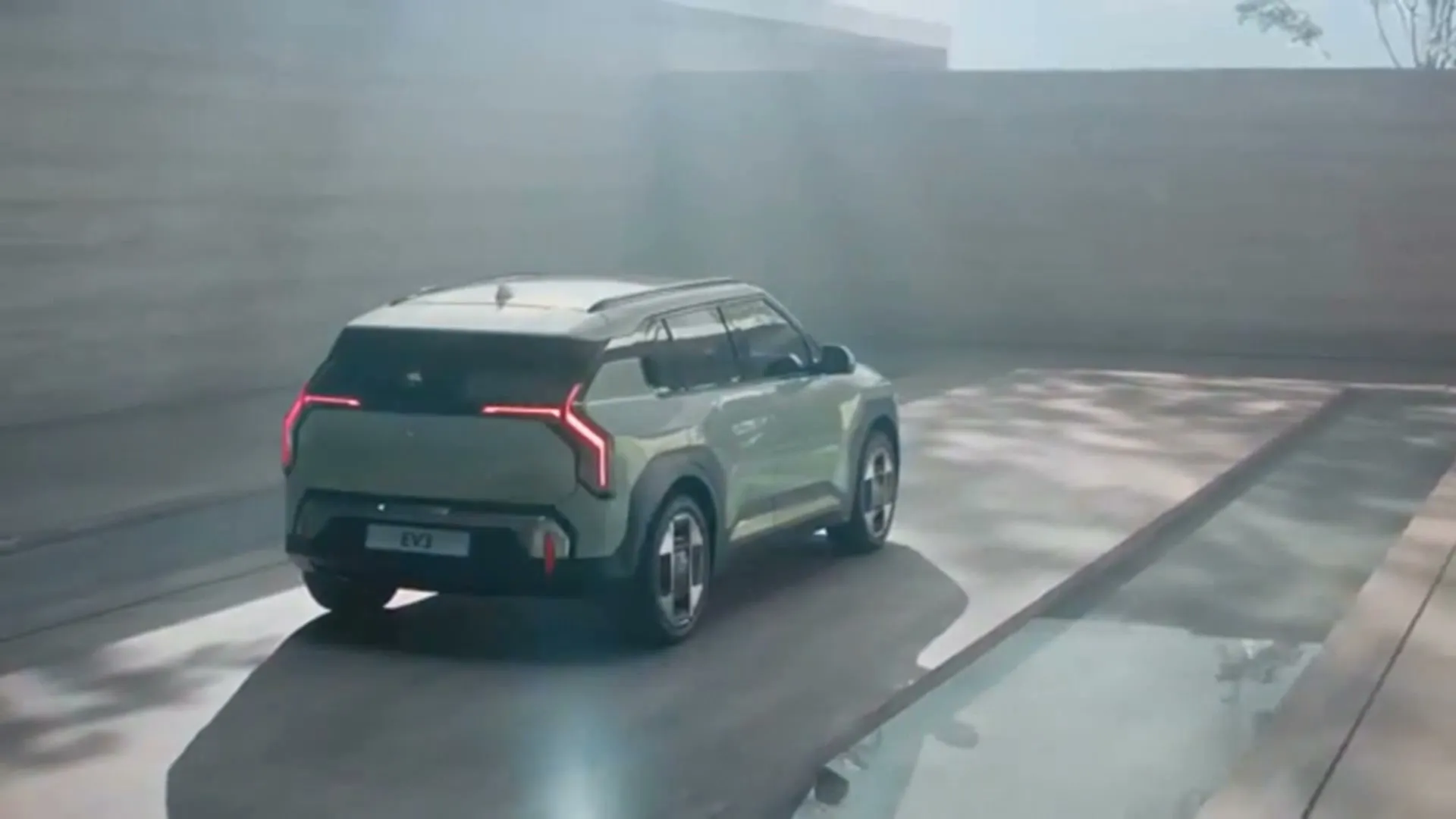 Figure 1: Visual detail and technical analysis corresponding to The Silent Threat to the Classic Diesel.
For decades, the diesel SUV dominated the family vehicle segment due to its combination of range, torque, and perceived low operating costs. Models like the Nissan Qashqai, Hyundai Tucson, or Peugeot 3008, in their diesel versions, became the default choice for millions of European drivers. However, increasing regulatory pressure, uncertainty about the future of diesel, and the technological evolution of electric vehicles are rewriting the rules of the game.
The Kia EV3 emerges in this scenario as a formidable contender, not just for being electric, but for directly addressing the entry barriers that have hindered mass adoption: price and range. Its strategic positioning aims to directly appeal to the buyer who currently drives a diesel SUV and, until now, saw no viable electric alternative in economic and practical terms.
The key to its proposition lies in offering a complete SUV experience, with the space and versatility families demand, but with the efficiency and tax advantages of an electric vehicle. This isn’t just a marketing ploy; it’s an engineering challenge and a cost optimization effort in every component, from the battery to the interior design.
Kia is not a minor player in the electric landscape. With the EV6 and EV9, it has demonstrated its ability to build competitive and technologically advanced electric vehicles. The EV3 inherits much of that knowledge but adapts it to a more compact format and, crucially, to a much more attractive price point for sales volume, aiming to democratize the technology.
The challenge for the EV3 is not just to be a good electric car, but to be good enough to justify the switch for those who still view diesel as a practical and economical solution. This involves exceeding expectations in areas such as real-world range, charging times, and total cost of ownership – aspects where diesel has traditionally held an advantage.
If this analysis is helping you protect your engine and your wallet, subscribe to the channel: every week we uncover the engineering and costs that brands don’t tell you about.
E-GMP Architecture and the Battery Battle
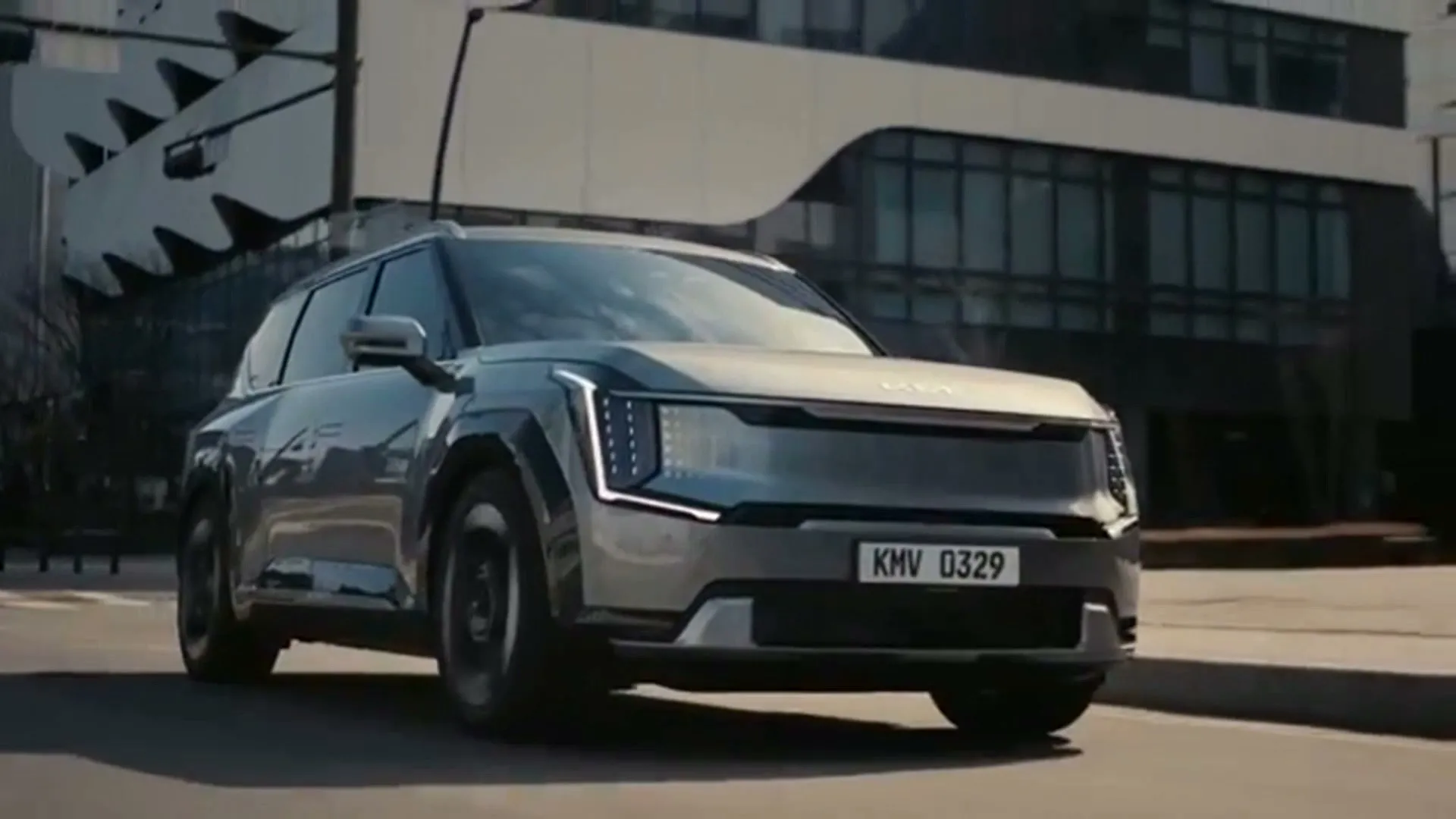 Figure 2: Visual detail and technical analysis corresponding to E-GMP Architecture and the Battery Battle.
Hyundai-Kia’s E-GMP architecture is the cornerstone of the EV3. This modular platform is not a mere adaptation; it was designed from the ground up for electric vehicles, allowing for optimal integration of the battery, motors, and charging systems. This translates into a low center of gravity, better weight distribution, and, fundamentally, greater flexibility to scale battery capacity.
The EV3 will be offered with two battery options: a 58.3 kWh and an 81.4 kWh. The latter is what enables the impressive range of up to 600 kilometers under the WLTP cycle. It’s crucial to understand that it’s not just the battery size that matters, but also the chemistry and thermal management. Kia uses NMC (nickel, manganese, cobalt) chemistry, which offers high energy density.
Advanced thermal management is vital for battery longevity and performance, especially in extreme climates. The EV3 incorporates a preconditioning system that optimizes battery temperature before fast charging, ensuring it occurs at the maximum possible power. This is a significant advantage over many competitors that still lack this functionality in similar price segments.
Thanks to the E-GMP platform, the EV3 is compatible with 400-volt architecture, allowing for rapid charging times. Although it doesn’t reach the 800 volts of its larger siblings, it’s estimated to be able to charge from 10% to 80% in approximately 30 minutes with a high-power charger. This capability is fundamental for convenience and for mitigating “range anxiety,” a key factor for diesel drivers.
The electric motor, a single front-axle-mounted powertrain, will offer 204 PS (150 kW) of power and 283 Nm of torque. These figures are more than adequate to agilely move a compact SUV and outperform most equivalent diesels in pure performance, especially in acceleration from a standstill. Instant torque delivery is an inherent characteristic of EVs that diesel cannot match.
The efficiency of the powertrain system, combined with aerodynamic optimization and intelligent energy management, are the pillars that enable the EV3 to offer such competitive range. It’s not just about raw battery capacity, but how every kilowatt-hour translates into real-world kilometers, an aspect where Kia has demonstrated its expertise in previous models.
Efficiency and Aerodynamics: Beyond Raw Power
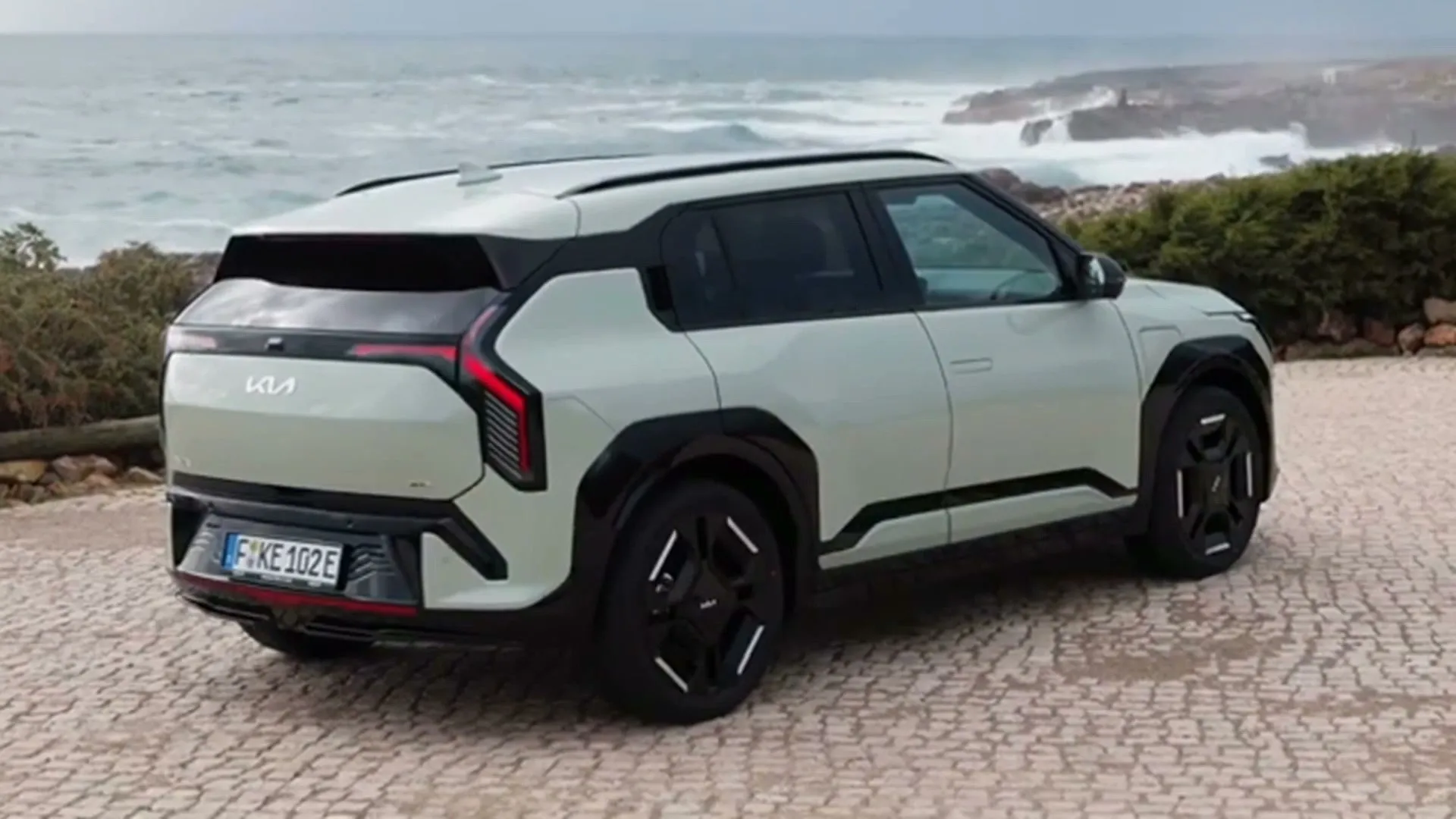 Figure 3: Visual detail and technical analysis corresponding to Efficiency and Aerodynamics: Beyond Raw Power.
Aerodynamics is a critical factor for the efficiency of an electric vehicle, even more so than for an internal combustion one, as battery energy is finite and every watt-hour counts. The Kia EV3 has been meticulously sculpted to achieve a competitive drag coefficient (Cd). Its exterior design is not merely aesthetic; every line and surface serves a function in reducing air friction.
Elements such as aerodynamic wheels, underbody fairings, and active air ducts in the front contribute significantly to this goal. These elements redirect airflow to minimize drag and, in some cases, to cool key components like the brakes or the battery pack. It’s a dance between form and function that optimizes every journey.
But efficiency isn’t limited to the exterior. Inside the cabin, the climate control system, one of the largest energy consumers, has been optimized with high-efficiency heat pumps. These pumps are far more energy-efficient than traditional resistance heating systems, especially in cold climates, where EV range typically suffers.
The EV3’s electric motor, though powerful, has also been designed to operate with maximum efficiency across a wide range of speeds. Permanent magnet synchronous motor technology offers an optimal balance between performance and consumption, ensuring that battery energy is converted into motion with minimal possible losses.
Energy recovery systems, such as regenerative braking, are equally crucial. The EV3 allows for adjusting the intensity of regeneration, even with the “i-Pedal” function that enables single-pedal driving, maximizing battery recharging during decelerations and braking. This functionality, in addition to saving energy, reduces wear on conventional brakes.
Collectively, aerodynamic optimization, powertrain efficiency, and intelligent energy management are the pillars that enable the Kia EV3 not only to achieve a 600-kilometer range but also to maintain it consistently in real-world usage conditions. It is this holistic approach that positions it as a serious rival to diesels, which cannot compete with the intrinsic energy efficiency of an EV.
The Interior: Technology, Modularity, and Cost Efficiency
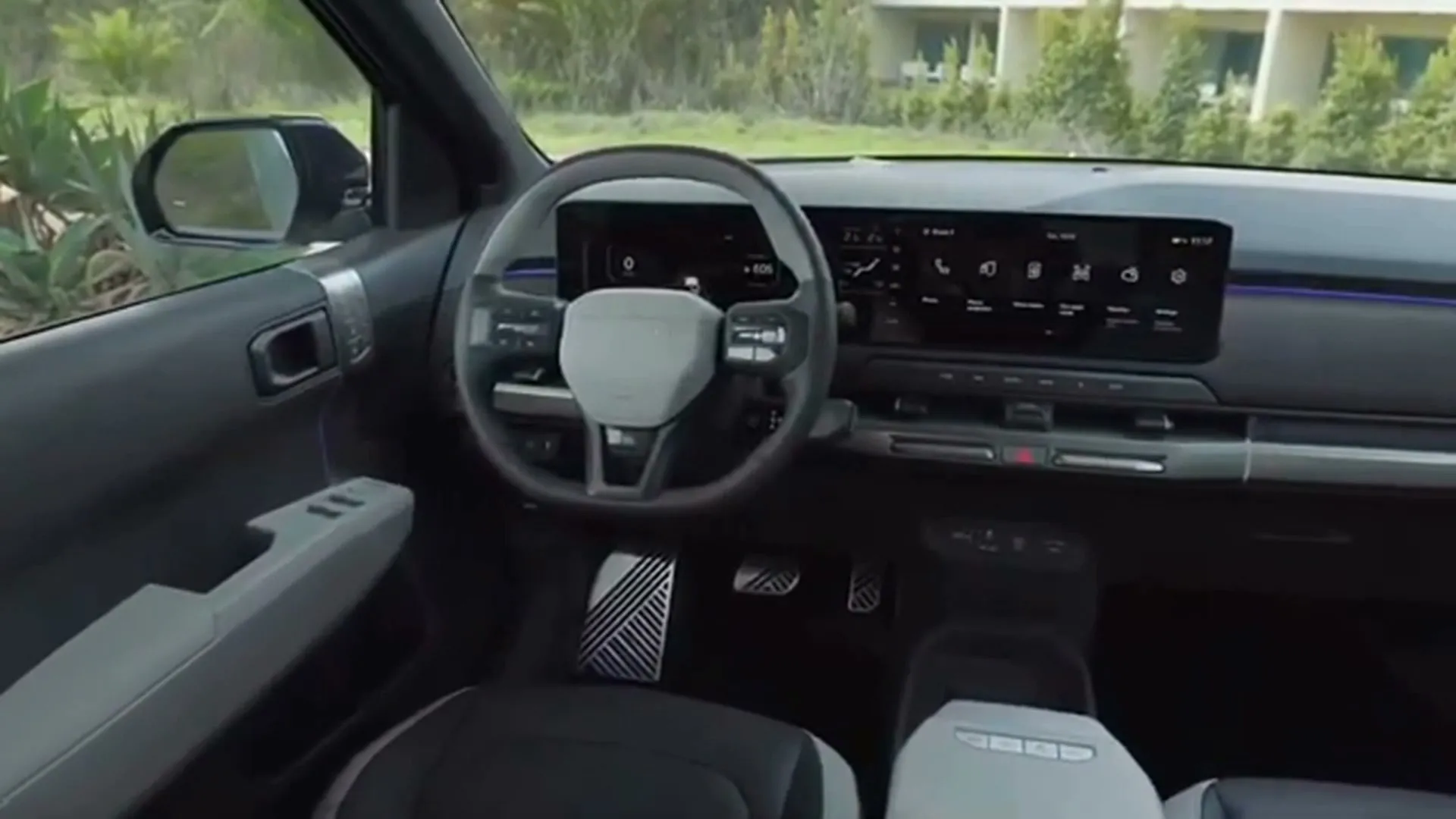 Figure 4: Visual detail and technical analysis corresponding to The Interior: Technology, Modularity, and Cost Efficiency.
The Kia EV3’s interior is a testament to how the brand has sought a balance between technology, modularity, and cost containment, without sacrificing perceived quality. The cabin feels spacious, partly thanks to the E-GMP platform which allows for a flat floor. The design is minimalist, centered around two 12.3-inch screens that form a continuous digital panel for the instrument cluster and infotainment system.
The user interface has been carefully designed to be intuitive, with modern graphics and quick access to frequently used functions. While digitalization is evident, Kia has retained physical buttons for critical functions like climate control and volume, a smart decision that enhances safety and usability. This is key for drivers transitioning from more traditional cars.
One of the most innovative elements is the sliding “table” between the front seats. This detail, which might seem minor, reveals a design philosophy focused on versatility and maximizing space. It can serve as an armrest, a surface for working with a laptop, or even for eating, transforming the cabin into a more functional space during charging breaks.
The materials used in the interior reflect Kia’s commitment to sustainability and cost containment. Recycled plastics and biomaterials are employed on various surfaces, which is not only good for the environment but also allows the brand to offer a more competitive price. Perceived quality, however, remains high, with pleasant-to-touch textures and meticulous finishes.
The trunk, with 460 liters of capacity (expandable to 1,250 liters with the rear seats folded down), is comparable to many compact internal combustion SUVs, making it very practical for family use. Additionally, it features a 25-liter “frunk” or front trunk, ideal for storing charging cables or small items, a practical addition of the electric platform.
In summary, the EV3’s interior is not just a space for travel; it’s an environment designed for modern life, with intelligent solutions that enhance the user experience. The combination of accessible technology, smart modularity, and sustainable materials is fundamental to its value proposition and to convince diesel buyers that the electric future does not entail sacrifices in comfort or functionality.
The Verdict: Is the EV3 the Final Blow to the Diesel SUV?
The Kia EV3 presents itself as a disruptor in the compact SUV market. Its value proposition is clear: offering competitive range (up to 600 kilometers), fast charging capability, and a complete technological package, all at an estimated price around €35,000 for entry-level versions, directly targeting best-selling diesel SUVs.
The engineering behind the EV3, based on the E-GMP platform, confers inherent advantages in efficiency, interior space, and driving dynamics that diesel vehicles, by their very nature, cannot match. Instant torque delivery, absence of vibrations, and silent operation are attributes that significantly enhance the driving experience – aspects that diesel drivers will appreciate once they experience them.
However, the EV3’s success will not solely depend on its technical specifications. Public charging infrastructure, though expanding, remains a challenge in many regions. Public perception of real-world range under varying climatic conditions and the long-term durability of the battery will be decisive factors for its mass adoption.
The total cost of ownership (TCO) will be the most powerful argument. Although the initial purchase price might be slightly higher than an equivalent diesel (before incentives), lower fuel costs (electricity versus diesel), reduced maintenance, and tax advantages will tip the scales in favor of the EV3 in the medium to long term. This is the message Kia must communicate most strongly.
The Kia EV3 is not just another electric car; it’s a statement of intent. It represents the maturity of electric technology in an accessible and versatile format. Its market arrival, with such a strong proposition in range, technology, and price, will undoubtedly accelerate the transition and place immense pressure on manufacturers still relying on diesel for their volume models.
Strategic Insight: The Kia EV3 will not only retire many diesel SUVs due to its efficiency or price but because it has successfully replicated and improved the functionality and versatility consumers expected from them, eliminating range and cost barriers. It is the convergence of optimized engineering and an aggressive market strategy that makes it the definitive executioner of mass-market diesel.
🚗 Legal Notice & Automotive Technical Disclosure (Automotive Disclaimer):
The content presented in this article is for strictly informational, educational, and automotive technical analysis purposes. Data on range, energy consumption, power, charging times, and mechanical specifications correspond to official homologation sheets and tests under standardized conditions. Actual performance may vary depending on driving habits, topography, ambient temperature, and vehicle condition. Always consult the manufacturer’s manual and the homologated technical specifications for your market.
📺 Watch the Video Analysis
If you prefer to consume this content in audiovisual format with dynamic tests, telemetry, and technical analysis, we invite you to watch our video on YouTube:
-> ▶️ Watch full video on YouTube
¿Prefieres el análisis en formato audiovisual?
Pruebas a fondo, análisis técnico de ingeniería automotriz y comparativas sin concesiones cada semana.

About Julian Torres
Julian es un entusiasta de la movilidad y de la tecnología, vive la pasión por el campo y disfruta de la paz y la tranquilidad. Antes de ésto, fue Senior Engineer en IBM.
Artículos Relacionados
Ver todos ↗
Kia EV3: The Phantom Range and Hidden Flaws Nobody Tells You About 👻🔋
The Kia EV3 promises an astonishing 600-kilometer WLTP range, but this video uncovers the uncomfortable truth on the road. We dive deep into why its real-world range often falls short, revealing a significant drop of over 30% at highway speeds.

Volvo EX30: Swedish Stronghold or Chinese Giant? 🇨🇳🛡️
The Volvo EX30 emerges as a major promise in electric mobility, a compact SUV blending renowned Swedish safety with technological ambition. Yet, beneath its attractive minimalist skin lies a more complex reality: its DNA is interwoven with a global architecture, raising questions about its core identity.