

E-Fuels: Salvation or Costly Illusion for Your Combustion Engine? ⛽📉
Originally published by Criteria Motor. Comprehensive and structured analysis for in-depth reading.
E-Fuels: The True Salvation of Combustion Engines or a Costly Illusion?
The automotive industry stands at an existential crossroads. While electrification advances by leaps and bounds, an alternative emerges, promising to square the circle: keeping our beloved internal combustion engines alive, but with a neutral environmental impact. E-fuels, or synthetic fuels, are presented as the silver bullet, the ultimate salvation. But is this vision a viable future for preventive mechanics, engine longevity, and total cost of ownership, or merely an expensive chimera designed to prolong a technological agony?
The promise is seductive: a fuel that, in theory, closes the carbon cycle, allowing our current vehicles to continue running without ecological remorse. However, for engineers and long-term-oriented owners, the key question is not just “does it work,” but “how it works” under the hood, what it demands of our mechanical systems, and, crucially, how much that indulgence will cost us in the long run.
Modern Alchemy: What Are E-Fuels and Their Energy Footprint?
 Figure 1: Visual detail and technical analysis corresponding to Modern Alchemy: What Are E-Fuels and Their Energy Footprint?
E-fuels are, in essence, liquid fuels produced from the capture of carbon dioxide (CO2) from the air or industrial sources, combined with green hydrogen generated through water electrolysis, using exclusively renewable energy. This hydrogen and CO2 are subsequently synthesized into liquid hydrocarbons through processes such as Fischer-Tropsch, mimicking the composition of conventional gasoline or diesel.
The theory behind their “carbon neutrality” lies in the fact that the CO2 emitted during combustion is the same as that captured for its production, thus closing the cycle. But this equation ignores the enormous amount of energy required for each stage of the process: from hydrogen production to the final synthesis. We are talking about an energy intensity that defies the logic of efficiency in a world with finite resources.
At a molecular level, e-fuels can be designed to be purer, with fewer impurities and aromatic compounds than fossil fuels. This, in theory, could reduce soot and deposit formation in the engine. However, this extreme purity also presents challenges, as fossil fuels contain natural additives and lubricants that have been vital for the longevity of certain internal components.
Overall energy efficiency is an Achilles’ heel. While an electric vehicle can utilize up to 80% of the grid’s energy, a combustion engine running on e-fuels barely achieves 20-30% of the total initial renewable energy used to produce that fuel. The rest is lost in multiple transformations, raising serious doubts about its large-scale viability and its true cost per kilometer traveled.
The infrastructure needed for the massive production of e-fuels, including giant electrolysis plants and carbon capture systems, is colossal. It requires multi-billion dollar investments and a renewable energy availability that is currently limited. The current scale of production is negligible compared to global fuel demand, leading us to question how quickly they could become widespread.
This imbalance between invested energy and useful energy obtained directly translates into an exponentially higher pump price. The most optimistic projections place the cost of e-fuels several times higher than that of current gasoline, even without taxes. This factor is critical for TCO and accessibility, making “salvation” prohibitively expensive for most consumers.
The Heart of the Engine: Compatibility and Wear at a Microscopic Level
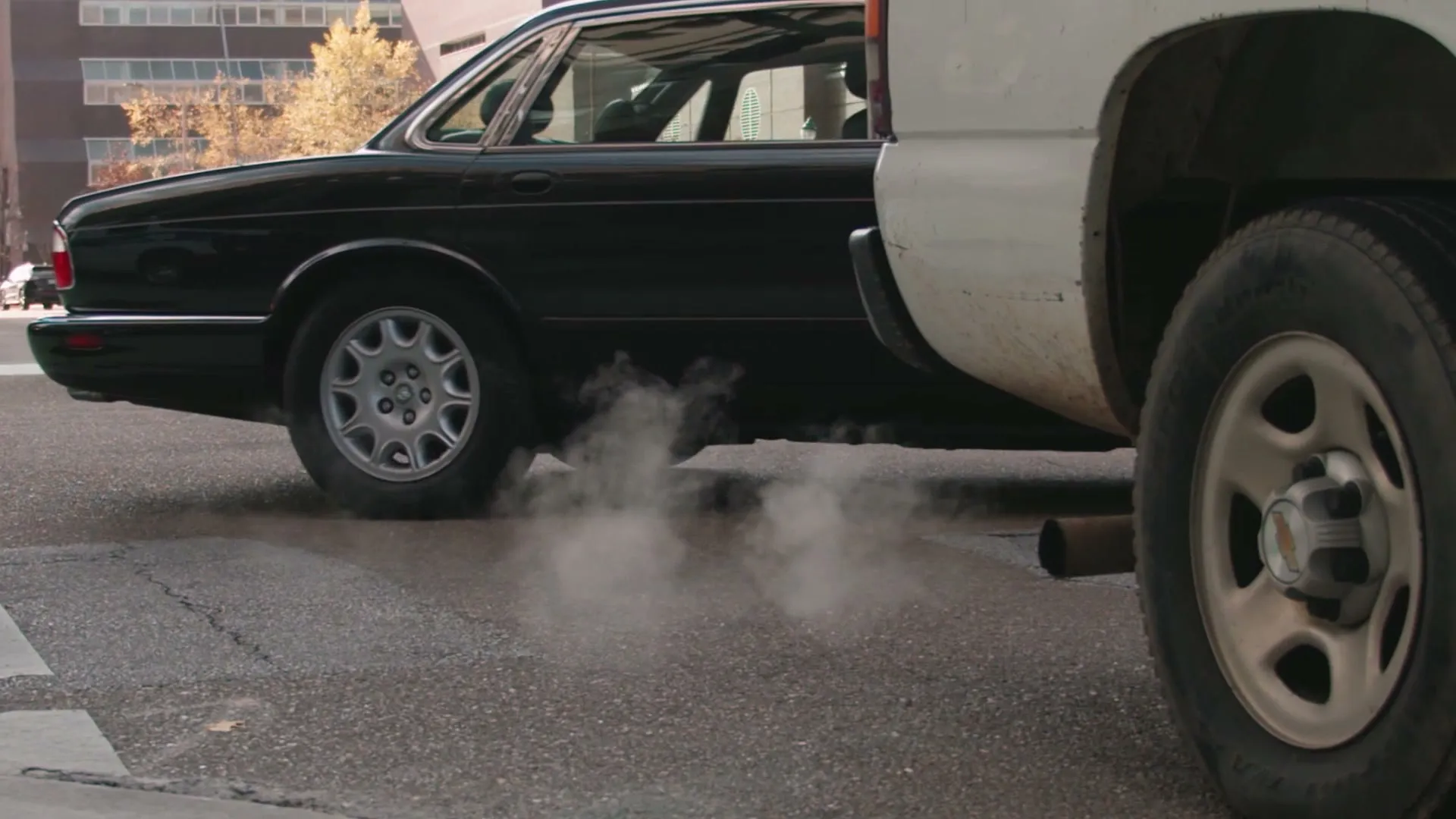 Figure 2: Visual detail and technical analysis corresponding to The Heart of the Engine: Compatibility and Wear at a Microscopic Level.
The combustion of e-fuels can be cleaner, reducing particulate emissions and nitrogen oxides. However, their chemical composition, often with lower energy density and different volatility properties, can influence the injection and atomization process. A suboptimal spray pattern could lead to incomplete combustion or the formation of unwanted deposits in the long term.
Traditional combustion engine materials, such as gaskets, seals, and rubber or polymer hoses, are designed to withstand exposure to specific fossil fuels. E-fuels, having a different composition (e.g., higher methanol or ethanol content in some formulations), could interact differently with these materials, accelerating their degradation, cracking, or swelling.
The inherent lubricity of fuels is crucial for components such as fuel pumps and injectors, which rely on this property to reduce friction and wear. If an e-fuel lacks adequate lubricity, specific additives might be necessary, adding complexity and additional cost to preventive maintenance, affecting the lifespan of these critical components.
High-pressure direct injection systems, operating at thousands of bars, are particularly sensitive to fuel properties. Any variation in the viscosity, density, or lubricity of e-fuels could compromise the lifespan of these precision components, whose replacement is extremely costly. Engine Control Unit (ECU) recalibration might also be necessary to optimize combustion.
The potential “purity” of e-fuels, if not managed correctly, could lead to an unexpected side effect: the cleaning of old deposits in the fuel tank and lines of an older vehicle, mobilizing these particles and clogging filters or injectors. While this might seem beneficial, aggressive and uncontrolled cleaning can cause catastrophic failures in the short term.
Oxygen sensors, catalytic converters, and particulate filters (in diesels) are calibrated for the emissions and byproducts of fossil fuel combustion. E-fuels, with a different exhaust gas composition, could affect the long-term effectiveness of these after-treatment systems, generating erroneous readings and potentially requiring premature replacement, a considerable expense.
TCO Under the Microscope: Production, Distribution, and Price at the Pump
 Figure 3: Visual detail and technical analysis corresponding to TCO Under the Microscope: Production, Distribution, and Price at the Pump.
The cost of e-fuel production is, to date, its biggest obstacle. Green hydrogen generation and carbon capture are capital and energy-intensive processes. It is estimated that, under current conditions, producing one liter of e-fuel can require between 10 and 20 kWh of renewable electricity. Comparatively, an electric vehicle travels 5-7 km with 1 kWh.
The current price of e-fuels is prohibitive. Pilot projects report production costs ranging from 2 to 5 euros per liter, before taxes and distribution. This means that at the pump, the price could easily exceed 8-10 euros per liter, making the cost per kilometer several times higher than gasoline or diesel, and orders of magnitude greater than electricity.
Although e-fuels can use existing distribution infrastructure (gas stations, tanks), their production is not carried out where demand is. E-fuel plants must be located where renewable energy is cheapest and most abundant (deserts, windy areas). This implies an additional cost of transport and storage that adds to the TCO, making the supply chain more complex.
The initial investment to build the production capacity needed to meet a significant fraction of current fuel demand is astronomical. Billions of euros would have to be allocated to the construction of new plants, and that investment, logically, would be passed on to the final price of the fuel, directly affecting the consumer’s pocket and the vehicle’s TCO.
This high cost projects e-fuels as a niche solution. They could find their place in aviation, heavy maritime transport, or as fuel for luxury and classic vehicles, where cost per kilometer is secondary to engine preservation. However, as a mass solution for the global automotive fleet, their economic viability is, for now, an illusion.
In the TCO equation, e-fuels compete not only with fossil fuels but also with electricity. Charging an electric vehicle, even with high tariffs, remains substantially more economical per kilometer traveled. This places e-fuels at an insurmountable competitive disadvantage for the average driver seeking maximum economic efficiency.
Longevity and Preventive Maintenance: A New Paradigm for the Workshop?
 Figure 4: Visual detail and technical analysis corresponding to Longevity and Preventive Maintenance: A New Paradigm for the Workshop?
The adoption of e-fuels would not simply be “fill and go.” Engine manufacturers would have to conduct extensive durability and compatibility tests. This could lead to the need for specific materials for gaskets, seals, and internal coatings, as well as optimization of injection and ignition systems for the unique properties of these fuels.
To ensure engine longevity, preventive maintenance intervals might vary. More frequent oil changes might be required, as e-fuels could affect the chemical composition of the lubricant differently than fossil fuels. Also, the use of specific additives to improve lubricity or prevent corrosion could become standard practice.
Combustion patterns altered by e-fuels could influence the lifespan of components such as spark plugs, ignition coils, and oxygen sensors. Cleaner combustion might extend the life of some, but a different exhaust gas composition could wear others unexpectedly. Workshop diagnostics would have to adapt to these new parameters.
Workshops would need specific diagnostic and calibration equipment for e-fuels. Engine management systems (ECUs) would have to be reprogrammed to optimize the air-fuel mixture and ignition timing. This implies a learning curve for mechanics and an investment in tools and software, which could increase service costs.
For older or classic vehicles, the transition to e-fuels could be even more complex. While the idea is that they are “drop-in,” mechanical reality might require the replacement of certain incompatible components or the constant use of protective additives. This raises the TCO of preserving these vehicles to a level that only the most dedicated enthusiasts could afford.
Uncertainty about long-term compatibility with e-fuels could affect the resale value of internal combustion vehicles. A car that cannot use e-fuels without costly modifications or that requires prohibitive maintenance would see its market value plummet, directly impacting the owner’s total investment.
Verdict and Strategic Lesson
E-fuels represent a feat of chemical engineering and an attractive promise for those who wish to keep the combustion engine alive. However, our analysis of preventive mechanics, longevity, and total cost of ownership reveals a complex and, for now, discouraging reality for the mass market. The energy efficiency of their production is alarmingly low, and the resulting cost at the pump makes them economically unsustainable for the average driver.
While e-fuel combustion might be cleaner, long-term compatibility with the vast and heterogeneous existing engine fleet is an unknown full of risks. The potential accelerated wear of key components, the need for specific additives, and possible changes in preventive maintenance schedules, increase the TCO and complicate the vehicle’s longevity equation.
The verdict is clear: e-fuels, in their current state, are not the universal salvation for combustion engines. They are, at best, a niche solution for very specific applications, such as racing vehicles, specialized aviation, or the preservation of classic cars by enthusiasts with an unlimited budget. Their role as a massive replacement for fossil fuels is a costly illusion, a strategic distraction that diverts resources and attention from more efficient and scalable solutions.
The strategic lesson is that the true path to decarbonizing terrestrial transport lies, overwhelmingly, in electrification. Investing massively in electric vehicle infrastructure and technology offers superior energy efficiency, lower long-term TCO, and a more direct trajectory towards sustainability. E-fuels, for now, are a fascinating scientific experiment, but not the answer to the global mobility dilemma.
🚗 Automotive Disclaimer & Technical Disclosure:
The content presented in this article is for strictly informational, educational, and automotive technical analysis purposes. Autonomy data, energy consumption, power, charging times, and mechanical specifications correspond to official homologation sheets and tests under standardized conditions. Actual performance may vary depending on driving habits, topography, ambient temperature, and vehicle condition. Always consult the manufacturer’s manual and approved technical specifications for your market.
📺 Watch the video analysis
If you prefer to consume this content in audiovisual format with dynamic tests, telemetry, and technical analysis, we invite you to watch our video on YouTube:
-> ▶️ Watch full video on YouTube
¿Prefieres el análisis en formato audiovisual?
Pruebas a fondo, análisis técnico de ingeniería automotriz y comparativas sin concesiones cada semana.

About Julian Torres
Julian es un entusiasta de la movilidad y de la tecnología, vive la pasión por el campo y disfruta de la paz y la tranquilidad. Antes de ésto, fue Senior Engineer en IBM.
Artículos Relacionados
Ver todos ↗
E-fuels: Savior or Ruin? The REAL Cost and Technical Deception 💸
E-fuels are hailed as the ultimate solution to prolong the life of the internal combustion engine, promising a neutral carbon footprint. But is this ecological utopia an imminent reality or a costly economic and technical trap? In this deep dive, we unravel...

Your Battery is Stealing €1,000: The Hidden Depreciation Secret 💸🔋
Under your vehicle's hood, a silent enemy is destroying its value: the battery. In this Criteria Motor technical analysis, we unveil the harsh reality of hidden depreciation caused by a poorly maintained battery. We compare robust LFP...