

BYD Seagull: The Electric Black Swan Poised to Disrupt Urban Combustion Dominance
Originally published by Criteria Motor. Comprehensive and structured analysis for in-depth reading.
Internal combustion has reigned in our cities for over a century, a symbiosis of convenience and pollution. But today, a silent, almost imperceptible disruptor emerges from the Far East, challenging not only the hegemony of the internal combustion engine but the very economic logic of urban mobility. We are talking about the BYD Seagull, a vehicle that, at first glance, appears to be a modest utility car, but whose engineering conceals the power of a black swan.
Is this small electric hatchback the harbinger of the end of the urban combustion era? This is not just another electric car; it is a technological manifesto and a direct challenge to the infrastructure and mindset that have defined global urban transport. Its existence poses a fundamental dilemma: can BYD’s cost efficiency and intelligent engineering rewrite the rules of the game, even where Western automotive giants have faltered?
Engineering Disruption: e-Platform 3.0 and Blade Battery
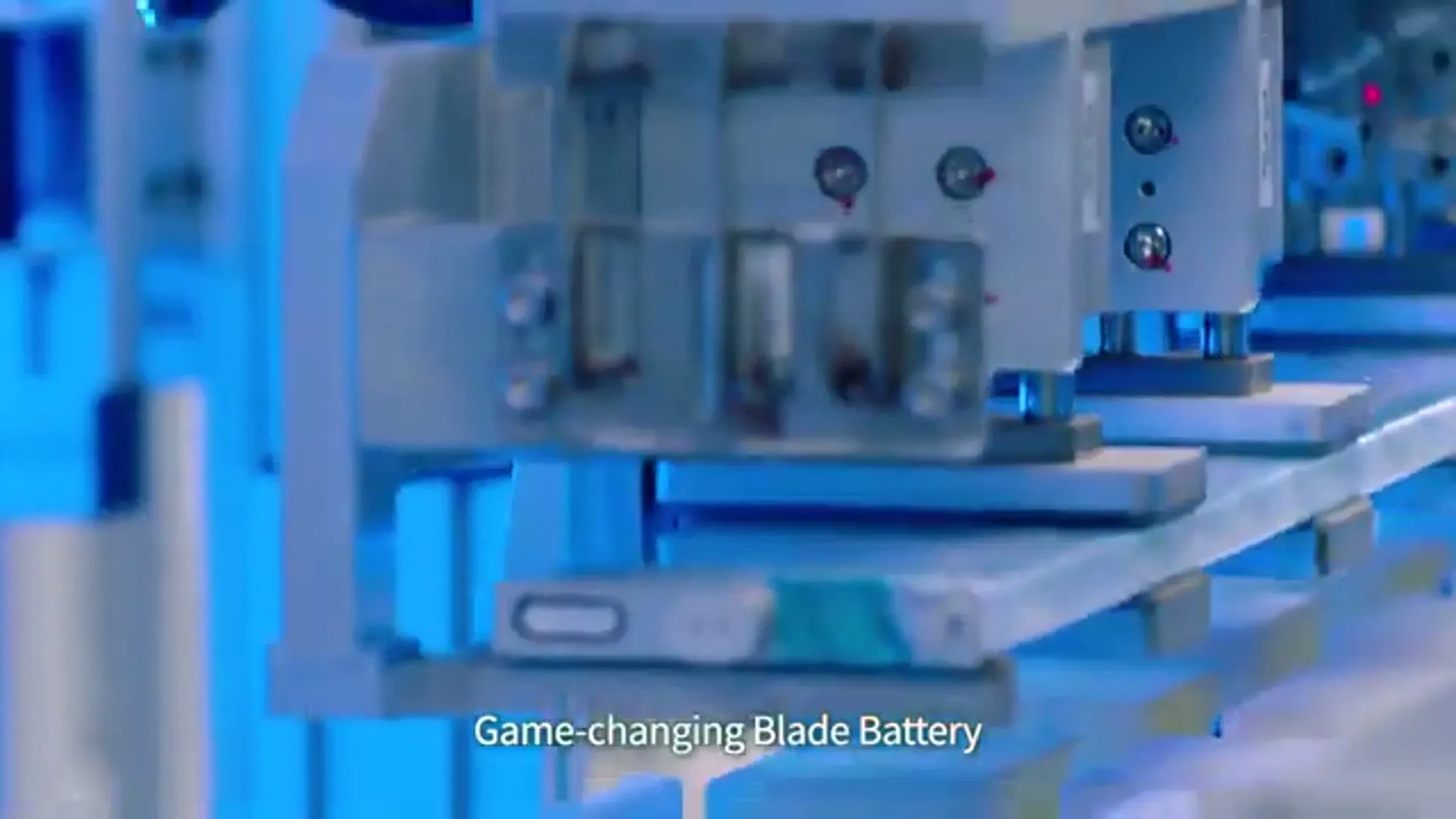 Figure 1: Visual detail and technical analysis corresponding to Engineering Disruption – e-Platform 3.0 and Blade Battery.
The core of the Seagull’s disruptive proposition lies not in its size, but in the sophistication of its underlying architecture: BYD’s e-Platform 3.0, designed from the ground up for electric vehicles. This modular platform is not just a base; it is an integrated ecosystem that optimizes every component for electrification, minimizing space, weight, and, crucially, production cost.
At its heart, we find BYD’s acclaimed Blade Battery, an innovation that transcends simple chemistry. Unlike the nickel-manganese-cobalt (NMC) batteries that dominate the premium market, Blade batteries are made of lithium iron phosphate (LFP). Their elongated design and the absence of intermediate modules allow for direct “cell-to-pack” (CTP) integration, increasing volumetric energy density by 50% compared to conventional LFP packs.
This configuration is not only more space-efficient; it is also inherently safer. Nail penetration tests, a critical industry standard, demonstrate the Blade’s superior thermal and structural integrity, mitigating the risk of thermal runaway. For an urban vehicle, where impacts are more frequent and safety is paramount, this robustness is a key differentiator.
The e-Platform 3.0 also integrates a highly compact “8-in-1” electric powertrain. This system combines the electric motor, motor controller, reducer, on-board charger, DC-DC converter, power distribution unit, battery management system, and vehicle control unit into a single module. This consolidation reduces complexity, weight, and manufacturing cost.
The efficiency of this system is astonishing. The Seagull’s permanent magnet synchronous motor, with its 55 kW (74 hp) or 75 kW (101 hp) depending on the version, offers instant torque delivery, ideal for urban traffic. Its energy efficiency exceeds 89%, directly translating into greater range and lower energy losses during the driving cycle.
The standardization and modularity of the e-Platform 3.0 allow BYD to scale production massively and efficiently. This high-volume manufacturing capability, combined with BYD’s vertical integration (from lithium mining to final assembly), gives it an unprecedented cost advantage. It’s not just a car; it’s a product of a vertically integrated factory that controls its own supply chain.
Cost Methodology and Price Parity
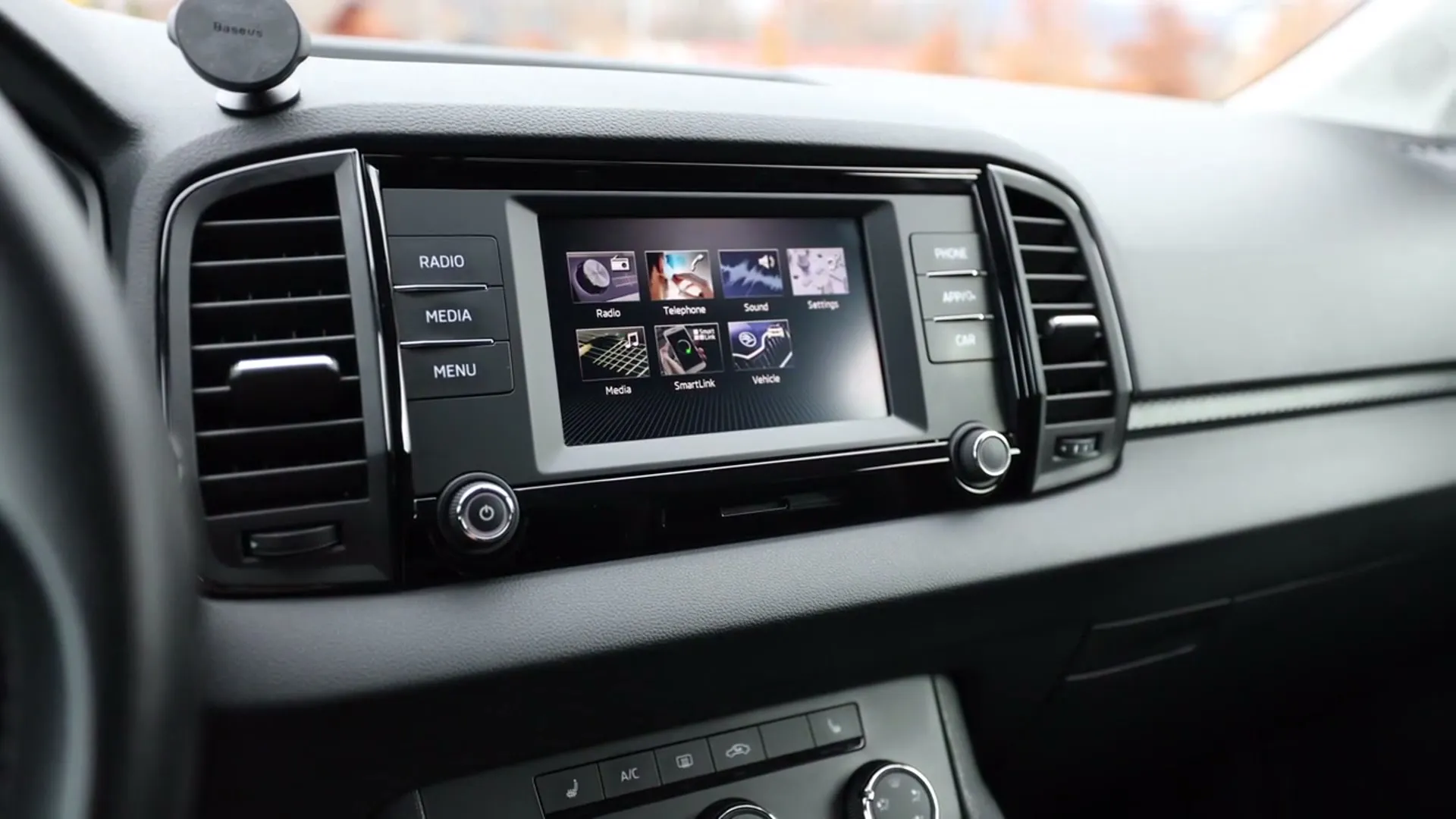 Figure 2: Visual detail and technical analysis corresponding to Cost Methodology and Price Parity.
The BYD Seagull not only competes on technology but redefines the economics of electric vehicles. With a starting price in China around $10,000, or even less in some basic configurations, this vehicle achieves price parity with many of its internal combustion counterparts, something that until now seemed unattainable for a quality EV.
How does BYD achieve this? The answer lies in a combination of strategic factors. First, LFP batteries are intrinsically cheaper than NMC batteries due to the absence of cobalt and nickel, which are more expensive and geopolitically sensitive minerals. BYD has mastered LFP production on a scale few can match, drastically reducing the cost per kWh.
Second, the aforementioned e-Platform 3.0 is not only energy-efficient but also assembly-efficient. Modularity and “cell-to-pack” design simplify the vehicle structure, reducing the number of parts and assembly times. This translates into lower labor and capital costs on the production line.
Vertical integration is the third pillar of this strategy. BYD not only manufactures cars; it produces its own batteries, semiconductors, electric motors, and even chassis. This total control over the supply chain eliminates third-party profit margins and protects the company from price fluctuations of critical components, giving it a structural cost advantage.
Beyond the purchase price, the Seagull’s operating costs are remarkably lower. Electricity is significantly cheaper than gasoline in most markets, and electric vehicles have fewer moving parts, drastically reducing maintenance needs. A comprehensive lifecycle analysis reveals substantial savings for the average urban owner.
This cost model represents an existential threat to traditional automakers. Accustomed to high margins on combustion vehicles and struggling to make their EV divisions profitable, the arrival of a competitor with such an optimized cost structure forces a complete re-evaluation of their strategies and, potentially, their business models.
Urban Performance and Realistic Range
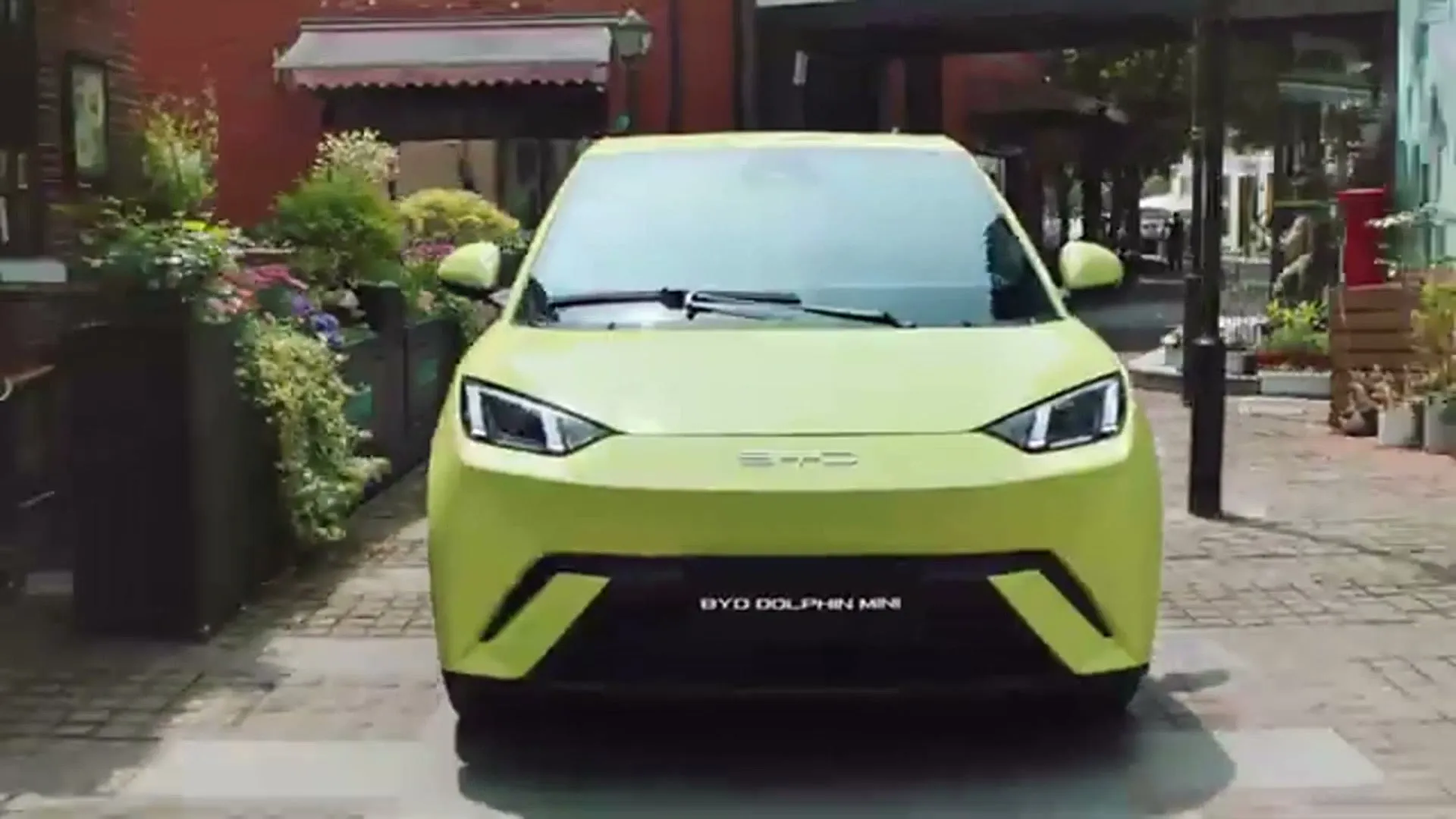 Figure 3: Visual detail and technical analysis corresponding to Urban Performance and Realistic Range.
The BYD Seagull is specifically designed for the urban environment. Its compact dimensions (3.78 meters long) make it ideal for city congestion, facilitating parking and maneuverability. But its performance goes beyond mere agility; it is calibrated for efficiency in the urban driving cycle.
Equipped with 30 kWh or 38 kWh batteries, the Seagull offers CLTC (Chinese Light-duty Vehicle Test Cycle) ranges of 305 km and 405 km respectively. While CLTC cycles are more optimistic than European WLTP or US EPA standards, we can estimate a real-world range of between 200 and 280 km in urban and suburban conditions, more than sufficient for most daily commutes.
Fast charging capability is another strong point. The Seagull can recharge from 30% to 80% in approximately 30 minutes using a DC charger, making it practical for quick stops or recharges during the workday. This speed minimizes “range anxiety,” a critical factor for the mass adoption of electric vehicles.
Despite its price point, the Seagull’s interior does not skimp on technology. A rotating 10.1-inch touchscreen (in higher versions) and a 7-inch digital instrument cluster offer a modern experience. Connectivity, navigation, and infotainment features are on par with vehicles in higher segments, enhancing the urban driving experience.
Aerodynamics, often underestimated in small vehicles, has been optimized in the Seagull to maximize efficiency. A polished exterior design and details such as flush door handles contribute to a low drag coefficient, reducing air resistance and, consequently, energy consumption, especially at highway speeds which, although not its primary habitat, are achievable.
In the urban environment, the instant acceleration of electric motors is a decisive advantage. The Seagull, with its immediate torque, offers agile and quick response, allowing it to move effortlessly in traffic and at traffic lights. This not only improves safety when merging but also makes driving more pleasant and less stressful in the city.
Global Market Impact and Automotive Geopolitics
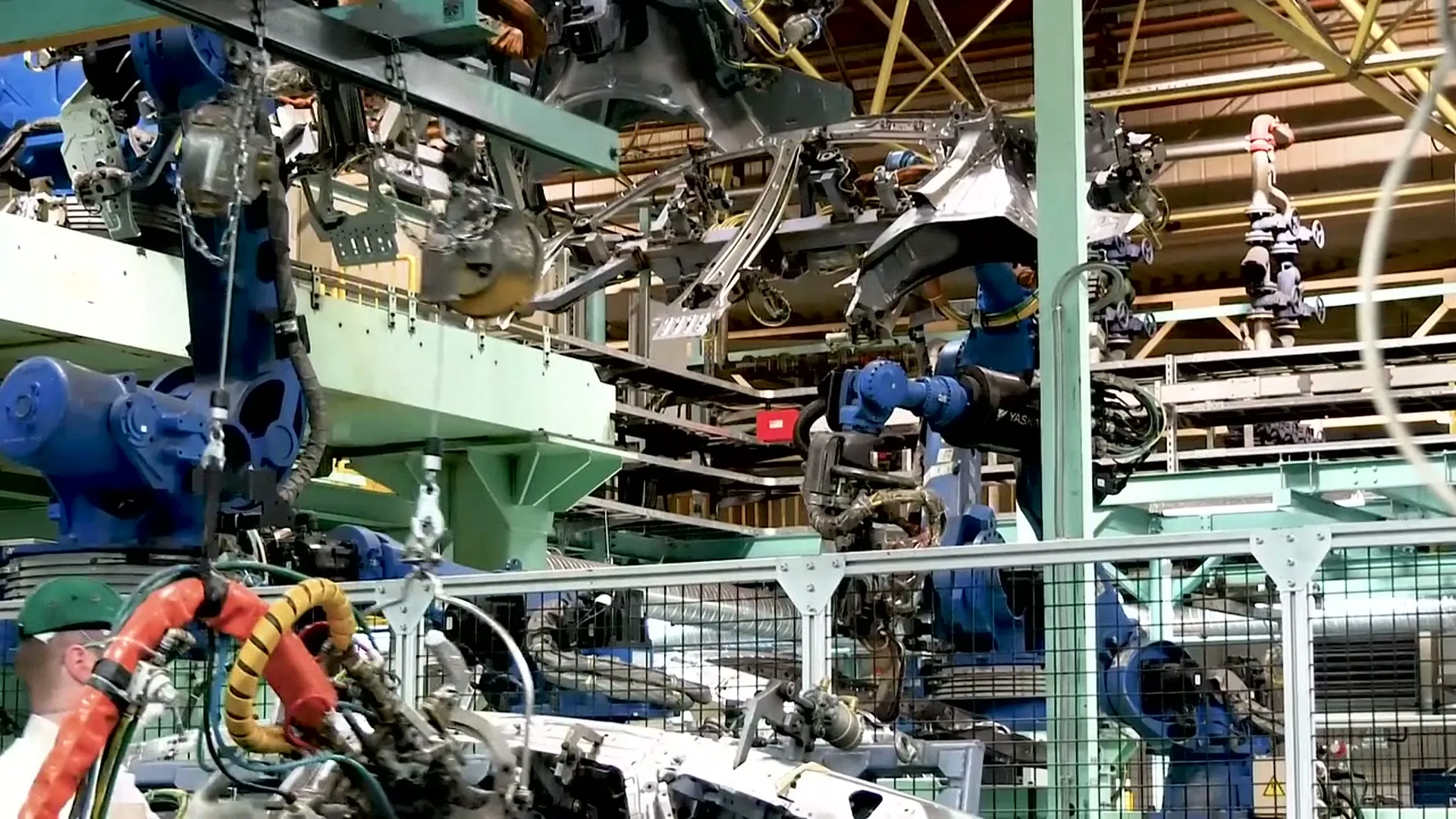 Figure 4: Visual detail and technical analysis corresponding to Global Market Impact and Automotive Geopolitics.
The BYD Seagull is not just a car for China; it is an ambassador of BYD’s capability to dominate the global market. Its launch in emerging markets and its potential arrival in Europe or America, even with tariffs and regulatory barriers, would redefine competition in the entry-level segment and place immense pressure on traditional manufacturers.
For European and American manufacturers, the Seagull represents a strategic dilemma. Developing a profitable urban EV at that price, with the same technology and cost control, is a monumental challenge that could take years. Meanwhile, BYD could capture a crucial market share in the volume segment, eroding the customer base of established brands.
The Chinese market has been a laboratory for BYD, where it has perfected its pricing and production strategy. The Seagull’s success in China, where it fiercely competes with other low-cost EVs, is a proof of concept. Its export, even with price adjustments, would still be an unparalleled value proposition for many international consumers.
BYD’s vertical integration is not just a cost advantage; it is a geopolitical advantage. In a world where supply chains are increasingly vulnerable to political tensions and disruptions, BYD’s self-sufficiency in key components gives it a resilience that few competitors can match. This minimizes the risk of shortages and price increases.
BYD’s ambition is global. The company is not only exporting vehicles but is investing in factories outside China, such as in Brazil, Hungary, and Thailand. This localization strategy seeks to mitigate tariff risks and trade barriers, in addition to bringing production closer to consumer markets, reducing logistical costs.
Regulatory pressure on CO2 emissions is a tailwind for vehicles like the Seagull. As regulations tighten in Europe and other regions, internal combustion vehicle manufacturers face increasing costs to comply. A low-cost, zero-emission EV becomes an attractive solution, both for consumers and for governments seeking to decarbonize urban transport.
Verdict and Strategic Imperative
The BYD Seagull is not merely a new model on the market; it is a turning point. Its emergence, with its combination of advanced technology, unprecedented cost efficiency, and city-focused design, marks the beginning of the end for the hegemony of the internal combustion vehicle in the urban segment. It will not be an instant collapse, but a progressive and relentless erosion.
The verdict is clear: the BYD Seagull is the catalyst that democratizes electric mobility. It has demonstrated that it is possible to build a high-quality, safe, and functional EV at an accessible price for the masses, demystifying the idea that electric cars are a luxury. Its impact will first be felt in emerging markets, but its ripple effect will reach every corner of the planet.
The strategic lesson for the global automotive industry is twofold. First, vertical integration and mastery of battery technology, especially LFP, are now imperatives for competitiveness. BYD has set a new standard for supply chain efficiency that Western manufacturers must emulate or risk being left behind.
Second, focusing on total cost of ownership, not just the purchase price, will be key to mass adoption. The Seagull is not only cheap to acquire but also to maintain and operate. This comprehensive value proposition resonates deeply with budget-conscious urban consumers, sealing the fate of many combustion engines in the city.
The BYD Seagull is more than a car; it is a statement of intent. It is tangible proof that the electric era is not a distant future, but a present, accessible, and superior reality for urban mobility. The urban combustion era has met its most formidable rival, and its twilight is now a matter of time.
🚗 Legal Disclaimer & Automotive Technical Disclosure:
The content presented in this article is for informational, educational, and automotive technical analysis purposes only. Data on range, energy consumption, power, charging times, and mechanical specifications correspond to official homologation sheets and tests under standardized conditions. Actual performance may vary depending on driving habits, topography, ambient temperature, and vehicle condition. Always consult the manufacturer’s manual and approved technical specifications for your market.
📺 Watch the Video Analysis
If you prefer to consume this content in an audiovisual format featuring dynamic tests, telemetry, and technical analysis, we invite you to watch our video on YouTube:
-> ▶️ Watch the full video on YouTube
¿Prefieres el análisis en formato audiovisual?
Pruebas a fondo, análisis técnico de ingeniería automotriz y comparativas sin concesiones cada semana.

About Julian Torres
Julian es un entusiasta de la movilidad y de la tecnología, vive la pasión por el campo y disfruta de la paz y la tranquilidad. Antes de ésto, fue Senior Engineer en IBM.
Artículos Relacionados
Ver todos ↗
Tesla LFP Batteries: The Ultimate Smart Buy or Silent Degradation?
Detailed analysis of Tesla LFP batteries: are they the ultimate smart purchase or do they conceal silent degradation? Find out on criteria-motor.

BYD Dolphin: The AFFORDABLE EV That Bankrupts You With Insurance? 📉
The BYD Dolphin has entered the European market promising an affordable, compact electric car, challenging the traditional high cost of zero-emission vehicles. However, its attractive entry price conceals a controversial reality: the co